Damen delivers CSOV 9020 TSS Cruiser to Ta San Sha...
7 minutes ago

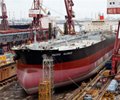

Maersk, the world’s second-largest shipping company by capacity (total amount of cargo and vessels), received proposals from major shipyards in Korea and China for new ships worth $2.8 billion (approximately 3.8794 trillion won). Price competitiveness is stronger in China, while the quality and compliance with delivery schedules are strengths of Korean shipyards.
According to the shipbuilding industry on the 8th, Maersk received proposals from major domestic shipyards including HD Hyundai Heavy Industries, Hanwha Ocean, and Samsung Heavy Industries for the construction of 12 dual-fuel container vessels with a capacity of 18,000 TEU (one TEU equals one 20-foot container) earlier this month.
Maersk confirmed the prices and possible delivery times for contracts for the construction of 8 confirmed vessels and an option contract for 4 vessels, as well as 6 confirmed vessels and an option contract for 6 vessels, and received similar proposals from Chinese shipyards.
For the dual-fuel container vessels with a capacity of 18,000 TEU, the price difference between Chinese and Korean shipyards is about $20 million (approximately 27.6 billion won) per unit, leading to speculation about the possibility of orders from Chinese shipyards; however, domestic shipyards emphasize quality and delivery times.
Maersk indicated a desired delivery time of 2029 while receiving construction proposals from shipyards. The year 2029 is when the International Maritime Organization (IMO) announced it would impose carbon taxes based on the greenhouse gas emission efficiency of vessels. Domestic shipyards are ahead in eco-friendly vessel capabilities.
Chinese shipyards are in a situation where they have secured large-scale orders, leading to relatively limited dock capacity. Danish Ship Finance (DSF) projected that the operating rate of major Chinese shipyards would reach 95% by 2027. During the same period, the operating rate of domestic shipyards is expected to be around 70%.
According to Clarkson Research, a British maritime shipping analysis firm, the scheduled delivery quantity from HD Hyundai Heavy Industries, Hanwha Ocean, and Samsung Heavy Industries after 2028 is 6.7444 million CGT (Compensated Gross Tonnage), while the scheduled delivery quantity from Chinese CSSC, COSCO, CMI, and Yangtze River Shipyard will reach 2,035,700 CGT. With the backlog of orders in Chinese shipyards, there are forecasts that the delivery time for ships ordered this year could take more than five years.
An industry insider noted, “With about 70% of the vessels ordered by Chinese shipyards last year being secured, the domestic shipbuilding industry will have an advantage in meeting the delivery schedule desired by Maersk.”
Source: CHOSUNBIZ