LS duo picked for cabling work on South Korea’s bi...
22 hours ago

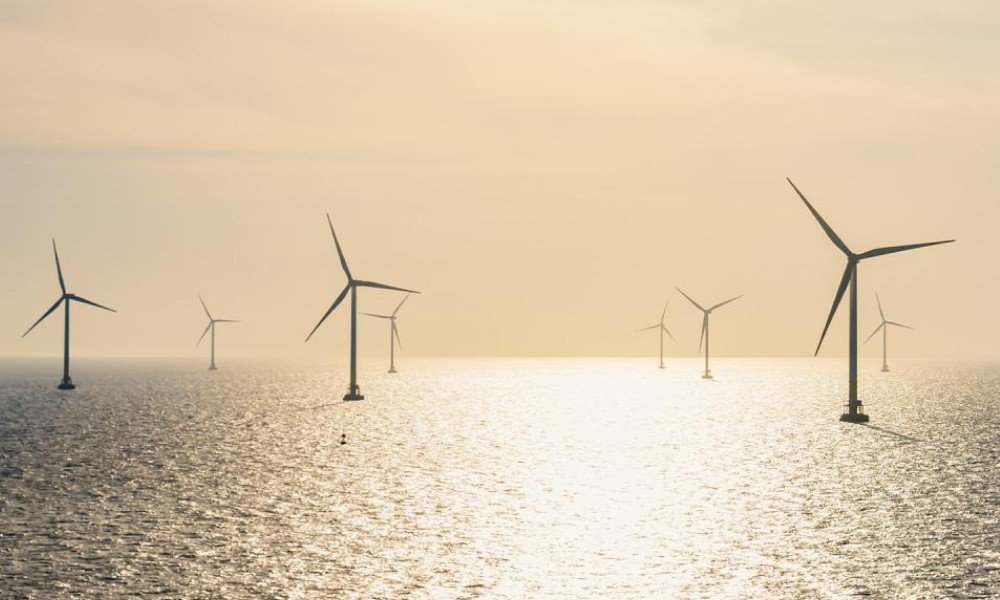
As the US focuses on domestic oil and gas to reduce reliance on China, its offshore wind industry is suffering from halted projects, tax rollbacks, and inflation. The side effect of this is the overwhelming takeover of offshore wind by Asia’s largest nation.
Despite such unfavourable conditions in the US, Rystad Energy research shows new global offshore wind capacity will reach 16GW by the end of 2025 due to projects already underway, with two-thirds of them being developed in China.
By 2030, Rystad Energy forecasts China’s offshore wind projects will claim 45% of the world’s cumulative capacity, making it difficult for the US market to compete in the long term, regardless of policy reversals.

The U-turn-like policy shift in the US has brought the offshore wind industry in the country to a screeching halt. However, that also halts or slows progress on greenlit projects and sees European wind developers moving away from the US.
“The US-China supply chain may be decoupled, but China’s position as a global renewables leader may have only been strengthened because of it,” Alexander Fløtre, SVP and head of offshore wind research at Rystad Energy.
US renewable energy investments have plunged 36% year-on-year so far in 2025, whereas European investments are rising as companies redirect capital away from the US. Stop work orders were issued for both Ørsted’s Rhode Island offshore wind development and Equinor’s New York project.
The latter has reached a deal that lifted the administration’s ban, while a federal judge has reversed the order on Ørsted’s Revolution project, but the legal battle might not yet be over.
Unlike the US and its hurdles for offshore wind, China is doing it quite differently. CNOOC stated that it is staging its offshore wind portfolio expansion, with a key project in the 1.5GW Hainan zone aimed to be commissioned before 2030.
The project is approved and is to be the first utility-scale project for CNOOC. For European energy companies with less US exposure, their reliance on China and other nations will only be enhanced.

The chances of creating an alternate, renewables-driven supply chain to compete with China are low, with Western original equipment manufacturers flocking back to the country’s favourable business environment after fleeing in 2020.
Rystad sees the challenge as quite formidable – an analysis of turbine platforms with IEC-type certification commonly used across Europe, for example, reveals that approximately 25% of the manufacturing sites producing key components for Western OEMs are in China.
“Europe’s wind industry has taken notice, and policymakers are mobilising to help reduce the reliance on Chinese imports and beef up the domestic wind energy supply chain. Officials hope such measures will encourage manufacturing buildouts while keeping costs in check,” stated Andrea Scassola, VP of supply chain research at Rystad Energy.