Wärtsilä: All-Time High Operating Result And Cash ...
3 months ago

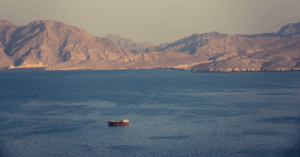


Ships sailing through the Strait of Hormuz and nearby waters have started broadcasting unusual radio messages to reveal their national ties, hoping this will prevent them from being attacked as tensions continue between Iran and Israel, according to maritime analytics firm Windward and ship tracking data.
The practice began shortly after clashes broke out earlier this month between Israel and Iran. After 12 days of conflict, U.S. President Donald Trump brokered a ceasefire, but risks at sea remain high.
The Joint Maritime Information Center (JMIC) has confirmed that the threat level for vessels in the region is still high despite the truce.
Between June 12 and June 24, Windward reported that 55 ships sent out a total of 101 unusual messages while navigating the Gulf and the Red Sea. These messages included phrases like “China owned,” “Russian crude,” and “Vsl no link Israel.”
These identifiers appear to be strategic, aimed at associating the vessels with countries that are perceived as being at lower risk of being targeted, such as China and Russia, as opposed to Western nations like the U.S., U.K., or Israel.
Ami Daniel, CEO of Windward, said that the ownership structure of ships can often be complex, which makes it difficult to determine which country a vessel is truly linked to. As a result, some ship operators are choosing to broadcast clear messages about their perceived affiliations to reduce the threat level during transit.
Normally, ships broadcast simple information like their next port or phrases like “For Orders.” In regions prone to piracy, some vessels also signal “Armed Guards on Board.” But Windward pointed out that these nationality-related broadcasts, especially in the Persian Gulf, is highly unusual.
Before June 12, such messages were mostly seen only in the Red Sea, where attacks by Yemen’s Houthi rebels have intensified since the Israel-Gaza war began. “I’ve never seen it in the Persian Gulf,” Daniel said, according to reports.
Examples of these unusual transmissions include:
Meanwhile, JMIC also issued a warning about interference affecting the Global Navigation Satellite System (GNSS) in the region. Disruptions to GNSS can cause ships drifting off course, increasing the chances of accidents or collisions with other vessels or obstacles.
On June 24, the day after the ceasefire was declared, commercial ship traffic in the region surged by 30%, according to JMIC data. The Strait of Hormuz remains one of the world’s most critical maritime corridors, with nearly 20% of global oil and fuel consumption passing through its narrow waters every day.
References: Reuters, FirstPost