Wärtsilä: All-Time High Operating Result And Cash ...
3 months ago

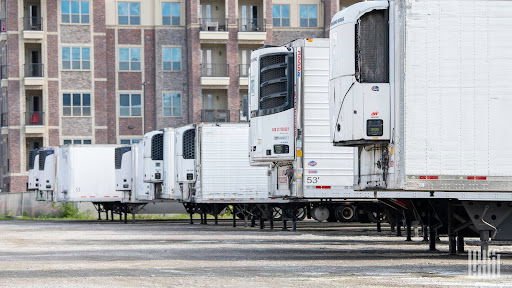
Let’s get this straight—adding a driver isn’t just about filling a seat. It’s about knowing exactly when your business can sustain it, when it needs it, and when waiting is the smarter move. Too many small carriers hire too early, chasing growth without the freight to back it up or the systems to support it. And what happens? Payroll gets tight. Equipment sits. Operations spiral. You’re not growing—you’re bleeding. Hiring has to be a strategic decision, not a hopeful one.
If you’re running a small operation and thinking about bringing someone on—whether it’s your first driver or your fifth—this article is your gut check. Because timing matters just as much as execution. We’re going to walk through the signs that it’s time to expand, the indicators that you’re not ready yet, and the foundational work you need in place before that hire ever sees the inside of your truck.
This is where most small carriers fall short. They land one good contract or start seeing some consistent freight on the board, and they think, “It’s time to scale.” But steady isn’t the same as sustainable. One broker with consistent loads is not a business model—it’s a dependency. And if that freight disappears, now you’ve got payroll due on a driver you can’t keep rolling.
Before you hire, ask yourself:
If you can’t say yes to all three, you’re not ready. Waiting is smarter than hiring someone you can’t afford to pay three months from now.
Hiring a driver without knowing your cost per mile is like trying to win a race without knowing where the finish line is. You’ve got to know your breakeven down to the cent—per mile, per week, per truck.
If you don’t know:
…then hiring isn’t a business decision—it’s a guess. And in this market, guesses get expensive real fast.
Here’s a better question than “Should I hire?” Ask: “Am I already maximizing the truck I have?” Too many owners jump to hiring because they’re tired. They want help. But the truth is, a second driver won’t solve a business that isn’t optimized. If your current truck isn’t running 5+ days a week, or if you’re turning down freight you could cover yourself, you’re not ready to hire—you’re ready to tighten up.
That said, if you’re booked out days in advance, running profitable lanes, and consistently turning down loads because you can’t cover them—that’s your signal. Demand is pulling ahead of supply. That’s when a second truck makes sense.
Let’s talk about money. Hiring a driver means you’re committing to paying someone every week—even if your customers don’t pay for 30 days. You need at least 45–60 days of payroll set aside before that hire ever steps into your operation. If that sounds like a stretch, you’re not alone. But it’s also your red flag.
Do the math:
Because once the driver’s in, there’s no pause button. Running tight and hoping your next invoice pays in time is not a business strategy.
Adding a driver doesn’t just mean adding miles—it means adding complexity. Dispatch, safety, maintenance tracking, driver communication, onboarding, load paperwork—it all scales with every truck. If you’re running everything manually or off your phone, you’re going to burn out or drop the ball. Or both.
Before hiring, ask:
If your answer is “I’ll figure it out when they start,” you’re already behind. Build the system first. Then staff it.
Let’s talk about what right looks like. Here’s when hiring is the right call:
In that situation, adding a driver is a force multiplier. You’re not just growing—you’re growing right.
If you’re still heavily dependent on load boards, still running inconsistent freight, or still managing everything out of a single spreadsheet, hiring isn’t going to fix it. It’s going to break it faster.
Wait if:
There’s no shame in waiting. There’s only risk in rushing.
Adding a driver isn’t a milestone—it’s a responsibility. And in this industry, hiring too early will cost you more than waiting too long ever will. The numbers don’t lie. If you’re not running lean, consistent, and cash-positive, more trucks won’t fix the problem—they’ll multiply it. But when you’ve got the freight, the systems, and the financial foundation in place, that hire can be a game-changer. Just make sure it’s a business move, not a bailout.