Wärtsilä: All-Time High Operating Result And Cash ...
2 months ago

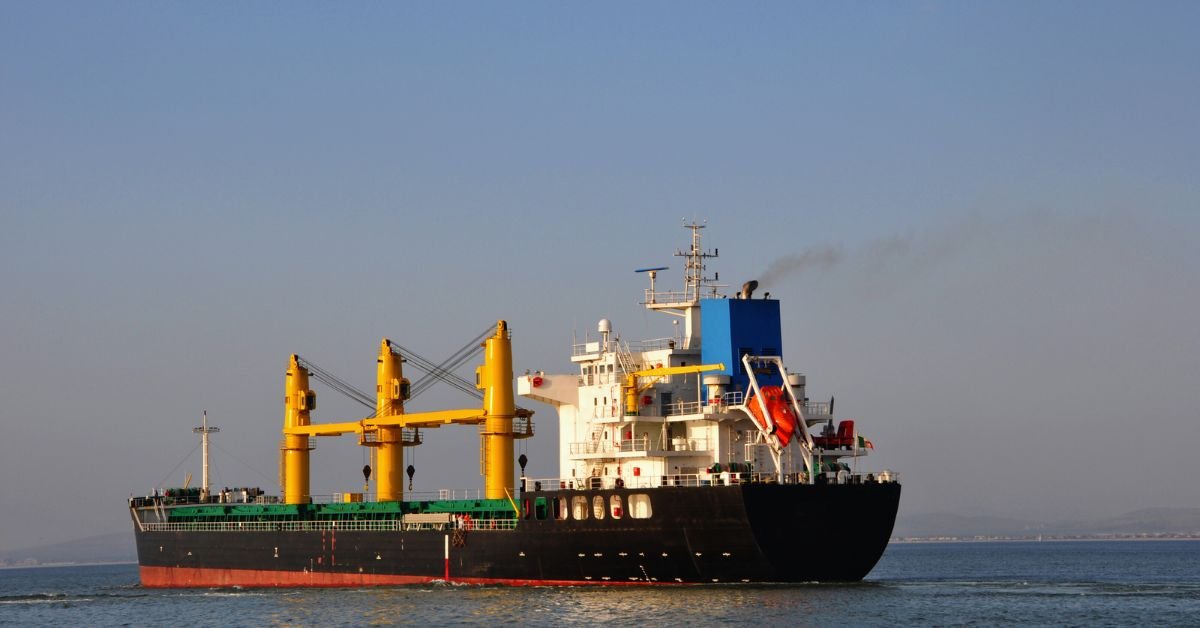
EU Shipping emissions were highest in 2024 since reporting began in 2018.
The emissions rose by 13% even though maritime trade slowed down due to Houthi attacks on Red Sea Shipping.
Vessels were forced to abandon the route and take longer journeys around the Cape of Good Hope, sailing faster to maintain their delivery schedule.
The high level of emissions underlines the need for stronger carbon pricing and stricter climate policies.
Though 2024 set a new emissions record, hitting an all-time high, trade volume remains down.
This points to the fact that ships are generating more pollution irrespective of the volume of cargo they carry. Why is this so?
Per reports, container ships are responsible for the increase in total emissions, as their emissions have increased by a whopping 46%.
Hence, the global container fleet can be regarded as the main culprit behind the spike in emissions.
The operational pressures due to rerouting have led to the generation of more emissions per container vessel. This is because there are more vessels and they are sailing on longer routes and at high speeds.
Experts say there is a dire need for policy tools to address this issue and to support the usage of e-fuels for reducing fuel consumption without impacting maritime trade.
Additionally, a major chunk of Europe’s shipping emissions is linked to the transportation of oil, LNG and other fossil fuels.
Increased use of renewable energy has led to a decline in fossil fuel imports, but they are still high.
Fossil fuel carriers make atleast 20% of EU shipping emissions.
The volumes of LNG being shipped have increased since Russia invaded Ukraine; however, that has decreased in 2024.
Emissions from shipping crude oil imports rose to 2019 highs, thanks to Rotterdam Port, the Netherlands’ biggest importer of fossil fuels by sea.
As Europe hastens its green transition, companies shipping fossil fuels could find themselves with stranded ships.
Experts highlight the urgent need to focus on decarbonising initiatives.
1. eBooks for Engine Department
Master machinery operations, troubleshooting, and safety procedures with expertly written guides tailored for marine engineers. Prevent costly breakdowns and onboard accidents through practical knowledge.
👉 Explore Engine Department eBooks
2. eBooks for Deck Department
Sharpen your seamanship, navigation, and cargo-handling skills with real-world case studies and practical insights designed for deck officers and cadets.
👉Discover Deck Department eBooks
3. eBooks on Electrical Fundamentals & Issues
Understand marine electrical systems, identify potential faults, and prevent onboard electrical failures with step-by-step explanations from industry experts.
4. Pocket Guides for Quick Reference
Compact, handy, and loaded with essential checklists—perfect for on-the-go reference during operations and emergencies at sea.
5. Combo Packs to Save Big
Access multiple expert eBooks at discounted prices. Ideal for professionals seeking complete safety and operational knowledge across various ship departments.
6. Digital Maritime Courses – Learn at Your Own Pace
Upgrade your competence with Marine Insight Academy’s online courses. Learn from industry professionals anytime, anywhere, and become a safer, smarter seafarer.
Disclaimer :
The information on this website is for general purposes only. While efforts are made to ensure accuracy, we make no warranties of any kind regarding completeness, reliability, or suitability. Any reliance you place on such information is at your own risk. We are not liable for any loss or damage arising from the use of this website.
Disclaimer :
The information on this website is for general purposes only. While efforts are made to ensure accuracy, we make no warranties of any kind regarding completeness, reliability, or suitability. Any reliance you place on such information is at your own risk. We are not liable for any loss or damage arising from the use of this website.