Wärtsilä: All-Time High Operating Result And Cash ...
3 months ago

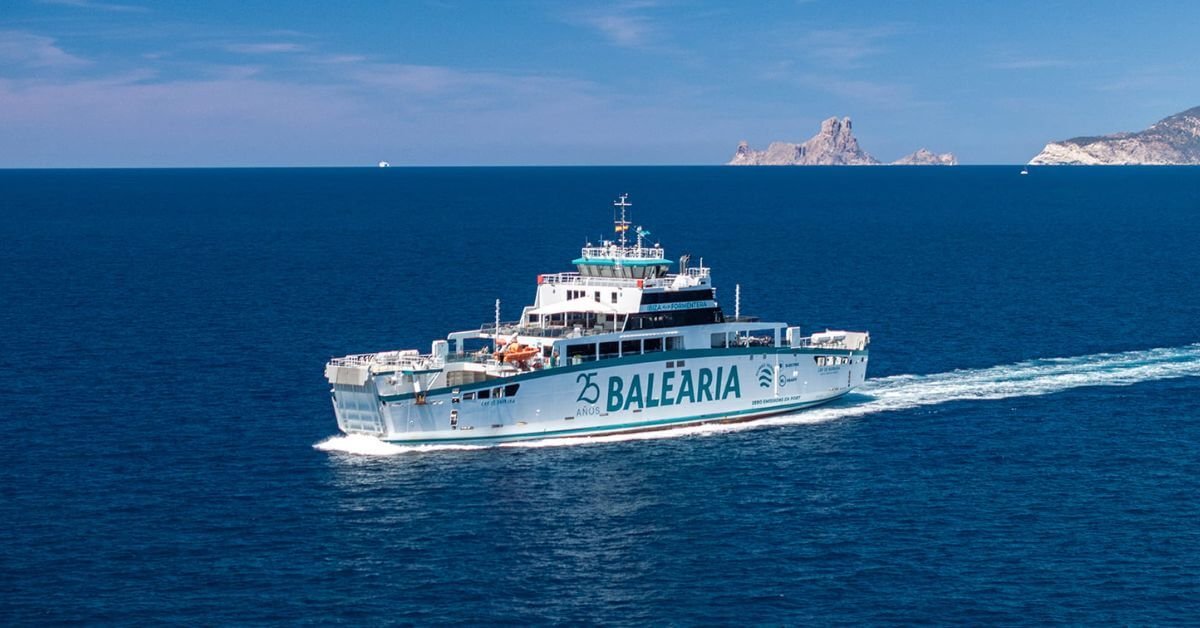
Baleària will incorporate Europe’s first autonomous e-methanol power generation container, manufactured by the Catalan company specialising in sustainable energy solutions Methanol Reformer, into the electric ferry Cap de Barbaria. The eNomad system will be available in the coming weeks and will turn the Cap de Barbaria into an experimental hydrogen laboratory, as it is the first ferry in Europe to use methanol as an energy vector to produce hydrogen. The use of this system marks a new milestone in decarbonisation solutions applicable to short-distance maritime transport.
The Cap de Barbaria, which has been operating between Ibiza and Formentera since 2023, was designed to integrate a hydrogen system capable of supplying a portion of the energy required by the vessel. The eNomad system from Methanol Reformer combines electricity generation from hydrogen, produced by reforming e-methanol, with a modular, compact and autonomous design, capable of operating efficiently in port and maritime environments. Using the system on the electric ferry will enable its performance to be validated in real-life operating conditions.
The hydrogen generated by this system will be used to power a fuel cell and produce auxiliary electricity. This electricity will support battery recharging and reduce the use of conventional generators, thereby lowering fuel consumption and emissions. In addition, Baleària will use this compact hydrogen production equipment to test different combinations of batteries and fuel cells in the ship’s electric motor.
Through this pilot project, Baleària will be able to assess the potential of methanol as a flexible energy vector for maritime transport, combining the advantages of an easy-to-store liquid fuel with the possibility of generating hydrogen in situ, without the need for complex large-scale supply infrastructure. In addition, the shipping company will evaluate the hydrogen’s contribution to overall consumption, reducing emissions, and the scalability of the solution to other ships and routes operated by the company.

“This compact equipment enables us to run a small-scale green hydrogen experimental laboratory in a real operating environment and on a route as sensitive and iconic as the one linking Ibiza and Formentera”, explains Javier Cervera, Corporate Director of Institutional Relations and the Energy Transition. “Today, we are once again pioneers, testing the technologies that will make tomorrow’s zero-emission navigation possible.”
“We are proud to be collaborating with Baleària on this project, which demonstrates how technological innovation can transform maritime mobility and contribute to a more sustainable energy future”, explains Javier Torres, CEO of Methanol Reformer, thereby underpinning the company’s role as a provider of innovative energy solutions that drive decarbonisation and efficient maritime transport.
In 2023, the Cap de Barbaria began operating as Spain’s first electric passenger and cargo ferry with zero emissions during port approaches and stays, reducing CO2 emissions by 33% compared to the vessel that had been operating previously. Through this latest milestone in the BUCEMTO project, financed by Next Generation Funds, the shipping company is reaffirming its commitment to exploring all technologies that can accelerate the decarbonisation of maritime transport, combining natural gas, biofuels, electricity, hydrogen and now also methanol as a key element in the sector’s energy transition. Baleària has 11 dual natural gas-powered vessels, three of which currently use bioLNG. The company is also making progress towards the total electrification of certain routes with 100% electric, zero-emissions fast ferry projects, such as the future green corridor between Tarifa and Tangier. It should be noted that in 2024, Baleària reduced its carbon footprint per passenger by almost 10%.
Press Release
Disclaimer :
The information on this website is for general purposes only. While efforts are made to ensure accuracy, we make no warranties of any kind regarding completeness, reliability, or suitability. Any reliance you place on such information is at your own risk. We are not liable for any loss or damage arising from the use of this website.
Disclaimer :
The information on this website is for general purposes only. While efforts are made to ensure accuracy, we make no warranties of any kind regarding completeness, reliability, or suitability. Any reliance you place on such information is at your own risk. We are not liable for any loss or damage arising from the use of this website.
1. eBooks for Engine Department
Master machinery operations, troubleshooting, and safety procedures with expertly written guides tailored for marine engineers. Prevent costly breakdowns and onboard accidents through practical knowledge.
👉 Explore Engine Department eBooks
2. eBooks for Deck Department
Sharpen your seamanship, navigation, and cargo-handling skills with real-world case studies and practical insights designed for deck officers and cadets.
👉Discover Deck Department eBooks
3. eBooks on Electrical Fundamentals & Issues
Understand marine electrical systems, identify potential faults, and prevent onboard electrical failures with step-by-step explanations from industry experts.
4. Pocket Guides for Quick Reference
Compact, handy, and loaded with essential checklists—perfect for on-the-go reference during operations and emergencies at sea.
5. Combo Packs to Save Big
Access multiple expert eBooks at discounted prices. Ideal for professionals seeking complete safety and operational knowledge across various ship departments.
6. Digital Maritime Courses – Learn at Your Own Pace
Upgrade your competence with Marine Insight Academy’s online courses. Learn from industry professionals anytime, anywhere, and become a safer, smarter seafarer.