Wärtsilä: All-Time High Operating Result And Cash ...
2 months ago

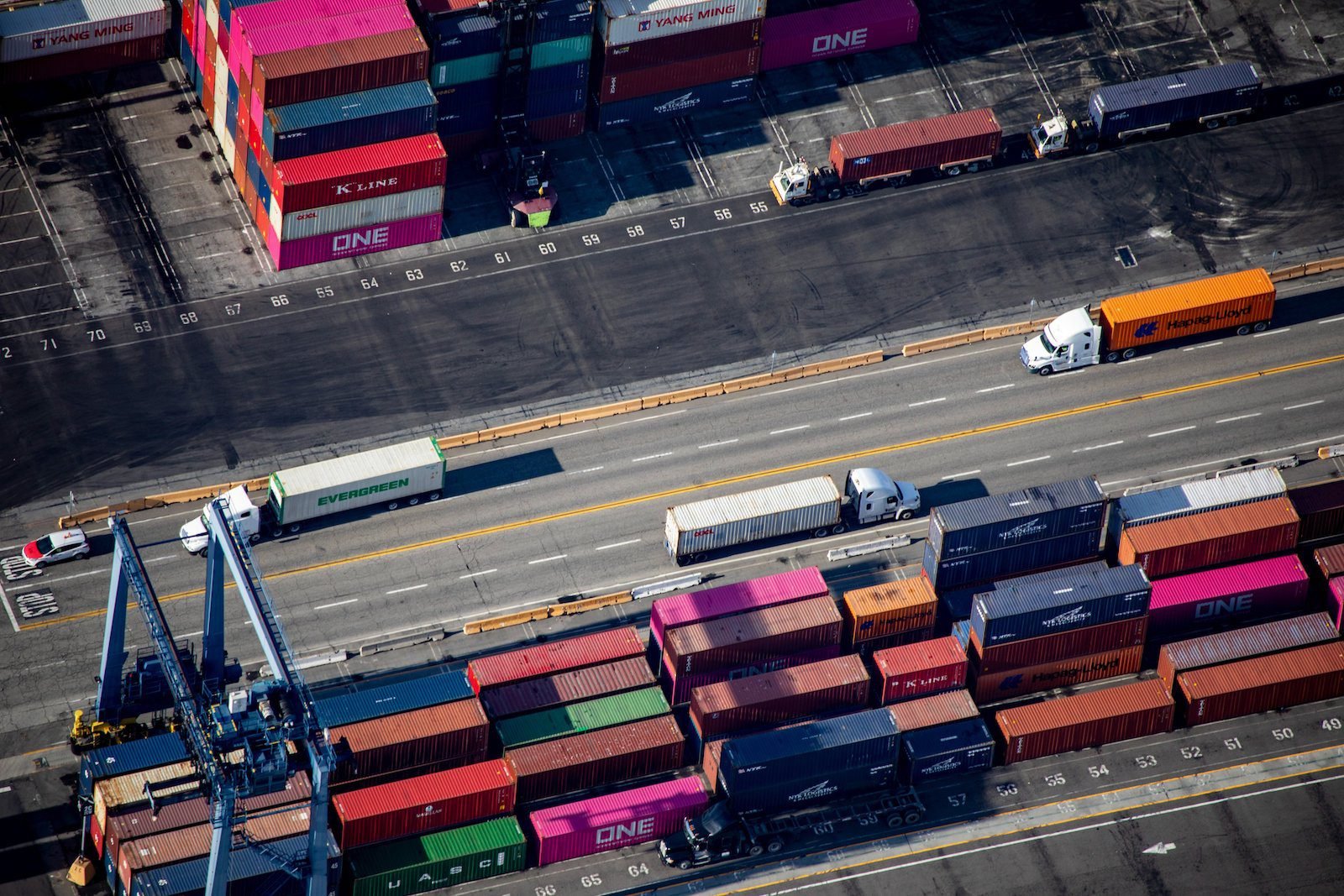
The Port of Los Angeles is on track to post its third-busiest cargo year on record, even as November volumes fell sharply amid growing tariff-driven uncertainty in U.S. trade.
The nation’s busiest container gateway handled 782,249 TEUs in November, down 12% from last year’s elevated levels, but still pushed year-to-date volumes to 9.45 million TEUs, according to Executive Director Gene Seroka. With December still to come, the port expects to top 10 million TEUs in 2025, placing it firmly among its strongest years ever.
“Even with all the trade uncertainty, we’ll finish 2025 north of 10 million TEUs,” Seroka said at a media briefing. “That puts this year in our top three of all time — and we did it without congestion or ships waiting offshore.”
Seroka credited the port’s performance to smooth coordination across the supply chain, from terminals and railroads to truckers and longshore labor.
“That reliability is why more than 200,000 importers and exporters continue to choose Los Angeles in any market condition,” he said.
November’s slowdown was broad-based, with loaded imports falling 11% year-over-year to 406,421 TEUs. Loaded exports came in at 113,706, down 8% from 2024, while empty containers fell 13% to 262,122.
The November decline mirrors a broader cooling trend across U.S. container ports as the impact of tariff volatility ripples through supply chains.
According to the National Retail Federation and Hackett Associates’ Global Port Tracker, year-over-year import declines are expected to persist into 2026, driven largely by shifting trade policy and reduced demand.
“We’re seeing the effects of tariffs weakening cargo demand from the fourth quarter into at least the first half of next year,” said Ben Hackett, founder of Hackett Associates. He noted that container shipping rates are already sliding on both coasts as demand for vessel space eases.
U.S. ports handled 2.07 million TEUs in October, down 7.9% year-over-year, with even steeper declines projected for November and December.
Much of the slowdown reflects aggressive frontloading earlier in the year, as retailers rushed imports ahead of potential tariff changes. That strategy left store shelves full — but created a cargo vacuum in late 2025.
“Stores are stocked and ready for a strong holiday season,” said Jonathan Gold, NRF vice president for supply chain and customs policy. “But there’s still significant uncertainty about what trade policy will look like in 2026.”
Nationwide container volume for 2025 is now forecast at 25.2 million TEUs, down 1.4% from 2024, an improvement over earlier projections that had warned of much steeper declines. Still, forecasts for early 2026 point to double-digit percentage drops from current levels.
Even so, the NRF expects record U.S. holiday sales exceeding $1 trillion this year — highlighting a growing disconnect between consumer demand and import volumes as retailers lean more heavily on inventory planning.
For ports and carriers alike, industry watchers say tariff policy will remain the dominant force shaping cargo flows well into 2026, keeping pressure on volumes even as consumer spending remains resilient.
Sign up for gCaptain’s newsletter and never miss an update