Wärtsilä: All-Time High Operating Result And Cash ...
2 months ago

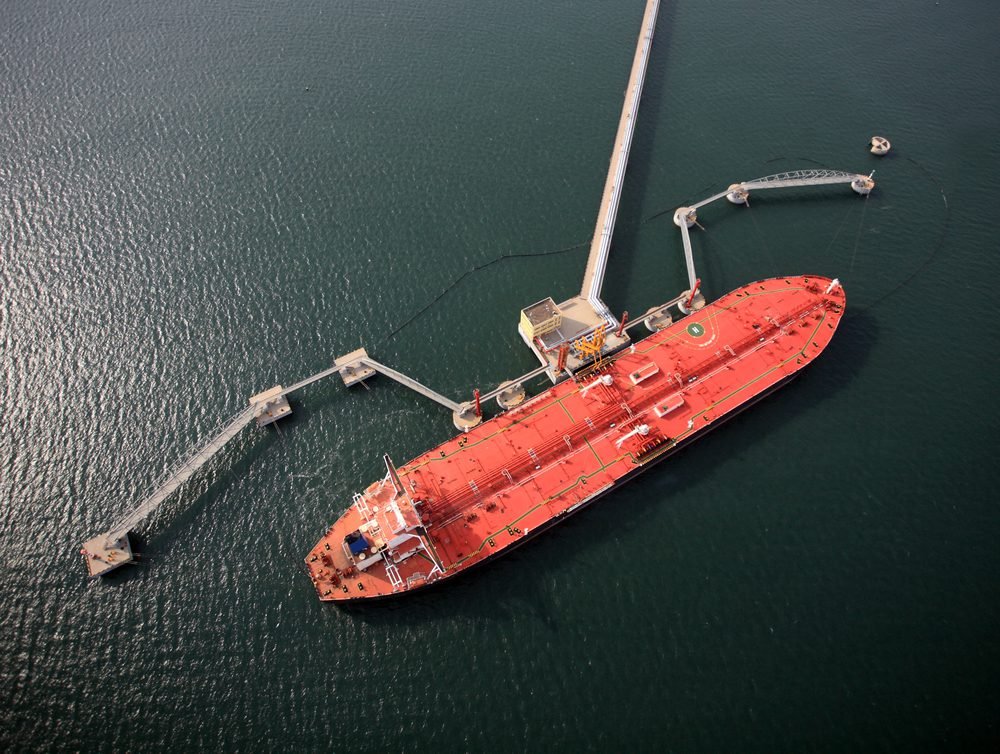
The U.S. Department of the Treasury’s Office of Foreign Assets Control (OFAC) announced sweeping new sanctions targeting Iran’s shadow fleet operations, designating 29 vessels and multiple shipping companies involved in transporting Iranian petroleum products through deceptive practices.
The action, which also targets Egyptian businessman Hatem Elsaid Farid Ibrahim Sakr and several of his UAE-based companies, represents a continued effort to disrupt the revenue streams funding Iran’s military and nuclear ambitions.
“As President Trump has said repeatedly, the United States will not allow Iran to have a nuclear weapon,” said Treasury Under Secretary for Terrorism and Financial Intelligence John K. Hurley. “Treasury will continue to deprive the regime of the petroleum revenue it uses to fund its military and weapons programs.”
Since President Trump resumed office, the Administration has sanctioned more than 180 vessels responsible for shipping Iranian petroleum and petroleum products, a measure designed to drive up costs for Iranian oil exporters and reduce the revenue Iran receives per barrel.
The designated vessels transport various Iranian petroleum products, including crude oil, fuel oil, bitumen, naphtha, and condensate. The companies operating these vessels are established across multiple jurisdictions and largely exist solely to own and manage their respective ships.
Among the sanctioned entities, UAE-based Phoenix Ship Management FZE operates four vessels—the Palau-flagged NEBULA DRIFT and AETHER SAIL, and the Panama-flagged TIDAL RHYTHM and VOYAGER HAVEN—that have transported hundreds of thousands of barrels of Iranian petroleum products in 2025.
The Treasury also targeted Hatem Elsaid Farid Ibrahim Sakr, an Egyptian shipping businessman operating from the UAE who owns and operates multiple companies responsible for transporting large quantities of Iranian petroleum products in the Persian Gulf region. His company Red Sea Ship Management LLC manages three Palau-flagged tankers that have transported Iranian petroleum products including naphtha, bitumen, and fuel oil.
One of Sakr’s vessels, the SKYLIGHT, was acquired in June 2023 and immediately used for a ship-to-ship transfer of Iranian condensate in coordination with Sahara Thunder, a front company associated with Iran’s Ministry of Defense and Armed Forces Logistics.
The sanctions also extend to UAE-based Qatrat Alnada Almasi Ship Management L.L.C, which took over management of several vessels from Sakr’s companies. Four of Qatrat Alnada’s vessels have transported Iranian petroleum products and made port calls to Houthi-controlled ports in Yemen.
This action was taken pursuant to Executive Order 13902, which targets Iran’s petroleum and petrochemical sectors, and continues the sanctions campaign in support of National Security Presidential Memorandum 2, instituting maximum economic pressure on Iran.
As a result of the designations, all property and interests in property of the designated persons that are in the United States or in the possession or control of U.S. persons are blocked. OFAC’s regulations generally prohibit all transactions by U.S. persons or within the United States that involve any property or interests in property of blocked persons.
The announcement follows a comprehensive expansion of sanctions against Iran’s oil export infrastructure last month, which targeted dozens of companies, individuals, and vessels involved in funding the Iranian military through illicit crude oil sales.
The sanctions come as Iran’s military has become increasingly dependent on oil revenue to rebuild its forces following what the Treasury described as the “12-Day War with Israel.”
“Today’s action continues Treasury’s campaign to cut off funding for the Iranian regime’s development of nuclear weapons and support of terrorist proxies,” said Treasury Secretary Scott Bessent. “Disrupting the Iranian regime’s revenue is critical to helping curb its nuclear ambitions.”
The comprehensive approach targets multiple layers of Iran’s oil export infrastructure, from vessel operators and charterers to buyers and financial intermediaries, with the Trump Administration having now sanctioned over 170 vessels responsible for shipping Iranian petroleum products.
Sign up for gCaptain’s newsletter and never miss an update