Wärtsilä: All-Time High Operating Result And Cash ...
2 months ago

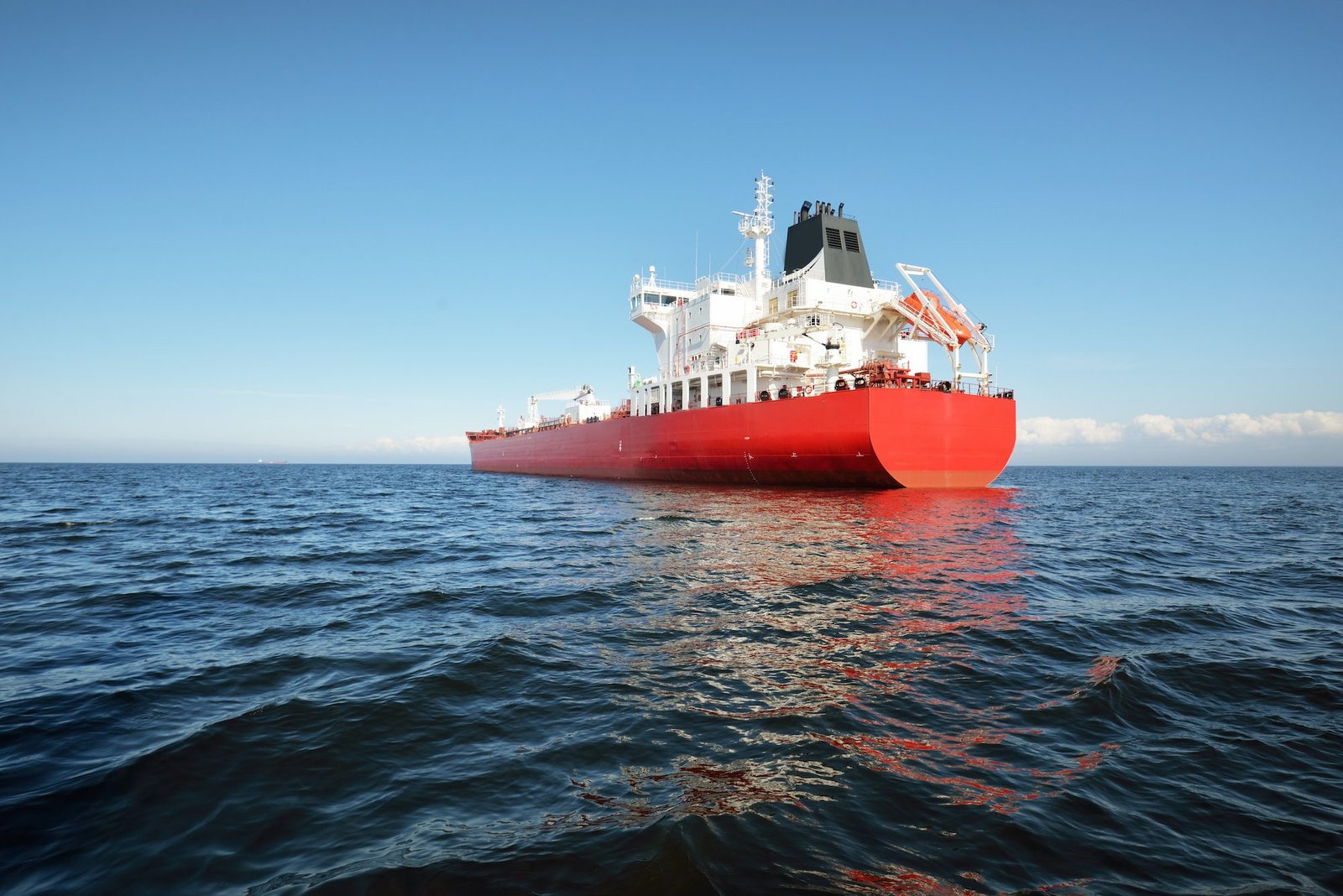
A coordinated wave of sanctions targeting Russia’s oil sector escalated dramatically on Thursday, with the United Kingdom announcing 24 new measures against Russian energy companies and associated networks while the European Union designated 41 additional vessels in Moscow’s shadow fleet.
The UK’s latest action directly targets four of Russia’s largest remaining unsanctioned oil companies—PJSC Tatneft, PJSC Russneft, LCC NNK-Oil, and LLC Rusneftegaz Group—which together generate over $20 billion in combined revenue and now account for nearly 10% of Russia’s oil exports over the past six months.
“With Russian oil revenues in free fall, now is the time to tighten the squeeze on Putin’s brutal war machine and bring Russia to the negotiation table,” said UK Sanctions Minister Stephen Doughty. “Our message is clear—the UK will not rest until Putin ends the bloodshed and there is a just and lasting peace in Ukraine.”
The coordinated Western effort appears to be having its intended effect. Russian oil revenues have fallen to their lowest levels since the full-scale invasion began, with revenues dropping over a quarter in the past year following October sanctions on Russia’s two largest oil companies—Lukoil and Rosneft—by both the UK and United States.
The European Union’s contribution to the pressure campaign brought the total number of sanctioned vessels to nearly 600, underscoring the bloc’s determination to close loopholes in the G7’s oil price cap mechanism that Russia has exploited through its fleet of aging tankers. The vessels now face port access bans and broad restrictions on maritime transport services across EU member states.
Among those targeted by the EU today are five ships designated for transporting stolen Ukrainian grain and cultural goods from occupied territories, while 36 additional vessels were sanctioned for engaging in what officials describe as “irregular and high-risk shipping practices” while transporting Russian crude oil and petroleum products.
The sanctions extend beyond vessels to key individuals facilitating shadow fleet operations. Pakistani-Canadian businessman Murtaza Ali Lakhani, who controls vessels transporting Russian petroleum products, was among those sanctioned today by both the UK and EU. The UK specifically targeted his shadowy network, which has become one of the largest traders of Russian oil since 2022.
UK Foreign Secretary Yvette Cooper, announcing earlier sanctions in October against oil giants Rosneft and Lukoil, emphasized the coordinated nature of the Western response. “At this critical moment for Ukraine, Europe is stepping up,” Cooper stated.”Together, the UK and our allies are piling the pressure on Putin—going after his oil, gas and shadow fleet—and we will not relent until he abandons his failed war of conquest and gets serious about peace.”
The US Department of the Treasury also imposed sanctions on Rosneft and Lukoil in October under the Trump Administration, with Treasury Secretary Scott Bessent declaring, “Now is the time to stop the killing and for an immediate ceasefire.”The Treasury emphasized its readiness to escalate pressure if necessary to support diplomatic efforts to end the conflict.
The UK’s latest measures also target Central Asian supply chains of cotton pulp, a vital component of ammunition, explosives and missile fuel which Russia cannot produce at scale. Additionally, the UK has sanctioned businesses across Thailand, Singapore, Turkey, and China that supply electronics critical for Russian drones and missiles.
According to the European Council, the latest actions bring the total number of individuals and entities sanctioned by the EU in response to Russia’s military aggression against Ukraine to over 2,600. The EU has signaled it “remains ready to step up pressure on Russia and its shadow fleet value chain,” suggesting additional measures may be forthcoming.
The shadow fleet—consisting largely of older tankers with opaque ownership structures—has become a critical component of Russia’s efforts to circumvent Western sanctions and maintain oil export revenues. These vessels often disable their automatic identification systems, engage in ship-to-ship transfers at sea, and frequently change flags and ownership to evade detection.
UK data shows sanctions have frozen £28.7 billion of Russian assets since February 2022, while the UK government has invested £600 million and delivered more than 85,000 military drones to Ukraine in the first six months of this year.
Sign up for gCaptain’s newsletter and never miss an update