In Venezuela’s case, Washington has said it is targeting only vessels already under US sanctions.

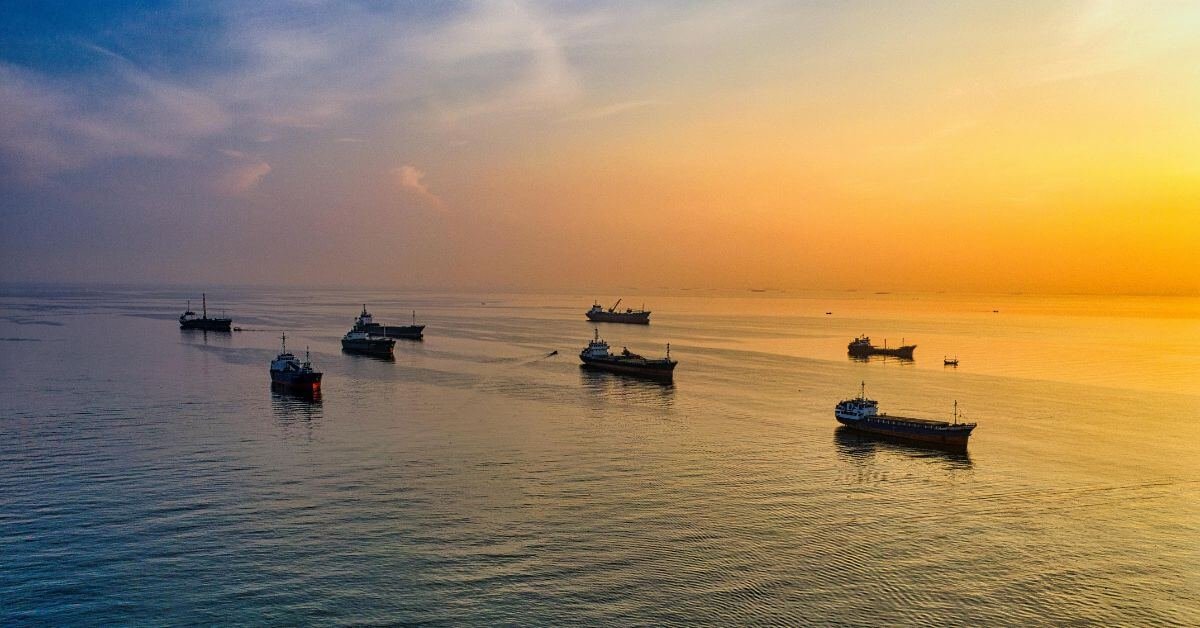
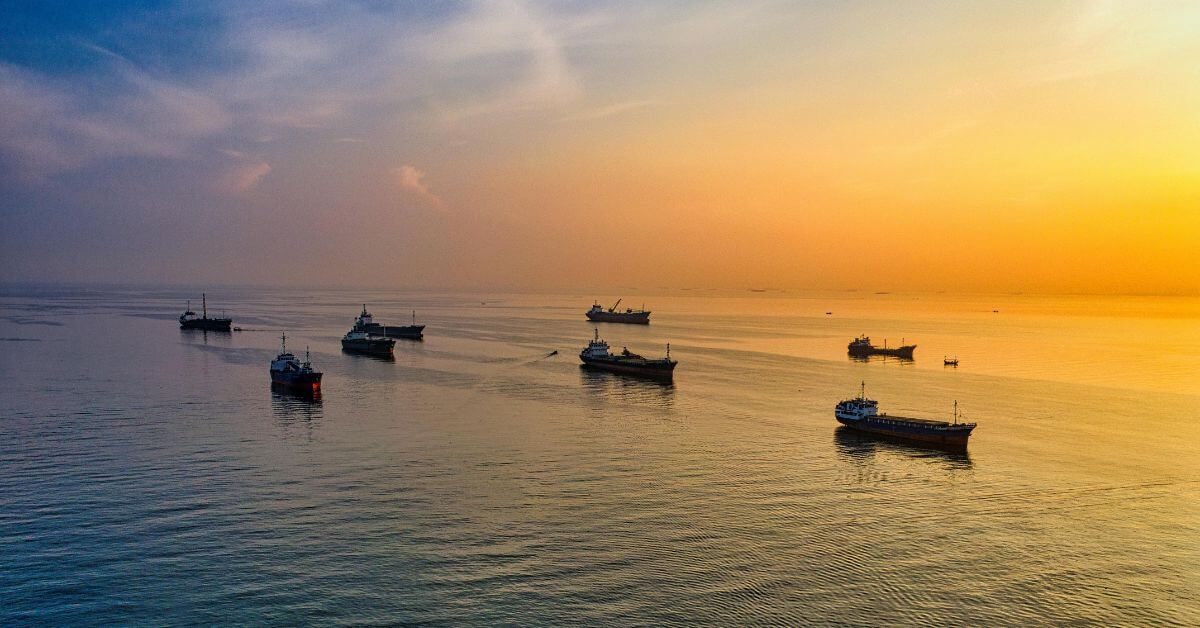
Venezuela has authorised two very large crude carriers (VLCCs) loaded with oil to depart for China, according to sources familiar with the country’s oil export operations, marking only the second and third supertankers allowed to leave Venezuelan waters since the United States seized a vessel carrying Venezuelan crude last week.
The two tankers, each carrying about 1.9 million barrels of Merey heavy crude, are not included on the current US sanctions list, according to internal documents from state-owned oil company PDVSA.
US authorities have previously stated that vessels under sanctions would not be permitted to depart Venezuelan ports.
Sources said the tankers planned to sail with their tracking transponders switched off as they left Jose, Venezuela’s main oil export terminal.
Satellite images analysed by shipping monitoring service TankerTrackers.com showed that one of the vessels had already departed Jose’s anchorage, where a number of loaded tankers have been waiting for clearance following the US seizure last week.
PDVSA documents show that both VLCCs have transported Venezuelan crude in recent years. Although the vessels are unsanctioned, operating without active tracking systems is a practice commonly associated with the so-called shadow fleet, which is used to transport oil from countries such as Venezuela, Iran and Russia.
Shipping analysts have said that while many shadow fleet vessels are not currently sanctioned by the US, they remain exposed to potential enforcement action.
According to data updated this week by TankerTrackers.com, 75 oil tankers currently in Venezuela are considered part of the shadow fleet. Of these, 38 have been sanctioned by the US Treasury, with at least 15 of the sanctioned vessels already loaded with crude or fuel.
PDVSA resumed loading crude and fuel cargoes on Wednesday after suspending terminal operations on Sunday following a cyberattack, though most exports have remained on hold amid uncertainty created by the US blockade threat.
A PDVSA source said the company was surprised by the announcement, leading to several discussions with customers. Most buyers were willing to lift their cargoes if assured that unsanctioned vessels would not be targeted.
Venezuela’s crude exports have dropped sharply from over 900,000 barrels per day in November, following last week’s US ship seizure.
Meanwhile, Chevron, which continues to ship Venezuelan crude under US authorisation, exported a cargo to the United States on Thursday, with the company stating its Venezuelan operations remain uninterrupted.
The Venezuelan government criticised the US blockade announcement, saying it violates international law, free trade, and freedom of navigation.
Reference: Reuters, Japan Times
Disclaimer :
The information on this website is for general purposes only. While efforts are made to ensure accuracy, we make no warranties of any kind regarding completeness, reliability, or suitability. Any reliance you place on such information is at your own risk. We are not liable for any loss or damage arising from the use of this website.
Disclaimer :
The information on this website is for general purposes only. While efforts are made to ensure accuracy, we make no warranties of any kind regarding completeness, reliability, or suitability. Any reliance you place on such information is at your own risk. We are not liable for any loss or damage arising from the use of this website.
1. eBooks for Engine Department
Master machinery operations, troubleshooting, and safety procedures with expertly written guides tailored for marine engineers. Prevent costly breakdowns and onboard accidents through practical knowledge.
👉 Explore Engine Department eBooks
2. eBooks for Deck Department
Sharpen your seamanship, navigation, and cargo-handling skills with real-world case studies and practical insights designed for deck officers and cadets.
👉Discover Deck Department eBooks
3. eBooks on Electrical Fundamentals & Issues
Understand marine electrical systems, identify potential faults, and prevent onboard electrical failures with step-by-step explanations from industry experts.
4. Pocket Guides for Quick Reference
Compact, handy, and loaded with essential checklists—perfect for on-the-go reference during operations and emergencies at sea.
5. Combo Packs to Save Big
Access multiple expert eBooks at discounted prices. Ideal for professionals seeking complete safety and operational knowledge across various ship departments.
6. Digital Maritime Courses – Learn at Your Own Pace
Upgrade your competence with Marine Insight Academy’s online courses. Learn from industry professionals anytime, anywhere, and become a safer, smarter seafarer.