Wärtsilä: All-Time High Operating Result And Cash ...
2 months ago

By Mia Gindis
Dec 23, 2025 (Bloomberg) –More than a dozen tankers have loaded oil off Venezuela’s coast since the Trump administration intensified efforts to curb Caracas’ crude revenue by targeting sanctioned vessels.
Since Dec. 11, roughly 14 vessels have loaded, and at least six of them were under sanctions, according to data from maritime intelligence firm Kpler. The majority of the loadings took place at the ports of Bajo Grande and Puerto Jose.
The data shows that loadings are still happening at a roughly typical pace even as tensions climb. US President Donald Trump has deployed a fleet of warships to the Venezuelan coast and his administration recently launched a naval blockade aimed at preventing sanctioned vessels from entering or leaving the South American country.
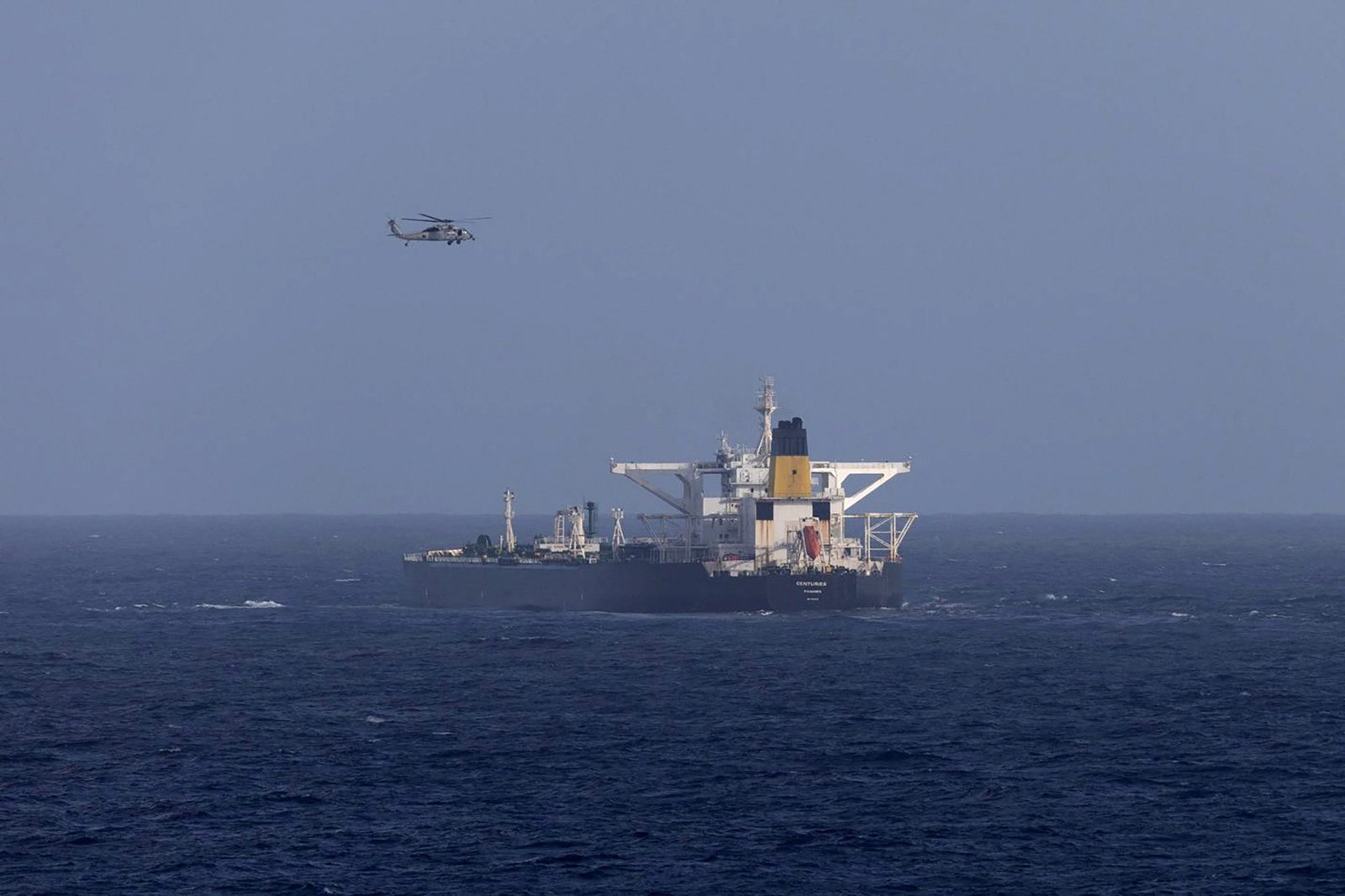
Over the weekend, US forces boarded the Centuries tanker in the Caribbean — the first non-sanctioned ship to be targeted — signaling a potential widening of the administration’s enforcement scope. The campaign is meant to deter illicit activity and to signal that the US wants Venezuelan leader Nicolas Maduro out of power, Homeland Security Secretary Kristi Noem said Monday.
Trump said the US would keep the oil from seized ships that are tied to Venezuela. The US could either sell it, or put it into the country’s strategic reserves, he said at a Mar-a-Lago event.
Read More: Trump Warns Maduro Not to Play ‘Tough’ But Won’t Threaten Ouster
Proceeds from the oil industry provide Venezuela’s struggling economy with much-needed hard currency. The country exports roughly 900,000 barrels of oil a day — about 30% of which moves through a shadow fleet similar to the tankers targeted by the Trump administration.
Of the recent loadings, at least three of the vessels are carrying product for Chevron Corp., which holds a US license to drill and export oil from the country. In a statement Monday, the company reiterated that its Venezuela operations remain fully compliant with US laws and sanctions, and that it continues to prioritize the safety of its personnel.
Read More: Chevron Steers Risky Path to Oil’s Biggest Prize in Venezuela
Another four tankers that loaded at the Jose export terminal — including Centuries, the vessel targeted over the weekend — have switched off their automated-position signals, a tactic that usually signals illicit activity, Kpler said.
“Most Venezuelan oil subject to sanctions is still being transported by ships that are not officially designated,” said Matt Smith, Americas lead oil analyst at Kpler. “This gap suggests that future enforcement actions by the United States may increasingly focus on vessels that are not formally sanctioned but are involved in high-risk trade activities.”
So far, the turmoil has had little impact on oil prices, given plentiful global supplies. West Texas Intermediate futures have fallen roughly 1% since the first sanctioned oil tanker was intercepted and seized by US forces off the coast of Venezuela on Dec. 10.
Read More: US Says Boat Strikes Signal Maduro ‘Needs to Be Gone’
Even with Venezuelan exports under threat, Kpler data shows shipments are running above recent levels.
Since Dec. 11, loadings have averaged 890,000 barrels per day, up from the typical 800,000, Kpler data shows. The increase likely reflects an incentive to move crude on to water, since expanding onshore storage could force a slowdown in production, according to Smith.
Venezuela’s crude represents less than 1% of global supplies, with most going to China.
Roughly 35 sanctioned oil tankers are clustered near Venezuela’s coast, a typical level, Smith said, adding that the data suggests ships are still attempting to reach the country despite sanctions.
© 2025 Bloomberg L.P.
Sign up for gCaptain’s newsletter and never miss an update