Wärtsilä: All-Time High Operating Result And Cash ...
2 months ago

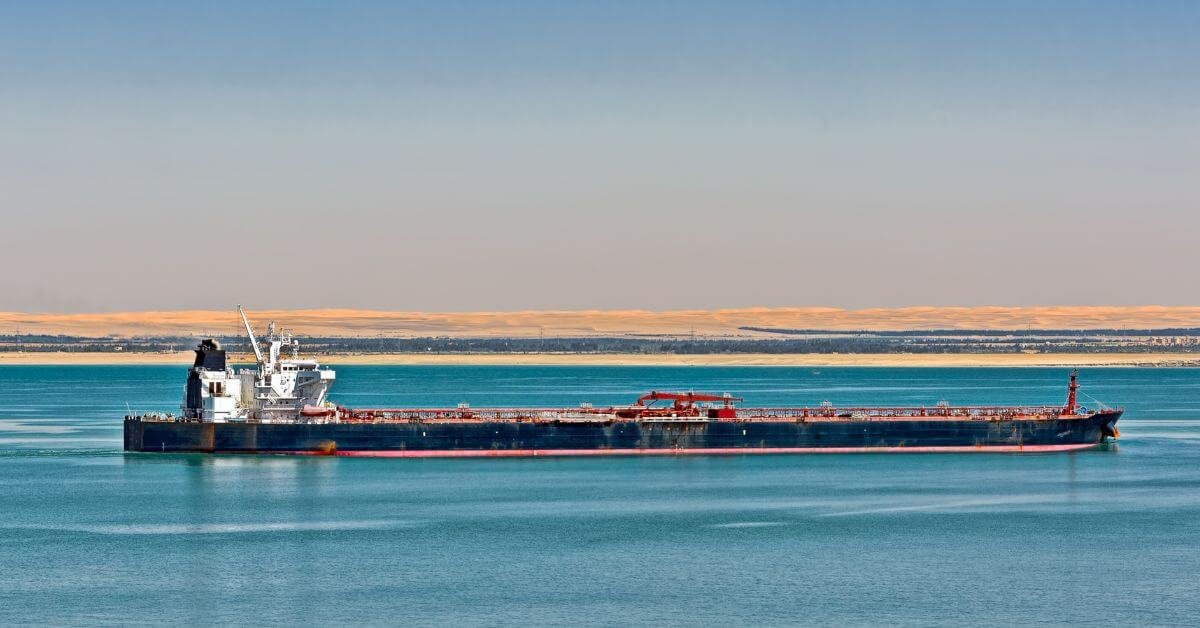
Venezuela’s state-owned oil company, PDVSA, has begun using tankers to store crude and fuel oil in local waters as onshore storage reaches capacity. The move comes as U.S. actions against Venezuela-linked vessels have left multiple cargoes stranded at sea.
Earlier this month, the U.S. Coast Guard intercepted two fully loaded tankers, the Skipper and Centuries, carrying Venezuelan crude in the Caribbean Sea. A third empty tanker approaching Venezuelan waters was reportedly being pursued.
These measures, aimed at vessels of a so-called “shadow fleet” transporting sanctioned oil, alongside a U.S. blockade of all ships subject to sanctions, have deterred many ship owners, leaving more than a dozen cargoes waiting to depart Venezuelan ports.
The backlog is affecting PDVSA’s Jose terminal, which handles extra heavy crude from the Orinoco Belt, the country’s main oil-producing region.
PDVSA produces around 1.1 million barrels of crude per day, and the terminal’s onshore tanks are quickly filling. Over the past weekend, the company began transferring part of its stored inventories onto tankers, a strategy it has employed in previous years to maintain production levels despite storage limitations.
PDVSA’s main joint-venture partner, Chevron, has continued exports of the crude grades it produces jointly with the Venezuelan company. As a result, inventories in the country’s western region, where storage capacity is limited, remain close to normal levels.
Chevron, however, accounts for only about a quarter of the crude produced at blending stations and upgraders in the Orinoco Belt, approximately 130,000 barrels per day. The remaining three-quarters are typically exported to China, which has received about 80% of Venezuela’s crude exports this year.
Onshore storage at the Jose terminal had decreased to between 9 million and 11 million barrels since September, down from a monthly peak of 14–17 million barrels earlier this year.
By mid-December, stocks had risen again to 12.6 million barrels, bringing the country’s total oil inventory to 22 million barrels, the highest level since August, according to trade intelligence firm Kpler.
Per company sources, PDVSA had been urging customers to continue receiving shipments bound for China at the Jose port, but this has become increasingly difficult following U.S. enforcement actions against additional vessels.
Floating storage has become necessary while PDVSA negotiates price discounts and contract adjustments, as some customers seek to return their cargoes to Venezuelan terminals.
Last week, PDVSA officials reportedly considered declaring force majeure on certain crude exports but chose not to, preferring to negotiate with customers individually. A force majeure declaration allows a seller to be released from delivery obligations due to circumstances beyond their control.
In a televised statement, Venezuelan President Nicolas Maduro emphasised that deliveries for Chevron would continue despite tensions with Washington.
Company representatives confirmed that Chevron’s operations in Venezuela are continuing “without disruption and in full compliance with laws and regulations applicable to its business.”
Meanwhile, Venezuela’s National Assembly, controlled by the ruling party, approved a law introducing prison sentences of up to 20 years for anyone found promoting or financing acts described as piracy or blockades of oil cargoes.
Reference: Reuters
Disclaimer :
The information on this website is for general purposes only. While efforts are made to ensure accuracy, we make no warranties of any kind regarding completeness, reliability, or suitability. Any reliance you place on such information is at your own risk. We are not liable for any loss or damage arising from the use of this website.
Disclaimer :
The information on this website is for general purposes only. While efforts are made to ensure accuracy, we make no warranties of any kind regarding completeness, reliability, or suitability. Any reliance you place on such information is at your own risk. We are not liable for any loss or damage arising from the use of this website.
1. eBooks for Engine Department
Master machinery operations, troubleshooting, and safety procedures with expertly written guides tailored for marine engineers. Prevent costly breakdowns and onboard accidents through practical knowledge.
👉 Explore Engine Department eBooks
2. eBooks for Deck Department
Sharpen your seamanship, navigation, and cargo-handling skills with real-world case studies and practical insights designed for deck officers and cadets.
👉Discover Deck Department eBooks
3. eBooks on Electrical Fundamentals & Issues
Understand marine electrical systems, identify potential faults, and prevent onboard electrical failures with step-by-step explanations from industry experts.
4. Pocket Guides for Quick Reference
Compact, handy, and loaded with essential checklists—perfect for on-the-go reference during operations and emergencies at sea.
5. Combo Packs to Save Big
Access multiple expert eBooks at discounted prices. Ideal for professionals seeking complete safety and operational knowledge across various ship departments.
6. Digital Maritime Courses – Learn at Your Own Pace
Upgrade your competence with Marine Insight Academy’s online courses. Learn from industry professionals anytime, anywhere, and become a safer, smarter seafarer.