Wärtsilä: All-Time High Operating Result And Cash ...
3 months ago

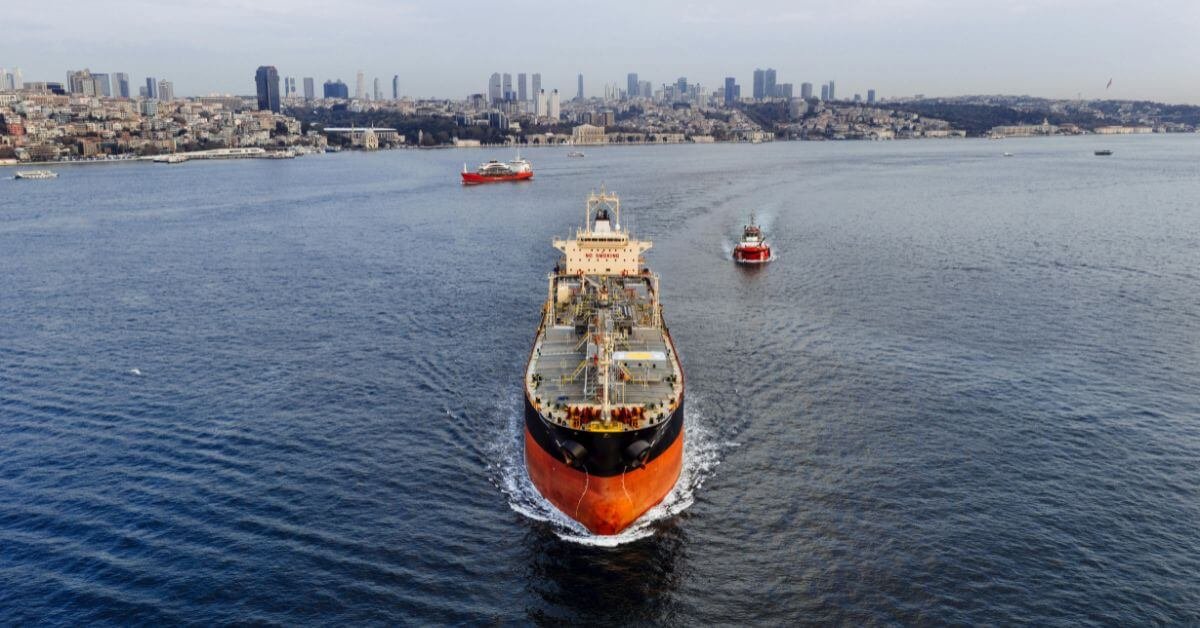
A Hong Kong court has sentenced the master of a mainland China-registered oil tanker to 14 months in prison after finding that his slow and negligent actions led to a fatal collision with a fishing boat, killing one person.
The accident happened in the early hours of 17 November 2024, when the oil tanker entered Hong Kong waters at around 4 a.m. while travelling to deliver fuel to Huizhou.
The tanker later collided with a local fishing vessel that was heading towards the Aberdeen Typhoon Shelter.
The collision caused the fishing boat to sink within minutes, throwing seven people into the sea. Six crew members were rescued, but the fishing boat’s captain went missing. His body was recovered nine days later, on 26 November, and he was confirmed dead.
The tanker’s master, Lin Shou-wen, aged 53, admitted guilt at the West Kowloon Magistrates’ Courts. He pleaded guilty to one count of endangering the safety of others at sea, relating to actions that put seven people at risk in Hong Kong waters.
While sentencing, the court said the captain’s response to the developing danger was too slow and described his behaviour as sustained and repeated negligence.
The court stressed that a ship’s master is directly responsible for the safe navigation of a vessel, especially in busy waters.
Court findings showed that the tanker had detected fishing boats in the area using radar and visual observation as it approached Hong Kong. Lin later admitted that he had seen the red navigation light of the fishing boat on the tanker’s starboard side but could not tell if anyone was on its deck.
Instead of slowing down or changing course, he tried to get the fishing boat crew’s attention by using a laser pointer. The tanker continued at speed and no early action was taken.
Only when the distance between the two vessels reduced to about 50 metres did he attempt to reverse the tanker and switch on extra lights. By then, the collision could not be avoided.
The court also noted that the tanker’s master did not sound an alarm until after the collision, which went against maritime safety rules.
Investigators found that the tanker was not following its planned route at the time. Lin had chosen to take a shortcut into Hong Kong waters.
The court also heard that a dedicated lookout had not been assigned, despite regulations requiring one. Lin reportedly said this was due to concerns about crew fatigue.
After the collision, the oil tanker remained at the scene and helped with rescue and search efforts. However, the court ruled that the accident and loss of life could have been avoided if the captain had acted earlier.
Maritime experts involved in the case stated that the captain should have relied properly on radar monitoring, visual lookout, and early collision-avoidance actions in accordance with international maritime rules.
The court concluded that the captain’s delayed decisions directly led to the fatal outcome.
References: Worldports, dimsumdaily
Disclaimer :
The information on this website is for general purposes only. While efforts are made to ensure accuracy, we make no warranties of any kind regarding completeness, reliability, or suitability. Any reliance you place on such information is at your own risk. We are not liable for any loss or damage arising from the use of this website.
Disclaimer :
The information on this website is for general purposes only. While efforts are made to ensure accuracy, we make no warranties of any kind regarding completeness, reliability, or suitability. Any reliance you place on such information is at your own risk. We are not liable for any loss or damage arising from the use of this website.
1. eBooks for Engine Department
Master machinery operations, troubleshooting, and safety procedures with expertly written guides tailored for marine engineers. Prevent costly breakdowns and onboard accidents through practical knowledge.
👉 Explore Engine Department eBooks
2. eBooks for Deck Department
Sharpen your seamanship, navigation, and cargo-handling skills with real-world case studies and practical insights designed for deck officers and cadets.
👉Discover Deck Department eBooks
3. eBooks on Electrical Fundamentals & Issues
Understand marine electrical systems, identify potential faults, and prevent onboard electrical failures with step-by-step explanations from industry experts.
4. Pocket Guides for Quick Reference
Compact, handy, and loaded with essential checklists—perfect for on-the-go reference during operations and emergencies at sea.
5. Combo Packs to Save Big
Access multiple expert eBooks at discounted prices. Ideal for professionals seeking complete safety and operational knowledge across various ship departments.
6. Digital Maritime Courses – Learn at Your Own Pace
Upgrade your competence with Marine Insight Academy’s online courses. Learn from industry professionals anytime, anywhere, and become a safer, smarter seafarer.
By subscribing, you agree to our Privacy Policy and may receive occasional deal communications; you can unsubscribe anytime.