Wärtsilä: All-Time High Operating Result And Cash ...
3 months ago

By Lucia Kassai
Jan 5, 2026 (Bloomberg) –Venezuelan oil exports — measure by ship loadings — fell to a 17-month low in December amid a US naval blockade designed to bring the illicit oil trade to a halt.
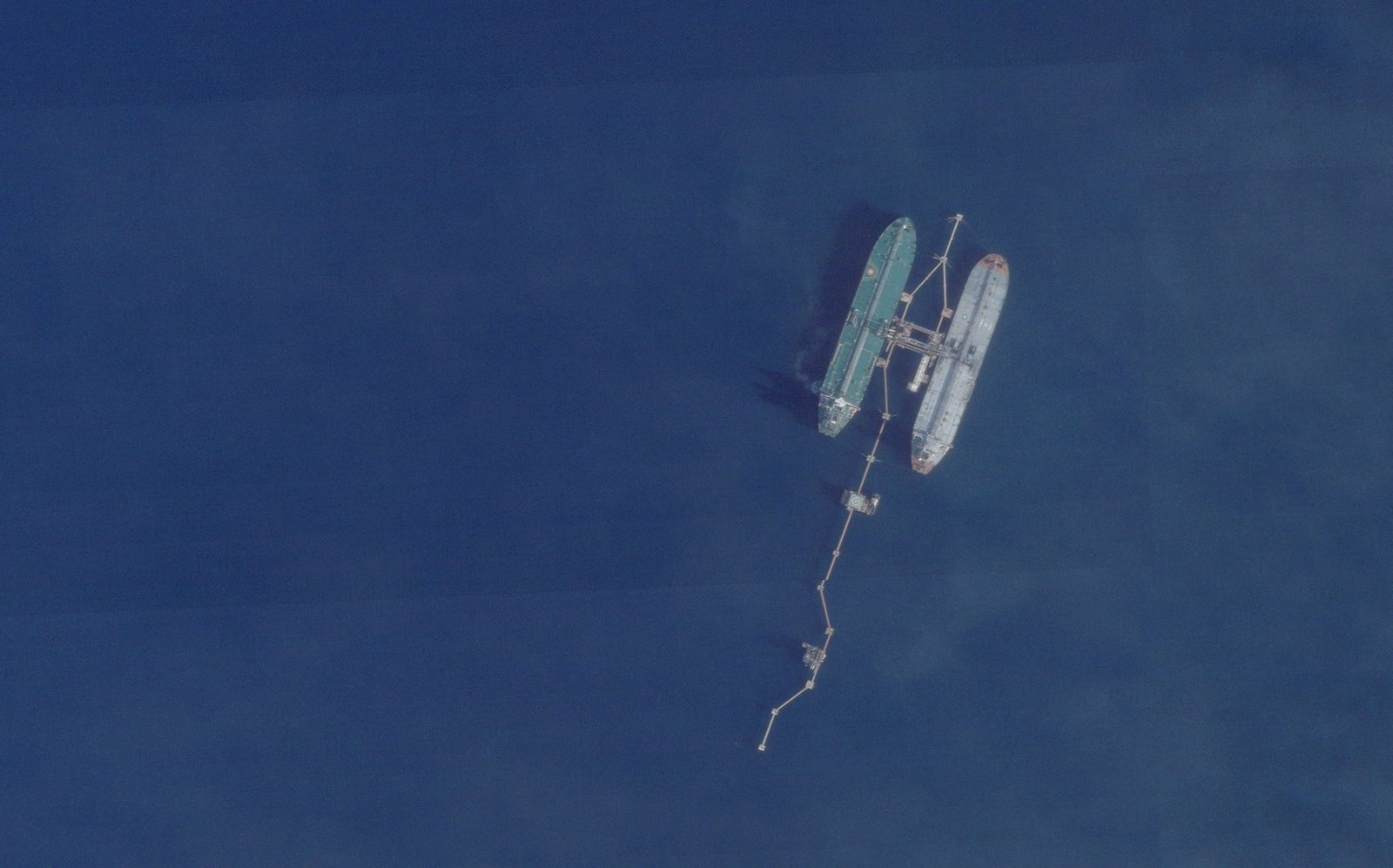
A closer look reveals the situation is far worse. While ships loaded 423,000 barrels a day, more than half of that volume never left Venezuelan waters, amid threats of seizure by US forces, according to shipping reports, data from Kpler and vessel movements tracked by Bloomberg.
It’s unclear when they will be able to depart for their final destination in China, as the US said the naval blockade remains in place despite the ouster of president Nicolas Maduro on Saturday. Together, they hold 7.33 million barrels. That compares to zero put in floating storage in November, the data show.
Click here for link to document with ship loadings and destinations.
| Destination | MoM Change | Dec. | Nov. | Oct. | Sept. |
|---|---|---|---|---|---|
| (Thousand barrels per day) | |||||
| China | 64 | 419 | 256 | 631 | |
| US | 123 | 181 | 155 | 130 | |
| Floating Storage | 236 | 0 | 0 | 0 | |
| All destinations | 423 | 600 | 428 | 815 | |
The amount of oil stuck near the coast is far from negligible. That’s nearly double the volume that was shipped to the US in December.
The ships stacking up arrived before Dec. 10, when the US launched a campaign of seizing sanctioned vessels with the capture of the sanctioned tanker Skipper. Since then, a second ship was boarded by US forces while a third one escaped.
Heavy US military presence in Caribbean waters prompted at least 12 ships to turn away from Venezuela. Some of those were sanctioned, while others are part of the ghost fleet of vessels that turn off or adjust their transponder signals to disguise their true location.
The last one seen u-turning was the sanctioned ship Leo, which loaded in Russia and reversed course on Dec. 22, days after the US apprehended the second tanker.
Unable to export some of its oil, staple of the Venezuelan economy, Petroleos de Venezuela SA was forced to shut in some wells in the Orinoco basin. Production dropped by 25% at the end of the year, compared with mid-December, according PDVSA data seen by Bloomberg.
© 2026 Bloomberg L.P.
Sign up for gCaptain’s newsletter and never miss an update