Wärtsilä: All-Time High Operating Result And Cash ...
3 months ago

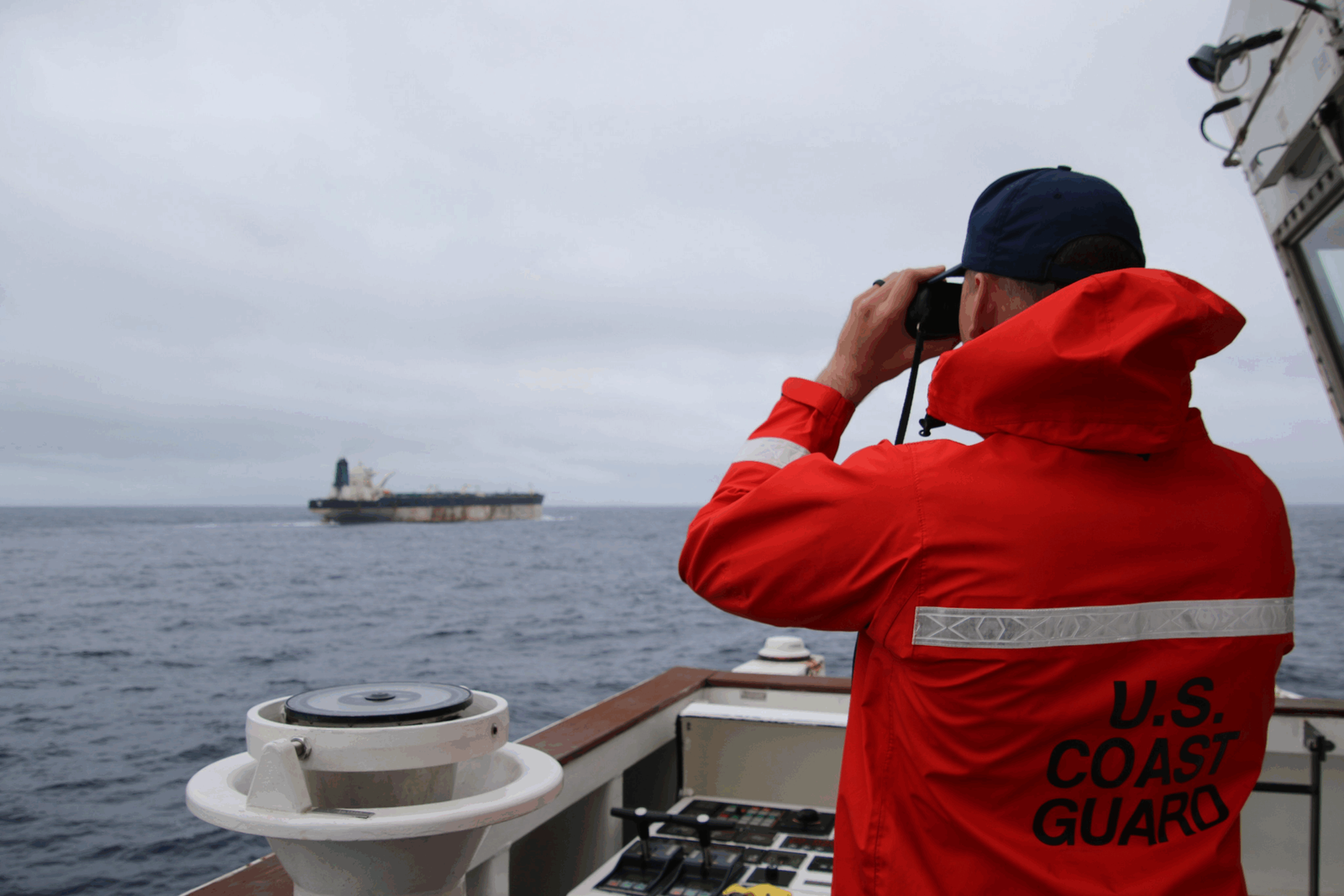
Back-to-back predawn raids signal escalation in U.S. crackdown on sanctioned “Ghost Fleet” tankers.
U.S. authorities have seized two sanctioned oil tankers in separate operations spanning the North Atlantic and Caribbean Sea, marking the most aggressive phase yet of Washington’s campaign against vessels accused of supporting illicit crude-oil networks linked to Venezuela.
Both ships had either recently departed Venezuela or were en route to the country, according to Department of Homeland Security Secretary Kristi Noem.
“In two predawn operations today, the Coast Guard conducted back-to-back meticulously coordinated boarding of two ‘ghost fleet’ tanker ships—one in the North Atlantic Sea and one in international waters near the Caribbean,” Noem said in a statement. “Both vessels—the Motor Tanker Bella I and the Motor Tanker Sophia—were either last docked in Venezuela or en route to it.”
Video of the seizures shared on social media shows U.S. forces descending onto the tankers’ decks by helicopter.
U.S. European Command confirmed the capture of the M/T Marinera—formerly known as Bella 1—in the North Atlantic following weeks of pursuit by the Coast Guard cutter Munro. “The vessel was seized in the North Atlantic pursuant to a warrant issued by a U.S. federal court after being tracked by USCGC Munro,” the command said.
The operation was supported by UK forces. “RFA Tideforce provided support for U.S. forces pursuing and interdicting the Bella 1, while the RAF provided surveillance support from the air,” the UK Ministry of Defence said in a statement.
The seizure of Marinera followed a dramatic chase that began December 20, when the tanker, then operating as Bella 1, refused Coast Guard orders to stop in the Caribbean and fled into the Atlantic. During the pursuit, the vessel attempted to evade capture by hastily reflagging to Russia and repainting its hull with a crude Russian flag, claiming protection under Moscow’s registry.
U.S. officials say the last-minute reflagging was irrelevant because the tanker was operating without a legitimate flag when first approached—rendering it effectively stateless under international law and subject to interdiction. The ship is not currently carrying oil.
“One of these tankers, Motor Tanker Bella I, has been trying to evade the Coast Guard for weeks, even changing its flag and painting a new name on the hull while being pursued, in a desperate and failed attempt to escape justice,” Noem said. “The heroic crew of the USCGC Munro pursued this vessel across the high seas and through treacherous storms—keeping diligent watch, and protecting our country with the determination and patriotism that make Americans proud.”
Hours later, U.S. Southern Command announced a separate pre-dawn operation in the Caribbean Sea, where the Department of War and the Department of Homeland Security apprehended the M/T Sophia “without incident.” The command said the ship was “operating in international waters and conducting illicit activities in the Caribbean Sea.”
“Through Operation Southern Spear, the Department of War is unwavering in its mission to crush illicit activity in the Western Hemisphere,” Southern Command said. “We will defend our Homeland and restore security and strength across the Americas.”
The Coast Guard is now escorting the M/T Sophia to the United States for final disposition.
Sanctions History
Bella I was formally blacklisted by the U.S. Treasury in June 2024 for its role in moving oil on behalf of networks tied to Hezbollah and Iran’s IRGC-Qods Force. Its registered owner was sanctioned under Executive Order 13224, the government’s primary counter-terrorism authority.
The Sophia, also known as the M Sophia (IMO 9289477), was sanctioned by the Treasury on January 10, 2025, as part of a sweeping crackdown on Russia’s “shadow fleet”—vessels used to move Russian crude despite Western restrictions. The Office of Foreign Assets Control linked the tanker to Sunne Co Limited, a designated company operating in Russia’s energy sector, and identified the M Sophia as blocked property.
Sophia was sanctioned alongside dozens of other “shadow fleet” tankers accused of helping Russia move oil above the G7 price cap through opaque ownership structures and high-risk shipping practices.
“The United States continues to enforce the blockade against all dark fleet vessels illegally transporting Venezuelan oil to finance illicit activity, stealing from the Venezuelan people. Only legitimate and lawful energy commerce—as determined by the U.S.—will be permitted,” Department of War Secretary Pete Hegseth tweeted Wednesday.
According to maritime tracking firm TankerTrackers.com, Marinera (Bella 1) transported more than 20 million barrels of Iranian and Venezuelan crude between 2021 and 2025, largely via ship-to-ship transfers bound for China, but is currently unladen. The firm said the M/T Sophia was carrying about 1.8 million barrels of Venezuelan crude and had “exfiltrated the blockade along with 15 other tankers right after Maduro’s arrest.”
The January 7 seizures bring the total number of tankers captured by U.S. law enforcement to four in less than a month. On December 10, authorities seized the VLCC Skipper, which was carrying 1.85 million barrels of Venezuelan crude, TankerTrackers said. Ten days later, the Centuries—a vessel not under sanctions—was apprehended with 1.83 million barrels aboard.
The enforcement surge follows the Trump administration’s announcement Tuesday night that Venezuela’s interim government has agreed to turn over between 30 million and 50 million barrels of sanctioned crude oil to the United States. President Trump said the oil would be “sold at its market price, and that money will be controlled by me, as President of the United States of America, to ensure it is used to benefit the people of Venezuela and the United States.”
Last month, the U.S. imposed a blockade on sanctioned tankers entering or leaving Venezuelan waters, effectively halting most exports except those carried by Chevron under a special government waiver.
The broader crackdown has frozen Venezuela’s oil exports, with state-run PDVSA halting loadings for its main Chinese customers for multiple consecutive days.
The operations mark a fundamental shift in U.S. maritime enforcement, with authorities now willing to pursue and seize sanctioned vessels in international waters despite diplomatic pushback. Russia’s formal protest over the pursuit of Marinera—delivered to the State Department on New Year’s Eve—appears to have had no effect on Washington’s determination.
With storage tanks at Venezuelan ports nearly full and PDVSA facing deeper production cuts, the transfer of tens of millions of barrels to the United States could ease immediate bottlenecks while redirecting Venezuelan oil flows away from Asia and into direct U.S. control for the first time in decades.
Sign up for gCaptain’s newsletter and never miss an update