Wärtsilä: All-Time High Operating Result And Cash ...
3 months ago

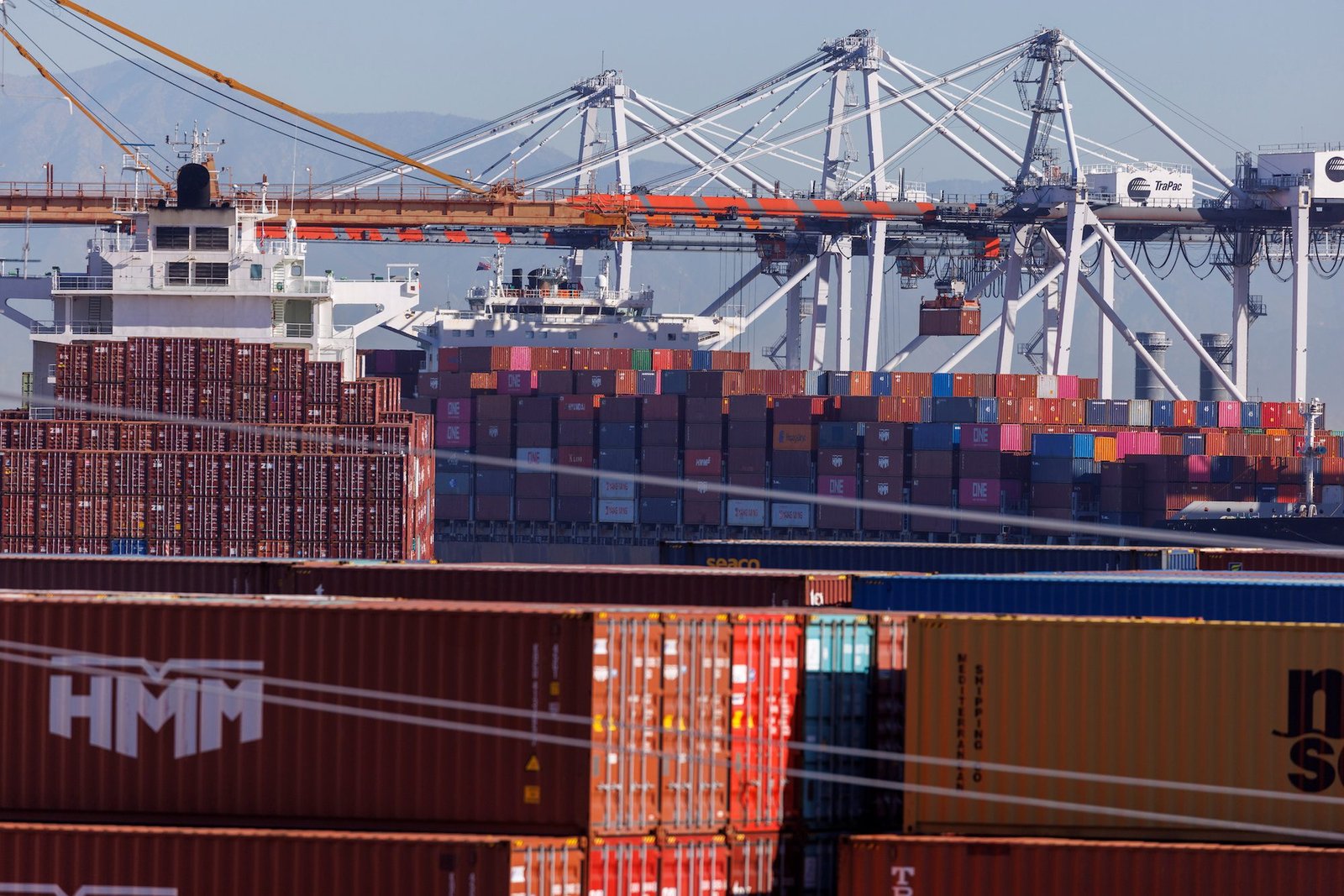
Global container shipping rates surged this week, with the Drewry World Container Index rising 16% to $2,557 per 40-foot container, driven largely by sharp increases on Transpacific and Asia-Europe trades.
Analysts at Drewry say the rally may prove short-lived, noting that the hikes appear to be opportunistic moves by carriers despite soft cargo demand.
The biggest gains were seen on China–North America routes. Spot rates from Shanghai to Los Angeles jumped 26% to $3,132 per container, while Shanghai–New York climbed 20% to $3,957. Asia–Europe lanes also recorded solid increases, with Shanghai–Genoa up 13% to $3,885 and Shanghai–Rotterdam rising 10% to $2,840.
The increases coincide with the rollout of higher Freight All Kinds (FAK) rates and a noticeable injection of capacity. Asia–North America services expanded 7–10% month-over-month, while Asia–North Europe and Mediterranean routes saw capacity growth of 5–7% in January. But forwarders report weak volumes out of Asia to the U.S., raising doubts about how long carriers will be able to hold the line on pricing.
The rate volatility comes as U.S. trade patterns continue to shift. The Descartes January Global Shipping Report shows U.S. container imports totaled 2.23 million TEUs in December, up 2% from November, but full-year 2025 volumes ended 0.4% below 2024 at 28.1 million TEUs.
China’s share of U.S. imports continued to slide. December volumes from China were down 21.8% year-over-year, with China accounting for just 31.7% of U.S. container imports — the lowest December share in six years. At the same time, Southeast Asian sourcing accelerated, led by Vietnam (+21.5%), Thailand (+28.3%), and Indonesia (+19.6%).
“For U.S. importers, 2025 was marked by volatility, uncertainty and slightly softening demand compared to 2024,” said Jackson Wood, Director of Industry Strategy at Descartes. “Global supply chains continue to face pressure from tariff uncertainty, uneven sourcing shifts, and elevated geopolitical risk tied to Venezuela developments and conflicts involving Russia, Ukraine, Israel, Hamas, and Iran.”
As 2026 begins, the container market remains fragile. With broader U.S.–China trade measures looming, tariff decisions pending, and Red Sea security risks unresolved, carriers may find it difficult to sustain the latest rate push if demand fails to recover.
Sign up for gCaptain’s newsletter and never miss an update