Wärtsilä: All-Time High Operating Result And Cash ...
2 months ago

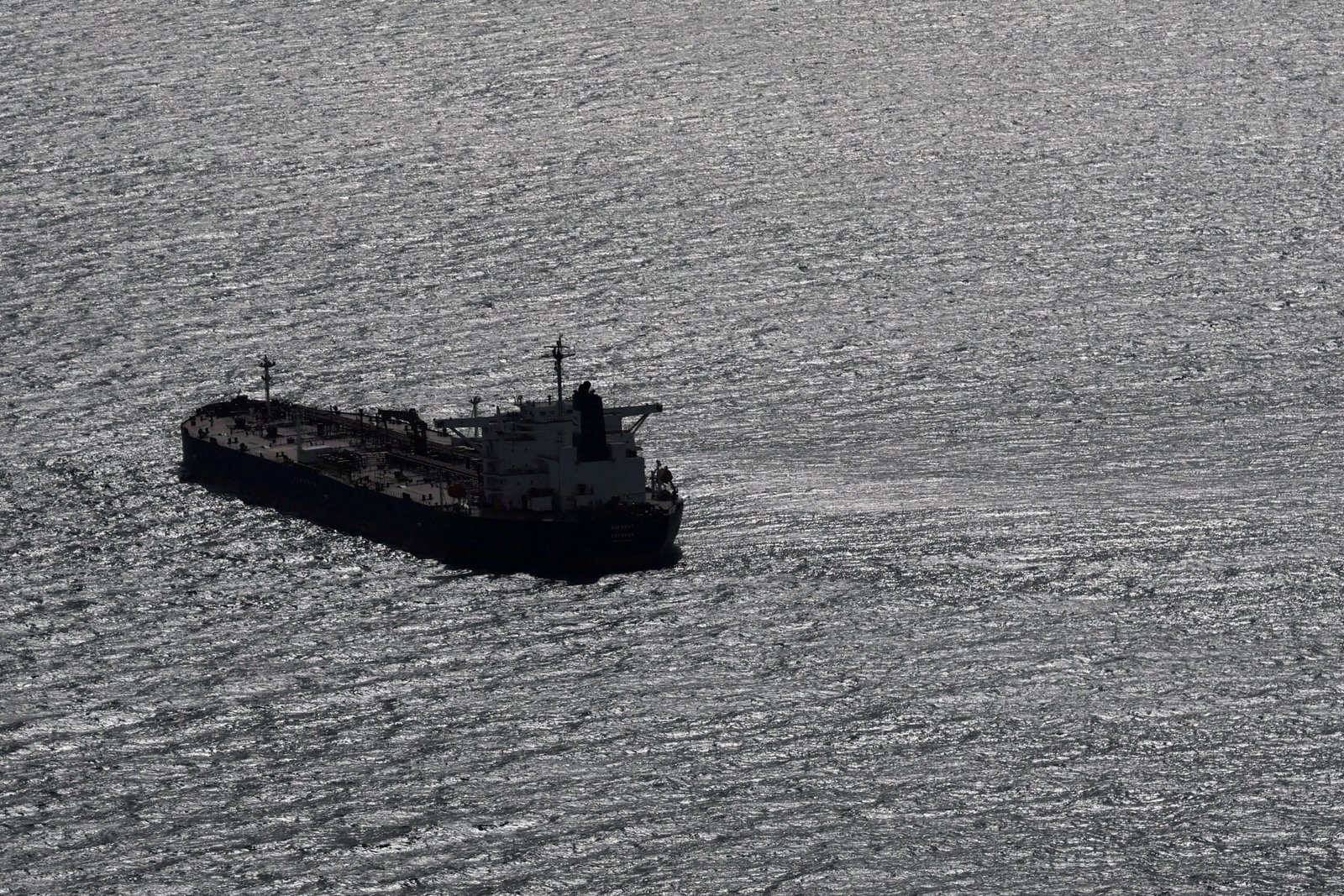
The European Union and the United Kingdom have tightened the screws on Moscow’s oil income, lowering the price cap on Russian seaborne crude to $44.10 per barrel, down from $47.60.
The new threshold takes effect 23:01 GMT on January 31 in the UK and February 1 across the EU, marking the latest effort by Western powers to restrict Moscow’s oil revenues while maintaining global supply flows.
The revised cap will apply to all services covered under the maritime services ban, “including maritime transportation and the provision, directly, or indirectly, of brokering services or financial services or funds, related to the maritime transport of Russian crude from a place in Russia to third countries or from one third country to another,” according to guidance from the UK’s Office of Financial Sanctions Implementation.
Recognizing the operational realities of the shipping industry, authorities have established wind-down provisions for existing contracts. Under UK rules, trades with an effective contract date before 23:01 GMT on January 31, 2026 that comply with the previous $47.60 cap will have until 22:59 BST on April 16, 2026 to complete. The EU has granted a 90-day execution period for contracts concluded under the previous cap, running from January 15, 2026.
The wind-down period covers all maritime transportation of crude oil and related services under the maritime services ban, not just cargo already in transit. However, any maritime transportation or related transactions occurring after the wind-down period at prices exceeding $44.10 would constitute a breach of UK sanctions.
For vessels facing exceptional circumstances, emergency provisions remain in place. Ships dealing with events “likely to have a serious and significant impact on human health or safety, infrastructure or the environment” should proceed to the nearest safe port outside Russian jurisdiction and notify OFSI within five working days.
The price cap regime originated from a G7-led initiative in late 2022 aimed at limiting Russian oil revenues while avoiding a full embargo that could destabilize global energy markets. Under the regime, EU and UK companies are prohibited from providing shipping, insurance, financing, or other maritime services for Russian oil sold above the cap.
The new cap operates through a dynamic formula designed to maintain the permitted price approximately 15% below the average Urals market price over a 22-week reference period. Importantly, the reduction does not affect existing caps on refined oil products, which remain at $100 per barrel for high-value products like diesel and petrol, and $45 for low-value products such as fuel oil.
Sign up for gCaptain’s newsletter and never miss an update