Wärtsilä: All-Time High Operating Result And Cash ...
2 months ago

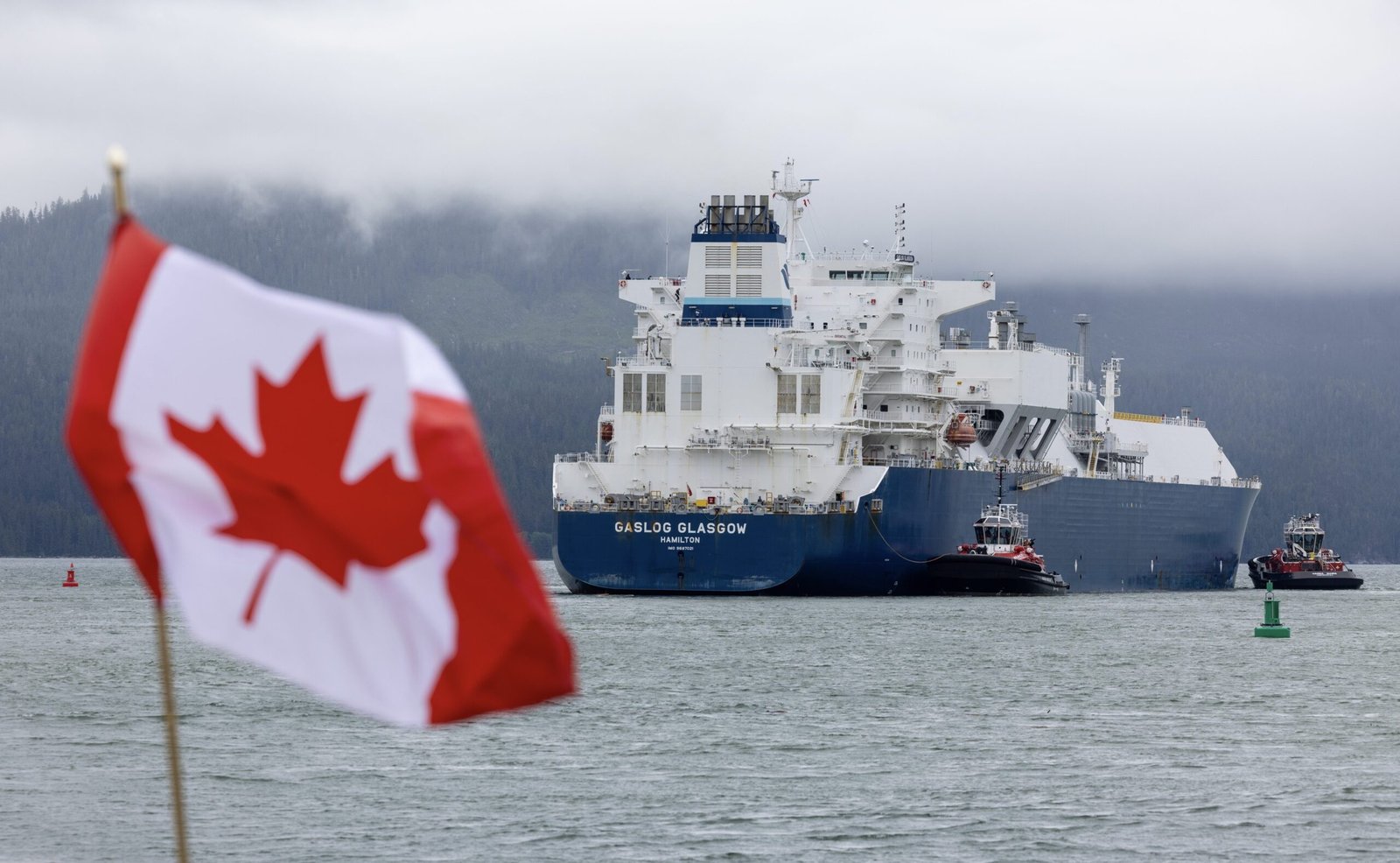
By Brian Platt (Bloomberg) — China and Canada are pushing to expand energy deals, with Prime Minister Mark Carney’s government looking to sell more oil and gas to the Asian economic power while courting Chinese investment in battery technology and renewable energy.
Carney unveiled a series of agreements during a visit to Beijing on Thursday, including a framework for energy trade. The document pledged to establish a ministerial dialogue, and to explore opportunities in oil, gas, nuclear and clean technology.
The Chinese government was “very clear they would like more Canadian energy products,” Natural Resources Minister Tim Hodgson told reporters in the Chinese capital.
Hodgson also said Canada is open to more Chinese investment in its energy projects, noting that an arm of China National Petroleum Corp. has a sizable stake in the massive LNG Canada export terminal, and other Chinese firms have holdings in Alberta’s oil sands.
“They desire to have more of our energy,” Hodgson said. “As long as they’re a responsible producer, we’re open to more investment from China.”
Canada’s move to deepen energy ties with China — and to openly court Beijing’s capital — represents a sharp break from the diplomatic chill of recent years. US President Donald Trump’s tariffs have spurred a rush for Canada to diversify its export markets, nudging the country closer to its second-largest trading partner.
Canada’s energy exports to China have already surged in recent years, with crude shipments jumping 84% in a single year after the opening of the expanded Trans Mountain pipeline, the country’s only conduit carrying bitumen to the west coast. Carney and Alberta Premier Danielle Smith are now pressing for another line to reach British Columbia’s tidewater.
China’s refiners have also shown greater interest in Canadian oil following the US capture of Venezuelan President Nicolas Maduro. Beijing had been the top buyer of Venezuela’s discounted, sanctions?hit crude, but its access is now uncertain as the US asserts control over the country’s oil flows.
Canada and China also unveiled on Thursday a general plan for closer trade ties, with a separate signed document that noted specifically that Canada “welcomes Chinese investments in Canada in areas such as energy, agriculture, consumer products and other sectors.”
But Hodgson and Industry Minister Melanie Joly emphasized that they’re particularly keen on attracting Chinese investment into renewable energy projects, and pointed to their meeting on Thursday morning with executives from battery giant Contemporary Amperex Technology Co.
CATL is already involved with battery storage projects in Canada’s electrical grid that turn “intermittent or renewable energy into base load energy,” Hodgson said. “If we can use that technology to help us get to net zero in a more affordable way, that’s good for Canada.”
Joly also floated the possibility of CATL building electric vehicle batteries in Canada. “These are exploratory discussions but we are willing to see what is feasible,” she told reporters. “We’re open for business when it comes to batteries.”
Neither minister would say whether Canada is willing to lower its 100% tariff on Chinese electric vehicles — one of the biggest trade irritants between the two countries. Canada imposed the levy in 2024, and it prompted China to retaliate with hefty duties on Canadian canola, seafood and pork.
Carney is set to meet Chinese President Xi Jinping on Friday with a goal of winning some relief from China’s duties on Canadian agricultural products, particularly canola. But any move by Ottawa to ease its EV tariffs risks backlash from Canadian automakers and might inflame tensions with Trump ahead of this year’s review of the US?Mexico?Canada Agreement.
Joly, who as Canada’s foreign minister labeled China an “increasingly disruptive global power” in 2022, said the goal now is to bring stability to the relationship between the two nations.
“You know what? The conversations here have been more predictable and stable than sometimes with other countries, including our neighbor,” she said. “So our goal has been to reach diplomatic agreements that are in Canada’s best interests.”
© 2026 Bloomberg L.P.
Sign up for gCaptain’s newsletter and never miss an update