Wärtsilä: All-Time High Operating Result And Cash ...
2 months ago

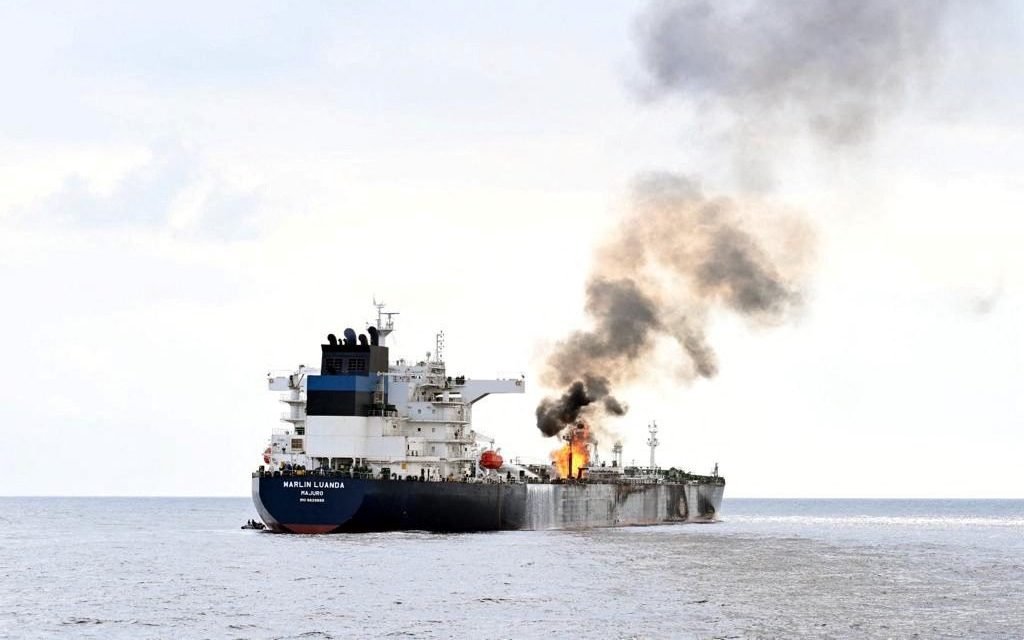
The U.S. Department of the Treasury has taken a major step in its campaign against Houthi financing by directly sanctioning ship captains who delivered petroleum products to Houthi-controlled ports, marking a significant escalation in enforcement efforts against individuals operating in the global maritime supply chain.
On January 16, the Treasury’s Office of Foreign Assets Control (OFAC) designated 21 individuals and entities and identified one vessel involved in supporting the Iran-backed Houthis, who have been conducting drone and missile attacks on commercial vessels in the Red Sea since late 2023. Among those sanctioned were six ship captains who continued delivering oil to Houthi-controlled ports even after regulatory deadlines expired.
“The Houthis threaten the United States by committing acts of terror and attacking commercial vessels transiting the Red Sea. Treasury is taking action to cut off nearly two dozen individuals and entities involved in transferring oil, procuring weapons, and providing financial services for this Iran-backed terrorist organization,” said Secretary of the Treasury Scott Bessent.”Treasury will use all tools at its disposal to expose the networks and individuals enabling Houthi terrorism.”
Captains Sanctioned After Grace Period Expires
The sanctions targeting vessel captains represent a deliberate strategy to hold maritime professionals personally accountable for their role in illicit trade networks. Following the designation of the Houthis as a Foreign Terrorist Organization in March 2025, OFAC issued a humanitarian general license allowing in-progress petroleum deliveries to northern Yemen ports through April 4, 2025. However, several vessels continued operations well beyond this deadline.
Ahmad Ismail, captain of the ALBARRAQ Z, was sanctioned for delivering oil products to Ras Isa port in July 2025, three months after the grace period expired. The vessel was operated by Albarraq Shipping Co and its sole director Ebrahim Ahmed Abdullah Al-Matari, both of whom were also designated.
Four additional captains of previously designated vessels faced sanctions for deliveries between April and June 2025. Ahmad Adriss captained the SARAH, which delivered Liquefied Petroleum Gas to Ras Isa in June. Ahmad Bseis commanded the oil tanker ATLANTIS MZ, which discharged gasoline at the same port that month. Ranveer Singh served as captain of the AKOYA GAS during an April cargo discharge, while Alexander Yurovich Pshenichnyy captained the VALENTE during a May gasoline delivery.
Building on Previous Captain Sanctions
This action builds on OFAC’s October 2024 sanctions, which included two vessel captains—Iranian national Ali Barkhordar and Pakistani national Wahid Ullah Durrani—for facilitating ship-to-ship transfers of Iranian oil. Those designations brought the total to at least six ship captains sanctioned by OFAC for their roles in illicit operations, signaling the United States’ intent to target not just corporate entities but individual mariners overseeing illicit shipments.
The last Houthi attack on commercial shipping in the Red Sea occurred more than three months ago. Yet the Suez Canal remains well below capacity, even as shipping companies begin testing a return to the region. According to BIMCO, traffic in early January was still running about 60% lower than pre-crisis levels. The maritime industry continues to wrestle with lingering security fears and economic uncertainty.
Broader Network Disrupted
Beyond the maritime enforcement, Treasury’s latest action dismantled multiple components of the Houthis’ financial infrastructure. The designations targeted oil companies and financial facilitators that generate over $2 billion annually for the Houthis through illicit oil sales. Iranian-owned or affiliated companies based in Dubai facilitate these transactions, with the Iranian government both selling oil and providing free monthly shipments to the Houthis.
The action also addressed weapons procurement networks, including Wadi Kabir Co. for Logistics Services, which attempted to smuggle 52 Kornet anti-tank guided missiles hidden in fake electric generators from Oman to Yemen in 2022. Additionally, two Houthi-affiliated airlines, Barash Aviation and Cargo Company Limited and Sama Airline, were sanctioned for attempting to purchase commercial aircraft in early 2025 through partnerships that included convicted arms dealer Viktor Anatolijevitch Bout.
Sanctions Implications for Maritime Industry
The designations carry severe consequences for the global maritime sector. All property and interests in property of designated persons in the United States or under U.S. persons’ control are blocked and must be reported to OFAC. Foreign financial institutions face potential secondary sanctions for knowingly facilitating significant transactions on behalf of designated persons.
The latest action shows Treasury’s commitment to pursuing individual accountability throughout illicit supply chains, sending a clear message to maritime professionals worldwide that participation in sanctioned activities carries personal legal and financial consequences.
As enforcement intensifies, vessel captains and shipping companies must exercise heightened diligence in vetting cargo destinations and beneficial ownership to avoid running afoul of U.S. sanctions regimes.
Sign up for gCaptain’s newsletter and never miss an update