Wärtsilä: All-Time High Operating Result And Cash ...
4 months ago

By Paul Morgan (gCaptain) – The Black Sea has entered a far more dangerous phase for commercial shipping after drone attacks struck Greek-managed oil tankers close to Russia’s most important crude export gateway, sending insurance costs higher and forcing operators to reassess the risks of operating in one of the world’s most strategically sensitive energy corridors.
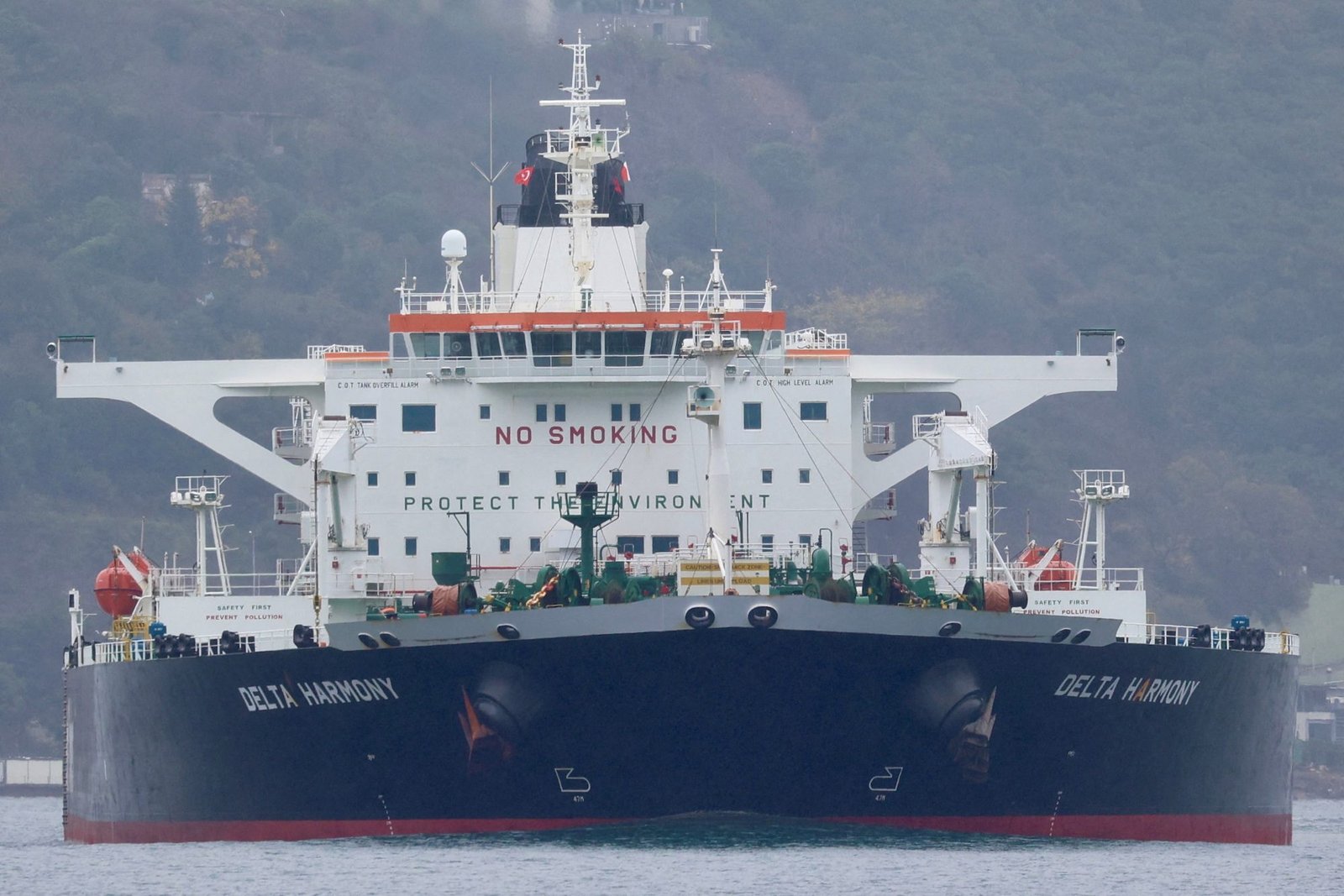
The incidents occurred near the Caspian Pipeline Consortium export terminal off Novorossiysk, where CPC Blend crude from Kazakhstan is loaded for shipment to global markets. At least two tankers, Matilda and Delta Harmony, were confirmed hit by drones while waiting to load or manoeuvring near the terminal area. No crew were injured, and the damage was reportedly contained, but the attacks marked a significant escalation in the direct targeting of commercial vessels linked to energy exports.
Early reports suggested as many as four Greek-managed tankers may have been struck or targeted, with vessel names including Delta Supreme and Freud circulating in shipping and security circles. Subsequent confirmations narrowed the list of vessels definitively hit, but the broader message to the industry was unmistakable, ships operating near Russian Black Sea ports are now exposed to asymmetric attack in a way not previously seen at this scale.
For Greece, which manages the world’s largest tanker fleet, the response was swift. Athens issued a formal advisory warning shipowners and managers to update onboard security measures, restrict non-essential deck movement near Russian ports and reassess voyage risk protocols. The guidance reflects a shift in threat perception, treating port approaches, anchorages and waiting areas as high-risk zones where drones can be launched with little warning.
The attacks sit at the intersection of commercial shipping and geopolitics. Russia’s defence ministry blamed Ukraine for at least one of the strikes, while initial reports described the drones as unidentified. Regardless of attribution, the effect on shipping has been immediate. War-risk insurance premiums for Black Sea voyages jumped within days, with underwriters repricing coverage more frequently and in some cases on a voyage-by-voyage basis. For high-value tankers, even small percentage increases translate into substantial additional costs.
What makes the incidents particularly significant is the location. The CPC terminal near Novorossiysk is not just another export point. It handles the majority of Kazakhstan’s crude exports and accounts for roughly 1.5 percent of global oil supply. Disruption, or even perceived instability, at this node has consequences far beyond the Black Sea, influencing crude pricing, trading behaviour and tanker deployment worldwide.
Shipping executives say the risk calculus has changed. Tankers waiting at anchor, often for days, present predictable targets. Unlike vessels in open transit, their position and movements are easily monitored. Even limited drone damage can trigger lengthy inspections, port delays and insurance complications, undermining the economics of a voyage. For charterers and cargo owners, uncertainty around port access and loading windows adds another layer of commercial risk.
The incidents also underline how modern conflicts are reshaping maritime risk. Drones are relatively cheap, difficult to detect and hard to defend against without military-grade countermeasures. Their use against commercial shipping mirrors patterns seen in the Red Sea, where Houthi attacks forced a mass rerouting of global trade. The difference in the Black Sea is proximity, vessels are operating close to shore, near critical infrastructure, in an environment saturated with military assets and intelligence activity.
For ports and terminals, the implications are troubling. Heightened security posture can slow pilotage, delay berth allocation and complicate tug and mooring operations. Authorities may impose tighter controls on vessel movements, reducing operational flexibility at facilities designed for high-volume, continuous throughput. Any slowdown at CPC reverberates through the oil market, particularly for Kazakhstan, which relies heavily on the route and has already voiced concern over the security of its export lifeline.
From an industry perspective, the attacks reinforce a harsh reality. The boundary between war zones and commercial trade is eroding. Tanker operators have spent the past year adapting to Red Sea disruptions, sanction enforcement and shadow-fleet competition. The Black Sea now joins that list of volatile theatres where routine commercial decisions carry strategic risk.
Some owners are already reassessing exposure. Chartering desks report increased scrutiny of Black Sea fixtures, tighter contractual language around force majeure and war-risk allocation, and greater insistence on indemnities where port calls near Russian export hubs are unavoidable. Insurers, meanwhile, are signalling that premiums could rise further if attacks continue or spread.
The strikes did not halt CPC exports outright, and flows have continued. But confidence has been shaken. For a market that depends on predictability and scale, even a handful of drone attacks can have outsized impact, not through physical damage, but through cost, caution and delay.
The Black Sea remains open for business, but it is no longer business as usual. For shipowners, charterers and cargo interests, the message from Novorossiysk is clear. Energy shipping is now firmly in the crosshairs of modern conflict, and managing that risk will be as critical in 2026 as managing fuel costs or emissions compliance.
Sign up for gCaptain’s newsletter and never miss an update