Wärtsilä: All-Time High Operating Result And Cash ...
2 months ago

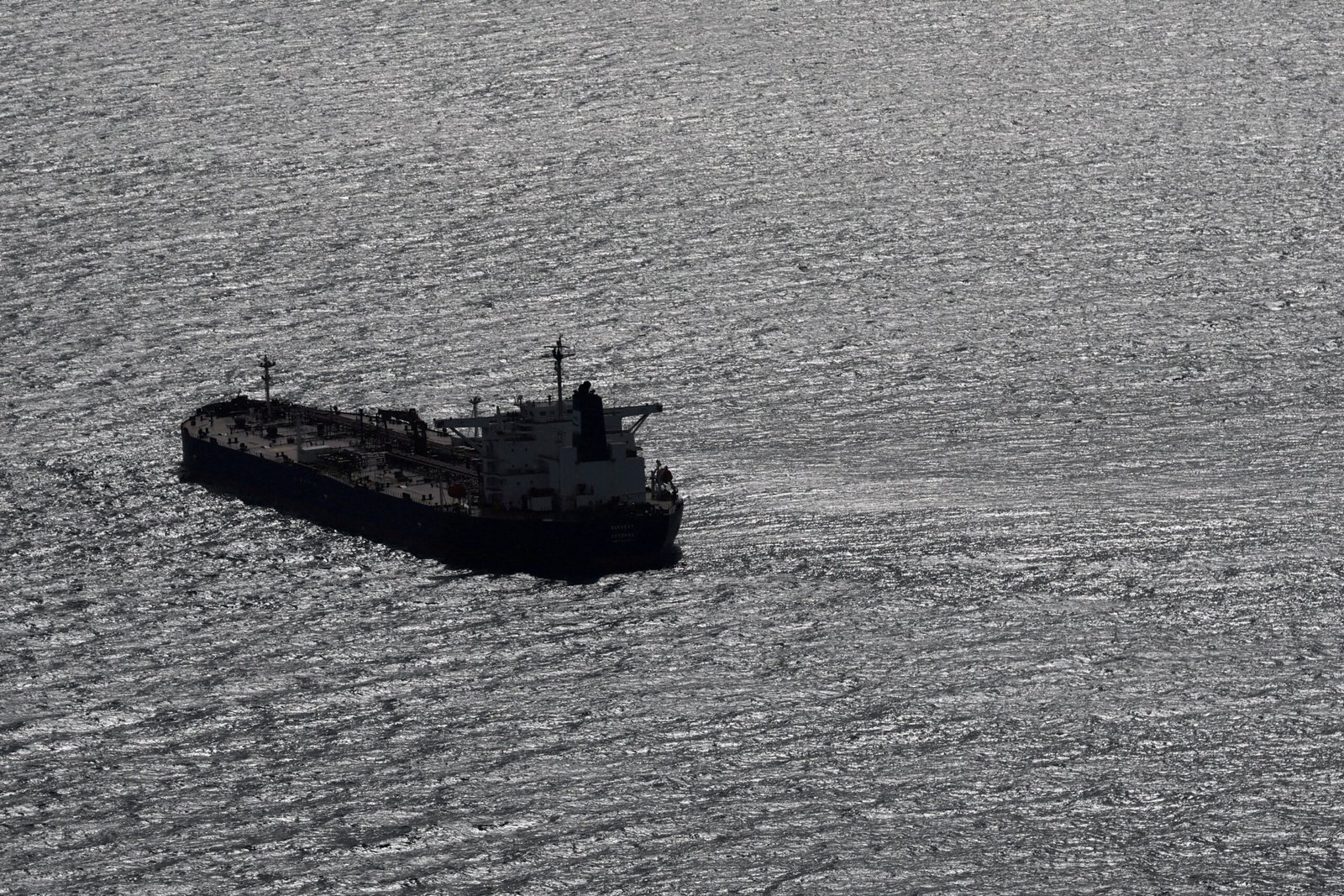
Fourteen European nations have issued a rare joint warning to the global maritime industry, demanding strict compliance with international navigation safety standards and maritime law — a coordinated move aimed squarely at tightening the noose around Russia’s shadow tanker fleet while confronting escalating satellite navigation interference across European waters.
The unprecedented directive, delivered in a formal letter, was signed by the coastal states of the Baltic and North Seas — Belgium, Denmark, Estonia, Finland, France, Germany, Latvia, Lithuania, the Netherlands, Norway, Poland, Sweden, and the United Kingdom — along with Iceland. It was addressed to flag and port states, maritime authorities, classification societies, shipping companies, and seafarers.
At the heart of the letter is growing alarm over widespread interference with satellite navigation systems in European waters — particularly in the Baltic Sea.
“Modern maritime transport is fundamentally built on the reliability of satellite-based navigation,” the nations wrote, warning that escalating disruptions pose a direct and immediate threat to maritime safety.
“We are now facing new emerging safety situations due to growing GNSS interference in European waters, particularly in the Baltic Sea region,” the letter states. “These disturbances, originating from the Russian Federation, degrade the safety of international shipping. All vessels are at risk.”
The countries stressed that satellite navigation is not simply a technical convenience but a foundational safety requirement, critical for ship positioning, collision avoidance, and time synchronization within the Global Maritime Distress and Safety System.
They also warned against manipulation of the Automatic Identification System (AIS), noting that “spoofing or falsifying AIS data undermines maritime safety and security, increases the risk of accidents, and severely hampers search and rescue operations.”
The directive sets out thirteen mandatory compliance measures for vessels operating in the Baltic and North Seas, including strict adherence to flag state documentation, continuous operation of AIS and LRIT systems, compliance with IMO ship routing schemes, and mandatory reporting requirements.
On January 22, French naval forces boarded and seized the Russian oil tanker MT Grinch in the Mediterranean under Article 110 of the UN Convention on the Law of the Sea, citing suspicions the vessel was sailing under a false flag. President Emmanuel Macron explicitly linked the seizure to the war in Ukraine, stating that “the activities of the ‘shadow fleet’ contribute to financing the war of aggression against Ukraine.”
Among the most consequential provisions, the nations warned that vessels sailing under multiple or unclear flags “may be treated as a ship without nationality,” invoking UNCLOS Article 92 — language that opens the door to aggressive inspections, detentions, and seizures.
The letter also tightens oversight of ship-to-ship transfers, requiring prior notification to coastal states — a key pressure point for shadow fleet operations designed to obscure cargo origins.
The UK signature was provided by Parliamentary Under-Secretary of State for Aviation, Maritime and Decarbonisation Keir Mather MP.
The European push aligns with recent U.S. enforcement actions signaling a shift toward kinetic sanctions enforcement.
Just two days before France’s seizure of Grinch, U.S. military forces boarded and seized the sanctioned tanker Sagitta in the Caribbean as part of Operation Southern Spear. The vessel had been blacklisted earlier this month for moving Russian crude above the G7 $60 price cap before pivoting to Venezuelan fuel oil shipments.
Germany added further momentum two weeks ago by denying Baltic Sea access to the tanker Tavian, citing forged identifiers and documentation deficiencies typical of sanctions evasion. Following a federal police inspection, the vessel was forced to reverse course toward the Norwegian Sea.
Meanwhile, the EU’s December sanctions package pushed the total number of ships barred from European ports and services to nearly 600.
Ukrainian President Volodymyr Zelenskyy praised France’s seizure of Grinch, calling it “exactly the kind of resolve needed to ensure that Russian oil no longer finances Russia’s war,” and publicly questioned whether the confiscated cargo should be seized and sold.
The message from Brussels, Washington, and allied capitals is increasingly clear: sanctions enforcement is shifting from paperwork to physical interdiction — fundamentally reshaping the risk calculus for operators of Russia’s global shadow fleet.
Sign up for gCaptain’s newsletter and never miss an update