Euroseas secures 60% rate jump for boxship after c...
11 hours ago

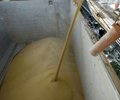
At least three soybean cargoes have been discharged at Thailand’s Koh Sichang port but are unable to clear customs, as uncertainty over import tariff rates and quota allocations continues to paralyze trade, multiple traders and a Thai feed miller told Platts, part of S&P Global Energy, Jan. 26.
A spokesperson for Thai Feed Mill Association confirmed that “all soybeans cannot be imported to Thailand since Jan. 1, 2026,” and stated that they were waiting for a further decision by the Thai cabinet while 200,000 mt of soybean cargo was “still waiting on the port.”
A Singapore-based grains and oilseeds trader said three cargoes had been discharged to barges at a Thai port, two for a crushing plant and one for the Thai Feed Mill Association but had been held up in customs.
A Thai cabinet meeting scheduled for Jan. 27 is expected to address the stalled import‑license issue and potential emergency resolution measures, a decision that will determine whether the soybean supply chain can resume normal flow or remain constrained for weeks.
The urgency is heightened by the expectation of another three soybean cargoes arriving in February, which could compound congestion if regulatory permissions are not restored, according to a Thai soybean importer source.
Downstream operations have been affected, with soybean crushers and feed millers having suspended sales and deliveries, according to a second Singapore-based trader. The trader added that he had received inquiries for soybean meal, a key product of the soybean crushing process and a critical ingredient in animal feed.
The uncertainty over the import duties has “created chaos and [caused] the price of soybean meal to go up to Baht 16.1/kg ($520/mt) now from Baht 14.25/kg in the first half of January,” said a Thai grains and oilseeds trader.
Since the dissolution of its parliament Dec. 11, Thailand has been under the stewardship of a caretaker government, which does not have the authority to make policy decisions, including the 2026 quota for duty-free imports of soybeans and tariffs on soybean meal imports, as reported previously by Platts.
Without a new government decree, the default World Trade Organization-bound tariff rates automatically apply to soybean imports. An initial quota of 10,922 mt can be imported at a 20% duty, and any imports exceeding that volume will thereafter be taxed at 80%, according to the US Soybean Export Council.
This spells hefty costs for Thai crushers, given that Thailand produces only 50,000-60,000 metric tons/year of soybeans, according to the US Department of Agriculture’s Foreign Advisory Service.
Thailand operates four major soybean crushing plants with a combined daily capacity of 12,500 mt, but they have been running at only about 70% utilization, according to USDA FAS.
Nationally, buyers are still holding one to one and half months’ worth of stocks, but a resolution to the import licenses and quotas is sorely needed by the end of January, said a Thai soybean crusher.
Source: Platts