Wärtsilä: All-Time High Operating Result And Cash ...
3 months ago

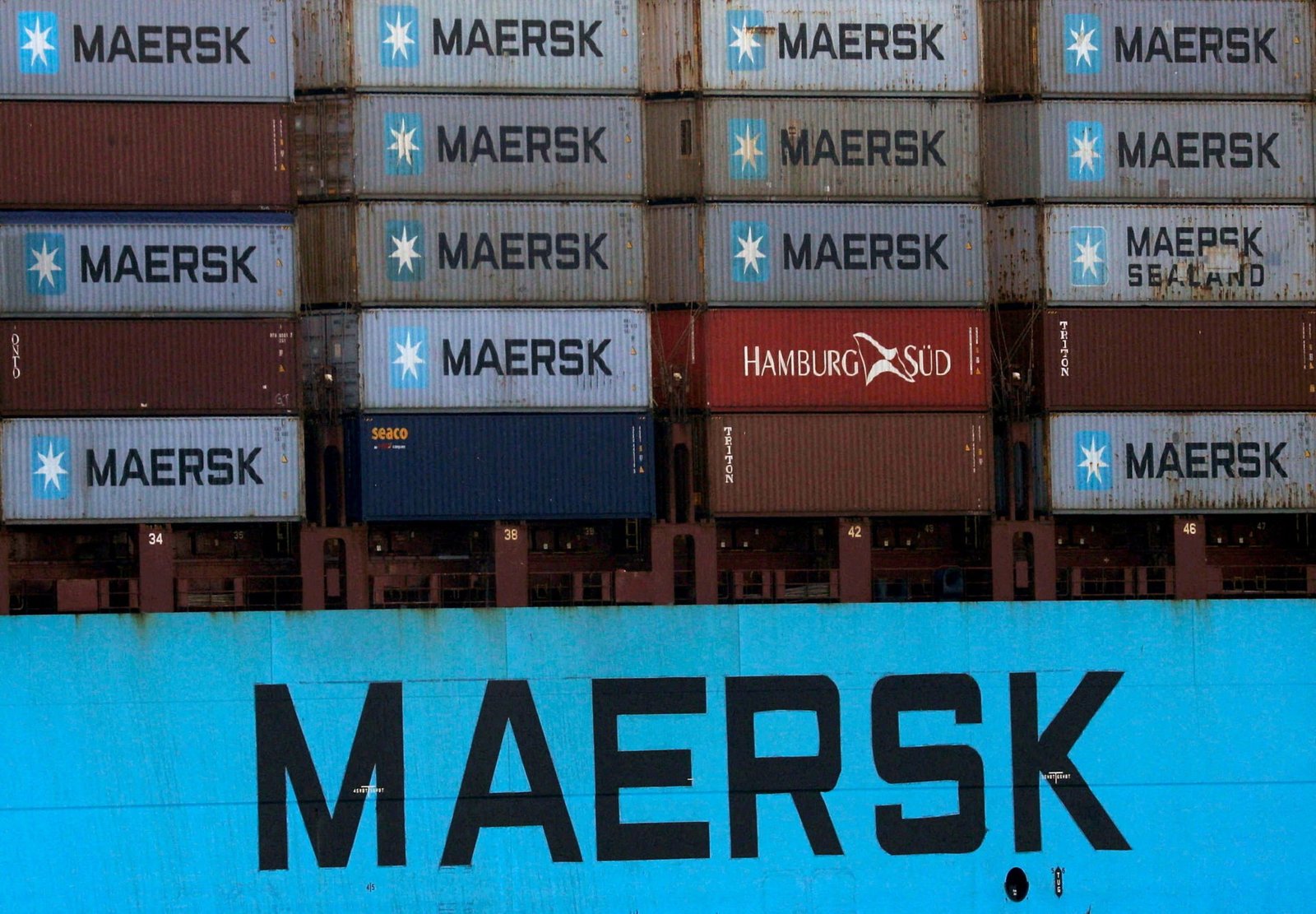
Maersk and Hapag-Lloyd have announced the first structural return of a Gemini Cooperation service to the Red Sea, marking a cautious step toward restoring traffic through one of the world’s most disrupted maritime corridors.
Beginning in mid-February 2026, the ME11 service will resume transits via the Red Sea and the Suez Canal. Westbound sailings will start with the Albert Maersk (voyage 605W), departing Mundra on February 4, while eastbound transits begin with the Astrid Maersk (voyage 605E), sailing from Valencia on February 3.
The move represents a carefully calibrated bet on improving security conditions after more than two years of widespread diversions. Since late 2023, attacks by Iranian-backed Houthi forces have cut Red Sea traffic by roughly 60 percent, forcing most liner operators to reroute vessels thousands of miles around the Cape of Good Hope.
For shippers on ME11, the gains are meaningful—but uneven. Westbound transit times from Salalah to Port Said will be reduced by 19 days, while eastbound voyages from Valencia to Salalah will be shortened by seven days. No improvement is expected on the Salalah–Valencia leg, highlighting the ongoing complexity of re-optimizing Asia–Europe networks.
Both carriers stressed that safety remains non-negotiable. “The safety of the crew, the vessels, and customers’ cargo remains the highest priority,” the companies said, adding that enhanced security measures and contingency plans remain in place. The continued Cape routing of the Maersk Cleveland underscores that this is not a full return, but a hedged approach.
Further changes remain conditional. Maersk and Hapag-Lloyd said any additional Gemini services—such as AE12 or AE15—will only shift back to the Red Sea if stability holds and regional tensions do not escalate.
The ME11 decision follows Maersk’s mid-January restoration of its MECL service through Suez, after successful trial transits by the Maersk Sebarok and Maersk Denver. That move was widely seen as a tentative turning point—though one that quickly highlighted the sector’s lingering uncertainty.
Just days later, rival CMA CGM reversed course, rerouting three Asia-Europe services back around the Cape, citing “the complex and uncertain international context.”
Xeneta senior analyst Destine Ozuygur summed up the dilemma facing carriers and customers alike. “Shippers crave predictability in supply chains,” she said, warning that repeated reversals—even when driven by safety concerns—risk eroding confidence in schedule reliability. “Unpredictability is toxic for supply chains.”
The crisis began on November 19, 2023, when Houthi forces seized the Galaxy Leader off Yemen. More than 100 merchant vessels were subsequently targeted, with four ships sunk, one seized, and at least eight seafarers killed. Before the attacks, the Suez Canal handled roughly 12 percent of global seaborne trade and processed around 80 containerships per week.
A Gaza ceasefire in October 2025 and a subsequent lull in attacks offered cautious optimism. By the week ending January 11, 2026, 26 containerships transited the canal—the highest weekly total in more than a month, though still well below historical norms.
Launched on February 1, 2025, the Gemini Cooperation is Maersk and Hapag-Lloyd’s long-term vessel-sharing alliance, designed around a hub-and-spoke model on East–West trades. The network combines roughly 290–340 vessels with total capacity of about 3.4–3.7 million TEUs.
For Egypt, the stakes are high. Canal tolls remain a critical source of foreign currency, and Suez Canal Authority chairman Admiral Ossama Rabiee has forecast a return to normal traffic levels by the second half of 2026.
As Drewry analyst Philip Damas has noted, the pace of any return to Suez will be one of 2026’s key swing factors for capacity, freight rates, and congestion—closely tied to insurance costs, competitor behavior, and regional security risks.
Maersk has long argued that the Red Sea route via Bab el-Mandeb is “the fastest, most sustainable and most efficient” link between Asia and Europe. After nearly 800 days of Cape diversions, the ME11’s return will test whether that claim can once again hold operationally—or whether the world’s most important maritime shortcut remains a gamble carriers are only willing to take one service at a time.
Sign up for gCaptain’s newsletter and never miss an update