Wärtsilä: All-Time High Operating Result And Cash ...
3 months ago

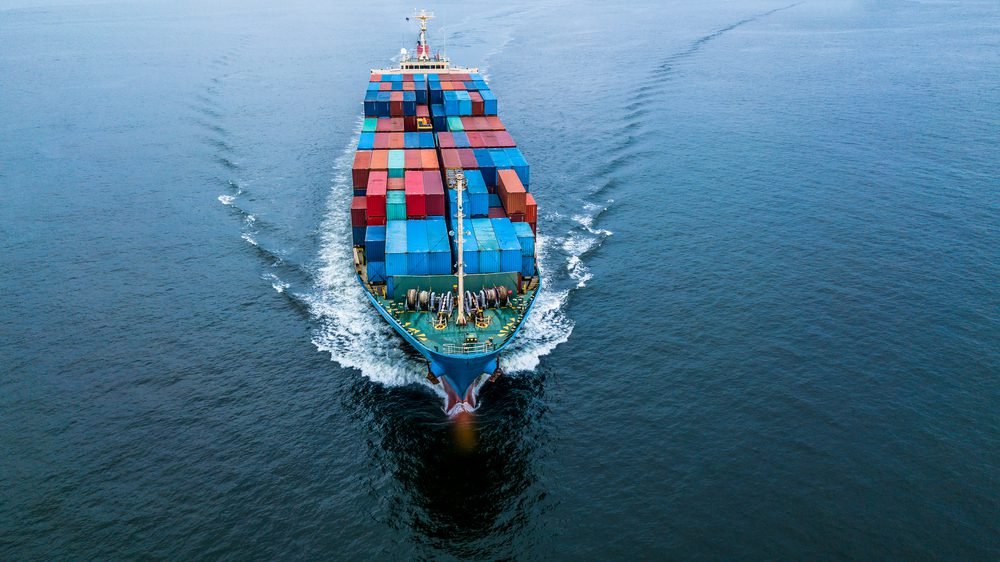
India has formally launched the Bharat Container Shipping Line (BCSL), a new joint venture aimed at carving out a national presence in global container shipping and reducing the country’s heavy reliance on foreign carriers.
The initiative brings together a mix of state-owned shipping, rail, port, and finance entities, with a memorandum of understanding signed by The Shipping Corporation of India (SCI), Container Corporation of India (CONCOR), Jawaharlal Nehru Port Authority (JNPA), V.O. Chidambaranar Port Authority, Chennai Port Authority, and Sagarmala Finance Corporation. Senior government officials attended the signing, underscoring the political weight behind the project.
India’s Ministry of Ports, Shipping and Waterways described the launch as a step toward improving cargo security, boosting containerisation, and expanding the footprint of Indian-flagged vessels. The longer-term ambition is bold: to grow BCSL into one of the world’s top 10 container lines by 2047.
SCI called the agreement a “historic moment for Indian shipping,” framing it as part of the government’s broader push to build a globally competitive domestic maritime ecosystem under the banner of economic self-reliance.
At the ceremony, Railways Minister Ashwini Vaishnaw said a “decades-old dream” was being realized, pointing to a 10,000 crore (US$1.1 billion) budget allocation for container manufacturing intended to support a domestic container supply chain.
BCSL’s launch fits into a much wider maritime strategy. Earlier this year, India approved $5.4 billion in shipbuilding support, including direct subsidies and yard infrastructure funding. Despite those ambitions, India currently ranks around 20th globally in shipbuilding, accounting for just 0.06% of world output. Officials have set targets to reach the global top 10 by 2030 and the top five by 2047.
The economic case is clear. India spends an estimated $70–75 billion each year on foreign shipping services, while only about 7% of Indian-owned vessels are built at home. Officials have likened the container push to a “Maruti moment” for shipping—invoking the transformation of India’s auto industry from import dependence to domestic production in the 1980s.
Timing also plays a role. New trade agreements with the European Union and the United States are expected to drive a sharp rise in container volumes. The India–EU deal finalized in January removes or cuts tariffs on the vast majority of traded goods, while a separate US–India agreement could significantly lower tariffs in exchange for large-scale energy and commodity purchases.
Analysts say these deals could support new direct deep-sea services linking India with Europe and North America, reducing reliance on East Asian transshipment hubs and strengthening India’s position as an alternative manufacturing base to China.
For the container shipping industry, BCSL represents another state-backed entrant in an already crowded market. With political backing and significant infrastructure spending behind it, India is signaling that container shipping is now viewed as a strategic industry that the country is no longer willing to outsource.
Sign up for gCaptain’s newsletter and never miss an update