BW and Scorpio back Cadeler’s fresh capital raise ...
4 hours ago

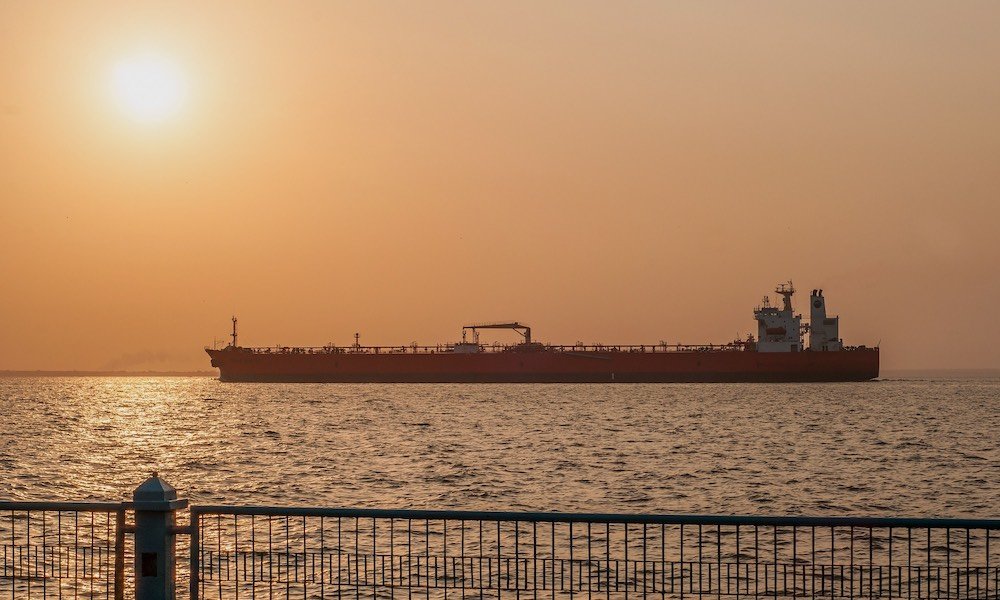
Russia’s shadow tanker fleet faces greater pressure, although it is forecast to rise in numbers, if the European Commission’s proposed a 20th sanctions package gets voted through later this month.
Europe plans to scrap the crude oil price cap and replace it with a full ban on maritime services linked to Russian crude exports.
A maritime services ban will preclude the involvement of European-linked ships from lifting Russian crude oil. EU-owned tankers shipped 35% of Russian oil in January, according to data from analytics firm Windward. The ban also means no European company will be able to provide insurance to ships lifting Russian crude oil. If the UK follows suit, deemed very likely, almost all International Group P&I would be off limits.
Analysts at SEB, a Scandinavian bank, said Europe’s plans would increase Russia’s dependence on the shadow fleet and demand even more vessels to serve its oil exporting needs, which could further support asset values on older tankers and effectively reduce the compliant fleet.
If Russia is to maintain its crude exports at January 2026 levels, analysis by broker Braemar posits that Russian crude oil will nominally require an additional 17 suezmax and 22 aframax/LR2 tankers to be pulled into the shadow fleet from the compliant fleet,.
“If implemented, the EU proposal, which followed consultations with the US, would put significant additional pressure on the Kremlin. The Russians would become almost completely reliant on the dark fleet,” suggested experts at tanker broker Poten & Partners in their latest weekly report.
The double whammy for Russian oil exports comes from the trade pact the US and India have forged this month, which sees New Delhi cut its Russian crude purchases in favour of US, and potentially Venezeulan, supplies.
“India will buy more oil from non-sanctioned suppliers, which will create more employment opportunities for the mainstream fleet. Switching from Russian barrels (mostly Urals) to crude oil from the Middle East or the Atltantic Basin will create more employment opportunities for VLCCs and (mainstream) Suezmaxes. More purchases from the US and Venezuela in particular will boost ton-mile demand,” Poten predicted.
Some 16.7m barrels of Russian crude oil is currently sitting in floating storage as India and the Chinese state-owned refiners dial back imports, having risen by 13.3m barrels – nearly fivefold – since the beginning of December.
The EU has also proposed extending its sanctions against Russia to include ports in Georgia and Indonesia that handle Russian oil, the first time the bloc would target ports in third countries. A further 43 tankers have been hit with EU sanctions this month.
The ban is set to come into force on February 24 so long as EU member states all agree on its enforcement, something that is not guaranteed with the likes of Greece and Cyprus potentially a hurdle, as they are when it comes to the bloc’s position on the International Maritime Organization’s decarbonisation proposals.