Port of Long Beach Nation’s Busiest Seaport throug...
2 hours ago

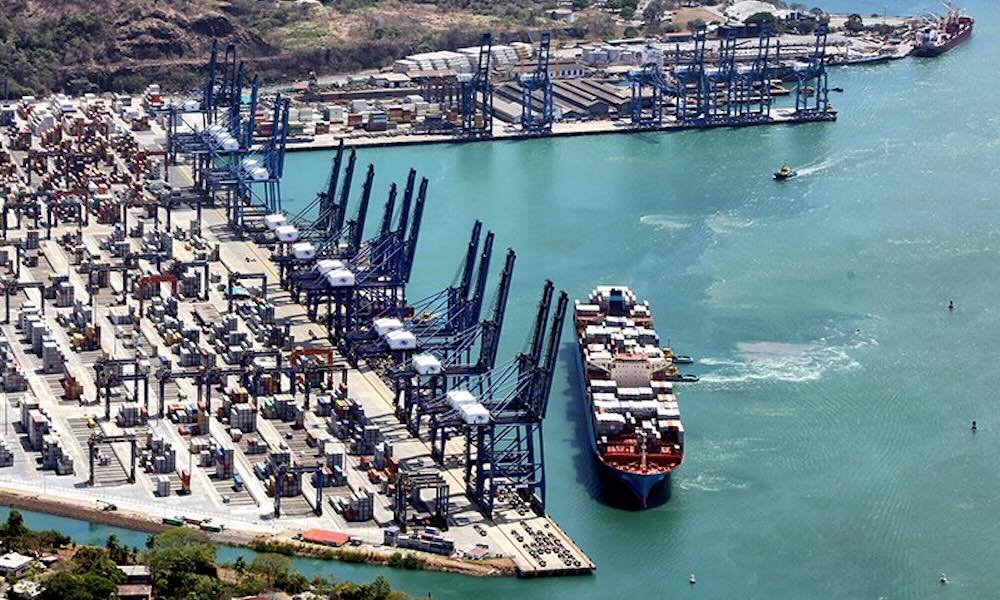
Maersk and Mediterranean Shipping Co (MSC) have moved in to run key terminals at the entrances to the Panama Canal after Panama published a Supreme Court ruling annulling long‑running concessions held by CK Hutchison’s Panama Ports Company (PPC), clearing the way for an immediate handover and an 18‑month transition.
The official gazette publication finalises the court decision that struck down the contracts allowing PPC to operate Balboa on the Pacific and Cristóbal on the Atlantic – terminals it had managed since 1997. By decree the Panama Maritime Authority (AMP) has taken possession of both facilities “to ensure uninterrupted operations,” Alberto Alemán Zubieta, head of the AMP technical transition team, said after the ruling became final. He told a press conference the authority is presenting “two separate contracts … one for the port of Balboa and one for the port of Cristobal” to AMP’s board.
Under temporary licences approved by the government, APM Terminals Panama – a Maersk subsidiary – will operate Balboa, while Terminal Investment Limited (TIL), part of MSC, will run Cristóbal. Panamanian president José Raúl Mulino said the moves are a stop‑gap “to ensure the operation of the ports until their real value is determined,” stressing the actions “do not imply an expropriation of those assets.” He added the arrangement will remain while the state develops a new, competitive long‑term concession framework and insisted employment and day‑to‑day operations will not be affected.
CK Hutchison denounced the takeover as unlawful, warning the state’s actions “raise serious risks to the operations, health and safety at the Balboa and Cristobal terminals.” The conglomerate said Panamanian authorities had physically entered the ports and threatened PPC employees with criminal prosecution if they did not comply. Hutchison said it was pursuing “national and international legal action” and had notified Panama of an investment‑protection treaty dispute; the company has also launched arbitration at the International Chamber of Commerce.
An opinion piece published in state-run China Daily earlier this month argued the Supreme Court decision was “a textbook case of how external pressure can corrupt judicial independence and undermine the foundations of international investment”.
The government’s decision follows a politically charged court ruling widely seen in the context of intensifying US‑China rivalry over global trade routes; the January judgement was described by some observers as a victory for Washington, while China’s Hong Kong and Macao Affairs Office warned Panama it would pay “a heavy price” for stripping Hutchison of the tender.
The AMP transition is limited to 18 months, during which temporary concession contracts will govern port management until a new international tender is launched. Labour minister Jackeline Muñoz reassured workers there would be “no layoffs” among the roughly 1,200 staff across both terminals.
US ambassador Kevin Cabrera defended Panama’s judicial process, saying authorities have the right “to have their judicial system make its own decisions” and called the ruling “very good” for the people of Panama.