Marinakis’ CCEC partners with BGN on LNG vessel ve...
1 day ago

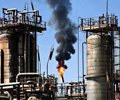
Natural gas prices in Europe soared by more than 28% on Tuesday, as the fallout from an Iranian strike on a key facility in Qatar reverberated through investors worried about potential global supply shortages.
The Dutch TTF front-month contract had last surged by more than 24% to 55.40 euros per megawatt-hour, hovering around its highest level since 2023.
Underpinning the spike has been the closure of production of liquefied natural gas at Qatar’s state-owned energy company, which threatened to effectively choke off a major supply of the world’s fuel.
The firm, QatarEnergy, said on Monday that it would halt LNG output and related products following strikes on two of its gas facilities. The TTF soared to a one-year peak in the wake of the announcement.
Concerns have also swirled around the status of the key Strait of Hormuz, a vital waterway through which much of global oil and gas shipments pass. An Iranian Revolutionary Guards senior official has vowed to attack any ship attempting to traverse the strait.
This has threatened to become a significant issue for Europe, which imports around 5% of its gas from the Middle East. Analysts at Goldman Sachs said that the TTF could increase 130% from where it was trading last week, potentially placing natural gas prices back in territory last seen following the outbreak of the war in Ukraine in 2022.
Uncertainty around the duration of the Qatari outage and the reliability of Strait of Hormuz flows, combined with higher-than-expected usage of gas for electricity in Europe last winter, will “drive TTF prices temporarily higher still,” the Goldman analysts wrote.
Further constraints on the supply of natural gas to Asia could raise the need for alternatives produced in the U.S. and elsewhere, the New York Times reported, citing the Center for Strategic and International Studies. Gas prices in Europe, where gas storage levels are already muted, may continue climbing even after QatarEnergy restarts output as a result, the report said.
Traders are grappling with the prospect of a prolonged conflict and constrained energy exports, said Laurence Booth, Global Head of Markets at CMC Markets.
In the U.S., a major producer and consumer of gas, the rise in natural gas prices remained more tepid on Tuesday.
Elsewhere, countries around Asia have said they would move to diversify the sources of LNG imports should the war stretch on, looking instead to import fuel from the spot market. Benchmark Asian LNG prices also surged on Monday.
Source: Investing.com