HOT PORT NEWS from GAC
1 hour ago

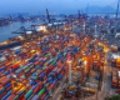
The shipping industry is a crucial enabler of international trade, but it’s often out of sight and out of mind. The COVID-19 pandemic brought it into the spotlight when international trade surged, driven by people staying at home and ordering consumer goods. This sudden increase in cargo demand overwhelmed many ports, leading to port congestion and heightened air pollution.
While greenhouse gas (GHG) emissions and air quality are often the primary environmental concerns in ports, port operations also impact water quality, waste, light and noise pollution, land use, and biodiversity. Port authorities and terminal operators are becoming more aware of the negative impact caused by their activities. While port and trade competitiveness was once judged mainly on traditional factors, environmental sustainability is now seen as a key differentiator.
Targeting ships to cut emissions in ports
Ports are the link between ships and hinterland transport. Ships, terminal equipment, trains, and trucks connecting at ports produce GHG emissions while moving cargo to and from the port.
This connectivity accounts for the most emissions in ports by far, accounting for between 70-100% of emissions, followed by trucks and locomotives (up to 20%). Port operations themselves rarely exceed 15% of total emissions from ports, meaning that ships need to be a focal point of emissions reductions in ports, even though they are not under the port’s direct control.
While ports can meaningfully cut their own GHG emissions, far greater mitigation can be achieved by facilitating emissions reductions across the shipping industry.
Strengthening port resilience through strategic climate adaptation
Information on sources of emissions is critical to these efforts, as are the solutions based on these findings. The Environmental Sustainability Module of The World Bank Group’s Port Reform Toolkit provides a clear mapping of direct and indirect emissions sources in port and identifies mitigation solutions for land-side and sea-side emissions.
The toolkit shows that ports can both contribute to decarbonization of shipping and benefit from it. Green bunkering – using lower-emission fuels – and onshore electrical power offer two entry points for these decarbonization efforts and act as a gateway for national energy systems to import, export, and store green energy sources. As ports are vulnerable to sea-level rise, winds, waves, higher temperatures, and increased precipitation, they are well served by decarbonization and the development of strategic adaptation plans that can prepare and respond to climate-related damage and disruptions.
Effective port governance must account for the complex interplay among stakeholders
The port reforms of the 1980s and 1990s shifted many responsibilities from public authorities to private operators to boost operational efficiency and strengthen investment in infra- and superstructure. Although this has improved performance, it has also dispersed control over operations and assets, diluting the public sector’s mandate to oversee environmental sustainability.
Effective port governance must account for the complex interplay among stakeholders - port authorities, terminal operators, shipping companies, regulators, and indirect actors such as local citizens and environmental NGOs. Their divergent priorities can hinder coordination and complicate the consistent enforcement of environmental policies.
Challenges such as adaptation to climate change impacts in ports will require a new level of collaboration between national, port, and the city level.
How ports could implement strategies to manage priority environmental issues
Recognizing that ports operate within diverse economic and social contexts, governance frameworks, and environmental settings, the roadmap begins with an assessment of existing environmental policies, if any. For ports without an environmental strategy in place, the module offers practical guidance on how to develop one.
Environmental, social, and governance (ESG) reporting has grown in importance, with more than 600 standards, frameworks, ratings, and systems now in use worldwide. This proliferation underscores the need to consolidate and harmonize reporting approaches to reduce complexity for firms, investors, and public authorities, while improving transparency for other stakeholders.
Once a port identifies its environmental issues, the Environmental Sustainability Module of The World Bank’s Port Reform Toolkit offers a tool for ranking solutions using a matrix that evaluates the emissions reduction impact against the cost and effort.
By using this tool and others, port authorities around the globe can go a long way toward improving the efficiency and boosting the resiliency of ports, to the benefit of all.
Source: The World Bank