China: Freight Rates Surge, Making Deals Difficult...
1 hour ago

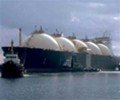
The escalating Iran crisis could disrupt 55–65% of India’s LNG imports that pass through the Strait of Hormuz, raising concerns about energy shortages and rising input costs for several industries, according to an analysis by Shriram Asset Management. The waterway normally handles around 150 vessels daily, including 30–40 oil and LNG tankers, but recent military tensions and naval mines have brought commercial traffic close to a halt, potentially tightening global energy supplies for four to eight weeks or longer, according to industry estimates.
The route typically carries around 150 vessels a day, and prolonged disruption could tighten global oil and gas supplies, with estimates suggesting that a $20-per-barrel increase in crude prices could shave about 4% off corporate earnings growth.
The crisis intensified after coordinated airstrikes by the United States and Israel on Iran in late February, which targeted key nuclear and military infrastructure and resulted in the death of Iran’s Supreme Leader Ayatollah Ali Khamenei. Iran retaliated with missile and drone strikes across Gulf countries, including attacks on energy infrastructure in Qatar, Bahrain and the UAE. A strike on QatarEnergy’s Ras Laffan LNG complex — the world’s largest LNG export facility accounting for about 25% of global LNG supply — triggered a sharp reaction in global energy markets.
Why India is particularly exposed
India’s heavy dependence on imported energy makes it particularly vulnerable to supply disruptions in the Gulf region.
About 55–65% of India’s LNG imports transit the Strait of Hormuz, with Qatar accounting for nearly 40% of India’s LNG imports. Unlike crude oil, which India can partly substitute with imports from Russia or other producers, replacing LNG supplies is far more difficult due to limited global availability and longer shipping times from alternative suppliers such as the US or Australia.
The supply crunch is already beginning to show up domestically. The government raised LPG prices by ₹60 per cylinder on March 7, while delays in LPG cylinder deliveries have been reported in several parts of the country as available gas supplies are prioritised for households, hospitals and fertiliser plants.
55–65% of India’s LNG imports transit the Strait of Hormuz, with Qatar alone accounting for 40% of India’s LNG imports. There is no quick alternative as US, Australian and African LNG involves weeks of additional shipping time and limited spot availability. Gas shortages are already hitting industrial end customers in India as India tries to direct the available domestic supplies to priority sectors like households, hospitals and fertilizers,” said the report.
Industries facing the biggest risks
Several sectors could face operational disruptions if energy shortages persist.
Fertilisers and chemicals:
Around 65% of India’s ammonia imports come from Saudi Arabia and Oman, making fertiliser production vulnerable to supply disruptions in the Gulf.
City gas distribution:
Industrial and commercial consumers have already seen gas allocations reduced to around 40% of contracted volumes, which could affect industrial production.
Ceramics and building materials:
Ceramic manufacturers in Gujarat’s Morbi cluster reportedly have only 10–15 days of fuel availability at current consumption levels due to LNG shortages.
Consumer and services sectors:
Gas shortages have begun affecting restaurants and quick-service chains. Some restaurants in Bengaluru have reportedly shut temporarily, while over 20% of outlets in Mumbai have faced temporary closures due to fuel shortages.
Auto and electronics manufacturing could also face production disruptions if the supply crunch persists.
Energy price shock could hit corporate earnings
Higher energy prices could also weigh on corporate profitability. According to estimates cited in the report, a sustained $20-per-barrel rise in crude oil prices could reduce corporate earnings growth by about 4%.
The impact could be even higher if gas shortages lead to factory shutdowns or supply chain disruptions across key industrial sectors.
Sectors that could benefit
While energy-intensive industries may face pressure, some sectors could benefit from rising commodity prices.
Upstream oil and gas producers are likely to see improved realisations as crude and LNG prices rise globally.
Standalone refiners could benefit from widening refining margins, particularly if they can access discounted crude supplies.
Metal producers, especially aluminium companies, may gain from higher global commodity prices triggered by supply disruptions.
What investors should watch
For investors, the situation could lead to higher volatility in the near term, particularly in sectors sensitive to energy prices such as chemicals, fertilisers, manufacturing and consumer businesses.
However, the crisis could also create opportunities in energy producers, refiners and select commodity companies that benefit from higher global prices.
The key risk for markets will be how long the Strait of Hormuz disruption lasts
Source: The Business Standard