Zhonggu Logistics backs Wuhan Qingshan restart wit...
2 hours ago

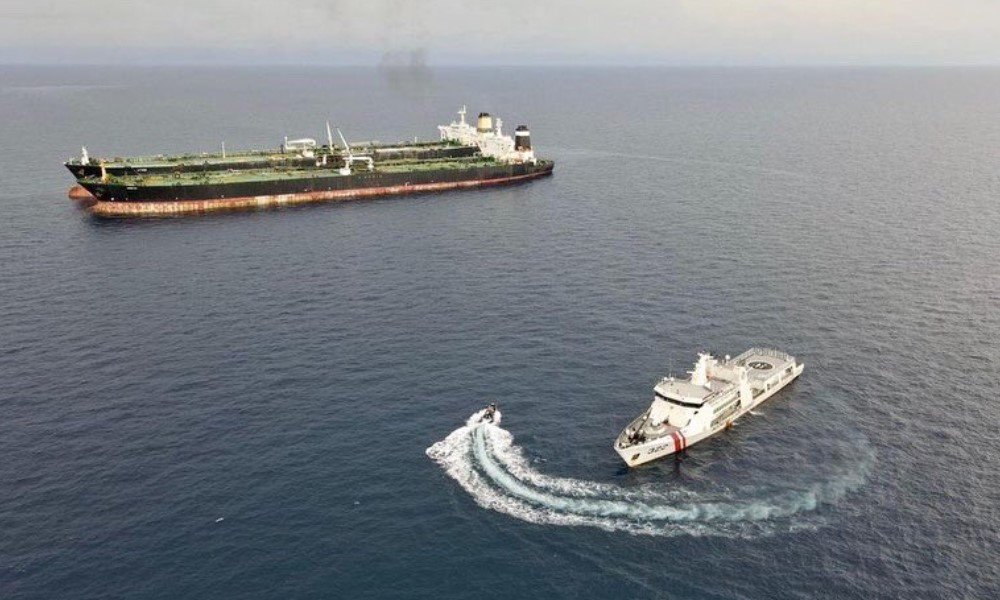
Iran’s parliament approved a formal toll and access regime for the Strait of Hormuz earlier this week, with the ongoing war against the US/Israeli coalition leading Splash coverage for a fifth straight week.
Satellite imagery confirmed severe damage to Russia’s prime energy exporting ports, as Ukraine’s Baltic bombardment campaign continued for much of this week.
The insurance company that paid out $350m to Maryland following the collapse of Baltimore’s Francis Scott Key Bridge has reached a settlement of the same amount with the owner and operator of the container ship Dali, in one of the first deals to be struck ahead of a landmark civil trial set to begin June 1.
Scorpio Tankers is stepping into nuclear-powered shipping, striking a deal with US-based Ampera to develop micronuclear energy systems for maritime use. The New York-listed product tanker giant said it has entered a strategic collaboration with the reactor developer, backed by a $10m investment, to explore zero-carbon power solutions for ships, offshore assets and port infrastructure.
With the rise of AI, shipping-related April Fool’s day gags have multiplied to an extraordinary extent this year. If we had to pick one from the hundreds that littered social media (and used up vast amounts of fossil fuels in the process) this week, hats off to the Port Authority of New South Wales for its pilot innovation that harks back to James Bond movies of the late 1960s.
The 2020s are proving to be a brutal period for seafarers stuck at sea – and by extension, securing enough crew numbers for the future. First came covid, alongside ever-increasing cases of crew abandonment, plus the ongoing 865-day Red Sea shipping crisis. Now the United Nations is warning that today’s Hormuz crisis – into day 35 – has no precedent in the post-World War II era for seafarers caught up in a war zone. The topic forms this week’s Splash Wrap podcast.