Russian drones hit port in Ukraine, damage civilia...
3 hours ago

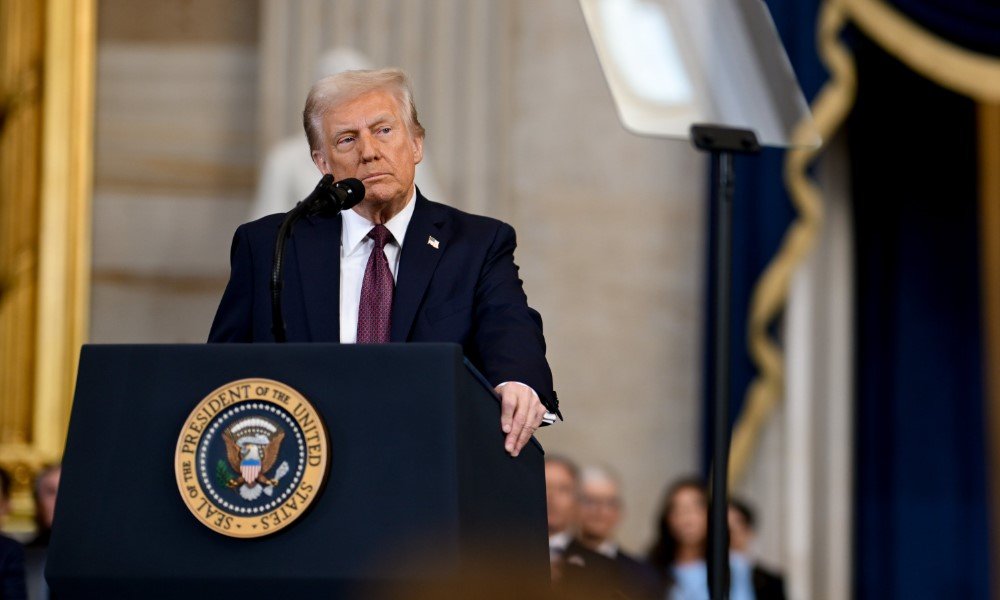
Nearly 50 days into one of the most disruptive shipping crises in history, diplomatic signals and military escalation are running in parallel.
Donald Trump has said the war in the Middle East is “close to over,” telling Fox News that a second round of face-to-face talks with Iran could resume in Islamabad within days – even as the United States military pressed ahead with a naval blockade of Iranian ports that has drawn fierce condemnation from Tehran and Beijing alike.
The twin tracks of diplomacy and escalation are playing out against an increasingly alarming economic backdrop. The International Monetary Fund has warned the conflict risks triggering a global recession, while the International Energy Agency’s executive director has described the combined impacts as “the greatest threat to global energy security in history.”
For commercial shipping, the picture remains deeply uncertain. A few commercial vessels successfully transited the Strait of Hormuz in the last 24 hours, offering some tentative relief, though the waterway – effectively closed by Iran following US-Israeli strikes – has yet to normalise. The US Navy reported stopping six ships from leaving Iranian ports in the first 24 hours of its blockade. One sanctioned Chinese tanker U-turned after passing through the strait.
Iran has condemned the blockade as a “grave violation” of its sovereignty and territorial integrity. China went further, with Beijing’s foreign ministry warning the move would “undermine the already fragile ceasefire agreement” and further jeopardise vessel safety through the critical chokepoint, calling the US action “irresponsible and dangerous.”
The war, which began on February 28, has created the largest supply disruption in the history of the global oil market. Global LNG supply has been reduced by around 20%. Oil, gas and fertiliser prices have surged, with the IEA warning of knock-on implications for food security and employment across multiple industries.
The heads of the IEA, IMF and World Bank – who established a coordination group in early April to manage the crisis – met again this week and issued a joint assessment yesterday. “The impact of the war is substantial, global, and highly asymmetric, disproportionately affecting energy importers, in particular low-income countries,” they said, warning that even after shipping flows resume through the strait, “it will take time for global supplies of key commodities to move back towards their pre-conflict levels – and fuel and fertilizer prices may remain high for a prolonged period given the damage to infrastructure.”