Akkon set to become Turkey’s largest liner
3 hours ago

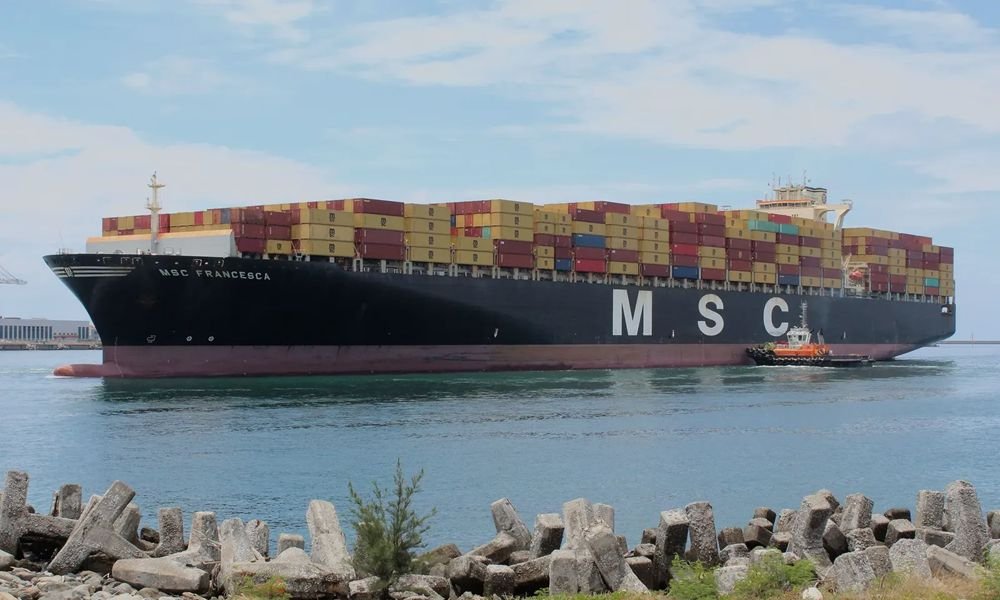
Fresh tensions in the Strait of Hormuz spilled over into direct action on Wednesday after Iran’s Islamic Revolutionary Guard Corps (IRGC) targeted three containerships, firing on them and detaining two.
According to multiple maritime security reports, three boxships came under attack while transiting the strategic waterway linking the Gulf to global markets. Two of the vessels — the MSC Francesca and Epaminondas — were later seized and escorted toward the Iranian coast by IRGC naval forces.
Iranian authorities said the ships had breached regulations, alleging they were operating without proper permits and tampering with navigation systems. The IRGC described disruption to safety in the strait as a “red line”.
The first reported incident involved the 6,673 teu Epaminondas, which was fired upon by an IRGC gunboat roughly 15 nautical miles northeast of Oman. The vessel sustained significant damage to its bridge, although no injuries among the crew have been reported.
Maritime intelligence firm Ambrey said the ship was not transmitting AIS data at the time of the incident, a factor that may have contributed to the confrontation. Despite the damage, there were no reports of fire onboard.
A second vessel, the Panama-flagged 2,478 teu Euphoria, was also targeted west of Iranian waters. While it reportedly came under fire, early indications suggest it avoided major damage and the crew remained safe. The circumstances around the second attack remain less clear.
Later in the day, the 11,668 teu MSC Francesca was intercepted as it exited the strait into the Gulf of Oman. The vessel reported hull and accommodation damage after being fired upon and was instructed to anchor before being taken under Iranian control.
The vessels involved are understood to be linked to Swiss liner operator MSC, which had managed to move at least six ships through the strait over the weekend without incident.
UK Maritime Trade Operations (UKMTO) confirmed it was aware of heightened activity in the area and urged vessels to report any suspicious movements. Security firms have also warned of increased risks, particularly for ships operating without AIS or failing to respond to hails.
The attacks came just hours after US President Donald Trump announced an extension to the ceasefire with Iran, originally agreed earlier this month. The temporary truce had been tied to keeping the Strait of Hormuz open, with Iranian forces coordinating vessel movements.
At the same time, a US naval blockade targeting Iranian ports remains in place, adding another layer of complexity for shipowners and charterers navigating the region.
“This latest escalation is an abhorrent attack on innocent seafarers. Not long ago, just one merchant ship being attacked would be an outrage – now we have seen three attacked within a few hours of each other,” The Seafarers’ Charity said in a statement, adding that the Strait of Hormuz is “clearly not safe for civilian seafarers to transit”, and the mental health toll on crews stranded in a conflict zone will continue to rise.
“We urgently call for all countries involved in the conflict to make the Strait safe for the innocent seafaring workforce trapped there, and not use them as political capital,” the charity added, urging the crews “not to run the gauntlet in the Strait or take risks in the face of such aggression.”