Iran seizes two boxships after fresh attacks in St...
2 days ago

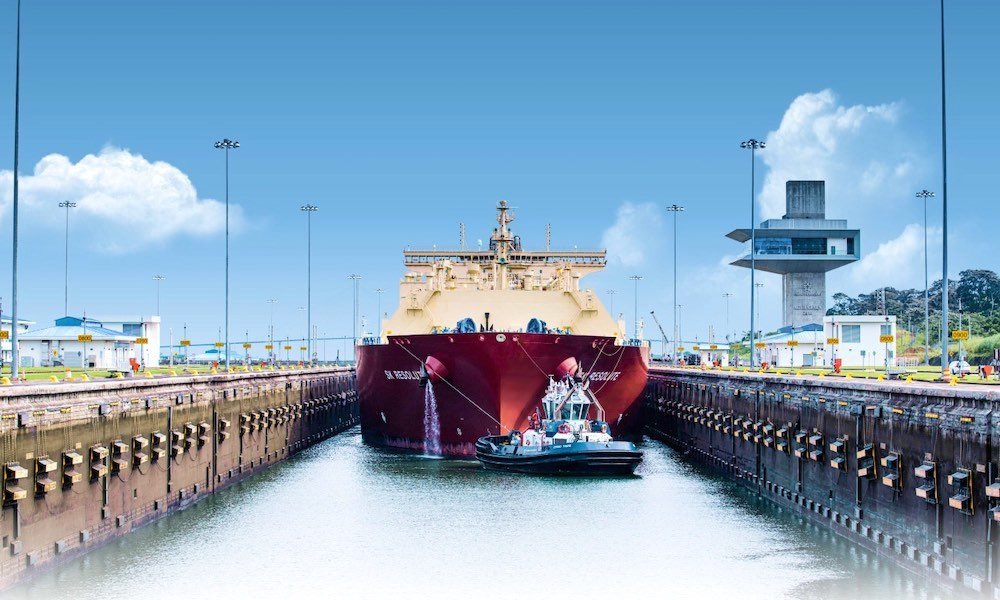
The Panama Canal has recorded a significant rise in vessel transits and tonnage in the first half of its 2026 fiscal year, with demand for its reservation system climbing sharply amid heightened global trade activity – and some ships paying more than a million dollars for last-minute crossing slots, in yet another butterfly effect from the ongoing war in the Middle East.
Canal administrator Dr Ricaurte Vásquez Morales used a Bank of America Merrill Lynch investor briefing this week to underline the waterway’s resilience, describing it as “open and fully operational” despite the geopolitical pressures reshaping international trade flows. Water levels are currently at optimal levels, he said, allowing the canal to accommodate growing traffic volumes.
Between October 2025 and March 2026, the canal recorded 6,288 transits – 224 more than in the same period a year earlier.
Daily averages hit 34 vessels in January and climbed to 37 in March, with peak days recently exceeding 40 transits.
Auction slot prices have jumped by 180% since the war began
Container shipping and liquefied petroleum gas have been the standout performers, with Vásquez Morales noting that energy products are playing an increasingly significant role in overall volumes.
The headline figure drawing industry attention, however, has been the price of auction slots. Vice president of finance Víctor Vial confirmed that while certain vessels have recently paid more than $1m to secure a crossing, such sums reflect temporary spikes in demand rather than structural pricing shifts. Before the outbreak of conflict in the Middle East, average auction prices ran between $135,000 and $140,000. That figure rose some 180% to around $385,000 between March and April as demand surged.
The canal makes three to five slots available each day through its auction mechanism, aimed at vessels that have not booked in advance. Vial stressed that auctions have no impact on vessels holding confirmed reservations, and that the majority of users book ahead through the canal’s Long-Term Slot Allocation system, meaning there is effectively no queue for pre-booked ships.
Water security also featured prominently in the briefing. Deputy administrator Ilya Espino de Marotta said unusually heavy dry-season rainfall has kept Gatún and Alhajuela Lakes at maximum capacity, providing a buffer should a strong El Niño materialise later in the year. The canal does not anticipate any significant disruption before December, she added, but is monitoring conditions closely.