Freight Market Report 19/05-2026 Presented By IC S...
9 hours ago

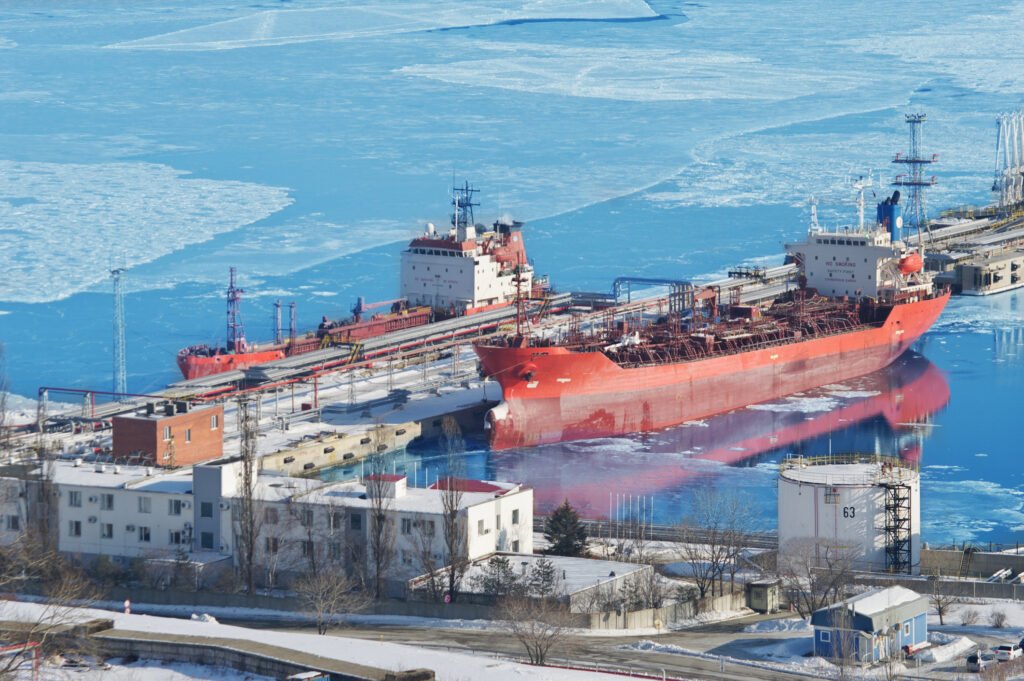
With the halt in maritime cargo movement through the Strait of Hormuz hitting crude oil flows, the US has allowed for another month the sale of Russian crude loaded on vessels.
The U.S. Department of the Treasury’s Office of Foreign Assets Control (OFAC) issued on Monday a Russia-related general license 134C, authorizing the delivery and sale of crude oil and petroleum products of Russian origin loaded on vessels as of April 17.
The authorization remains valid through 12:01 a.m. eastern daylight time on June 17, 2026.
A statement from the Department of Treasury said that “all transactions prohibited … that are ordinarily incident and necessary to the sale, delivery, or offloading of crude oil or petroleum products of Russian Federation origin loaded on any vessel, including vessels blocked under the above-listed authorities, on or before 12:01 a.m. eastern daylight time, April 17, 2026, are authorized through 12:01 a.m. eastern daylight time, June 17, 2026.”
Treasury Secretary Scott Bessent said in a post on X Monday that the Treasury Department was issuing a temporary 30-day general license to “provide the most vulnerable nations with the ability to temporarily access Russian oil currently stranded at sea.”
“This general license will help stabilize the physical crude market and ensure oil reaches the most energy-vulnerable countries,” Bessent said. “It will also help reroute existing supply to countries most in need by reducing China’s ability to stockpile discounted oil.”
The waiver was first introduced in mid-March, when oil prices began surging globally after the start of the US-Israel war with Iran in February.
After U.S.-Israeli attacks on Iran drove up global oil prices, the Treasury first issued the temporary license in March in an attempt to ease oil supply shortages and mitigate price spikes by releasing Russian oil and petroleum products stranded in tankers.
As with previous OFAC notices, the latest extension maintains strict restrictions involving Iran and other jurisdictions.
Specifically, this general license does not authorize any transaction involving a person located in or organized under the laws of the Islamic Republic of Iran, the Democratic People’s Republic of Korea, the Republic of Cuba, the Covered Regions of Ukraine, as defined by E.O. 14065, the Crimea Region of Ukraine, as defined by E.O. 13685, or any entity that is owned or controlled by or in a joint venture with such persons.
The Treasury Department’s general licence also stated that it does not permit any other transactions or activities prohibited by any other Executive order or by any part of 31 CFR chapter V not referenced in this general license, including any transaction or activity involving Iran, the government of Iran, or Iranian-origin goods or services that is prohibited by the Iranian Transactions and Sanctions Regulations.
The move is aimed at keeping more oil on global markets and tempering crude prices as the war in Iran, now nearing its third month, continues to choke off shipping through the Strait of Hormuz.
Analysts said the short-term waivers may help some individual countries dependent on Gulf oil supplies, but critics have blasted the waiver as allowing Russia to profit from elevated oil prices and enriching Moscow’s war machine.