French firm enters deal for bioenergy with CCS pro...
2 hours ago

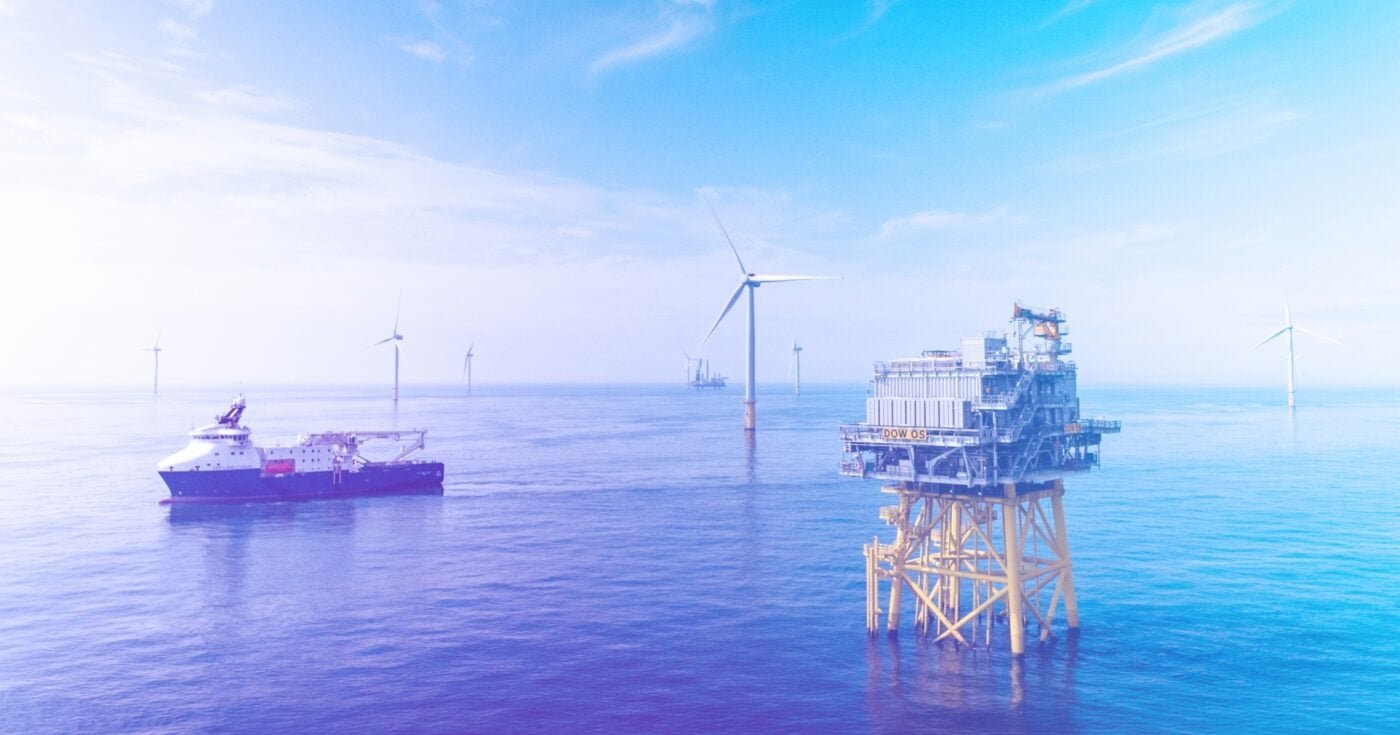
As the North Sea offshore energy industry voices urge the UK government to put an end to reliance on imports, Britain’s trade body for the offshore energy industry, Offshore Energies UK (OEUK), has emphasized the need for the government to focus on unlocking homegrown power of supply to mitigate the effects of the escalating global energy crisis, which is caused by the war in Iran.
Calling for a new coordinated response to the worsening global energy crisis in the wake of the Middle East conflict, the North Sea energy trade body held emergency talks with industry leaders on May 20, 2026, which were attended by executives from major energy companies active in the UK North Sea.
OEUK points out that the domestic offshore energy industry and its supply chain support more than 240,000 UK jobs and contribute £36 billion annually to the UK economy. The government is moving to relax sanctions on Russia imposed since the invasion of Ukraine, allowing the import of jet fuel and diesel from third countries.
However, Offshore Energies UK is urging the immediate prioritization of domestic energy production, encompassing North Sea oil and gas as well as renewables, as the lessons from Iran and Ukraine show that countries that produce their own energy are more resilient.
David Whitehouse, Chief Executive of OEUK, commented: “The evidence we have heard at this morning’s meeting makes clearer than ever the need to prioritise homegrown energy over imports, and that includes our own oil and gas.
“The decision to relax sanctions to allow the import of jet fuel and diesel from third countries refining Russian crude is evidence that decades of poor policy decisions have undermined our energy security and industrial resilience. The government must support our own producers, industries, and workers.”
The International Monetary Fund has predicted that Britain will face the biggest hit to economic growth from the consequences of the Iran war of all the G7 nations, in part because of its dependence on record levels of imported energy.
With this in mind, OEUK emphasizes that the early introduction of the UK Treasury’s proposed oil and gas price mechanism (OGPM) alongside accelerated approval of the North Sea’s Rosebank and Jackdaw projects would unlock £50 billion ($67.18 billion) of investment.
As a result, this will help boost North Sea oil and gas production from fewer than 4 billion barrels under the current regime to over 7 billion barrels between now and 2050.
A presentation on the impact of the war in Iran was given by Professor Nick Butler, Visiting Professor at Kings College, London, who previously served as Group Vice President for Strategy and Policy Development at BP and subsequently as Senior Policy Adviser to Prime Minister Gordon Brown.
While setting out the problems of higher inflation, increased borrowing, slower growth, weaker spending and investment, and worsening pressure on public finances as a result of the war, Professor Butler highlighted: “We are the only country in the world that’s cutting back on its potential oil and gas production apart from Denmark.
“I cannot see the moral, economic or environmental reason for importing oil and gas when we can produce it ourselves. In the face of this current crisis we need to maximise production of every resource we have.”

Take the spotlight and anchor your brand in the heart of the offshore world!
Join us for a bigger impact and amplify your presence at the core hub of the offshore energy community!