G2 Ocean adds six new open hatch gantry crane vess...
5 hours ago

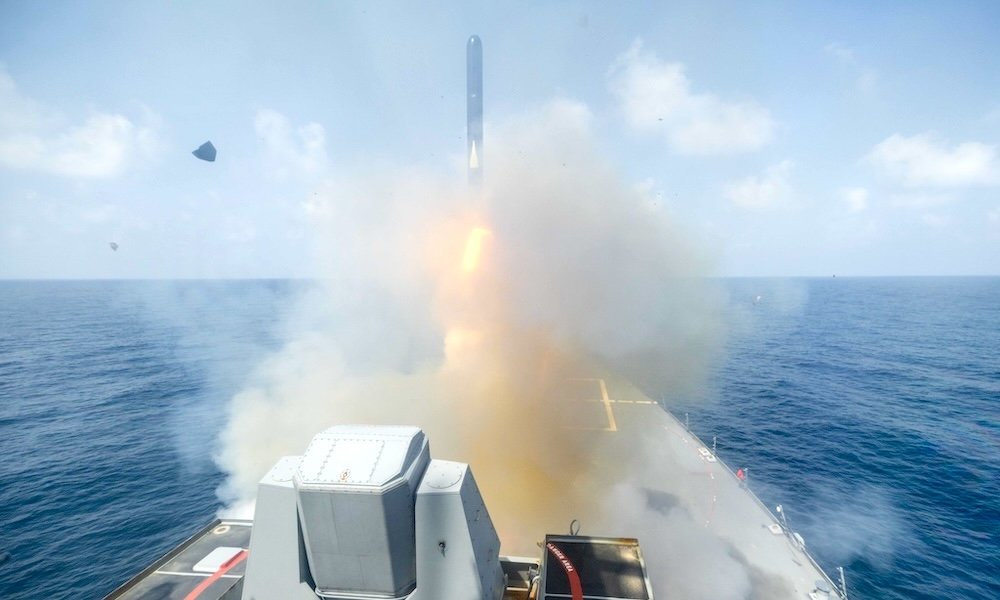
The Hormuz shipping crisis is approaching its 100th day with no resolution in sight and the situation deteriorating sharply in the past 24 hours, as US forces struck Iranian targets at Bandar Abbas, Iran launched drones and ballistic missiles toward Kuwait, and at least four commercial vessels were forced to turn around attempting to transit the strait.
The sequence of events began overnight when the US struck Iranian positions at Bandar Abbas after Iran launched four drones toward a US tanker attempting to transit outbound with AIS switched off. Iran responded with multiple drones and ballistic missiles toward Kuwait.
The escalation drew a blunt assessment from Martin Kelly of maritime security firm EOS.
“Despite the imminence of an imminently imminent ceasefire/MoU/peace deal/insert random unlikely term to represent progress here, the situation between the US and Iran is worsening, and the risk to shipping has not changed,” Kelly wrote in an update today on LinkedIn.
Since the last ceasefire agreement on April 8, Kelly detailed how the US has attacked Iranian targets at Bandar Abbas, Sirik and Jasm on two or three different occasions. Iran has attacked US warships on at least two occasions. Iran has attacked the UAE, Saudi Arabia and Kuwait multiple times, and has continued to attack commercial shipping.
“The sub-threshold benchmark for what constitutes a breach of the ceasefire is moving further from what would be expected. A non-breach of the ceasefire already constitutes attacks against commercial shipping and Gulf States,” Kelly wrote, concluding: “The key takeaway is that Iran still controls the Strait of Hormuz, Iran is unlikely to concede control of the strait, and so there is little room for progress.”
Washington has now added the Persian Gulf Strait Authority – the Iranian body established to manage transit permits through Hormuz – to OFAC’s Specially Designated Nationals list, designating it as linked to the Islamic Revolutionary Guard Corps. The move places shipping companies in an impossible position: transiting the strait without PGSA coordination risks Iranian interdiction, while engaging with the PGSA now risks violating US sanctions.
Iran’s deputy secretary of the Supreme National Security Council, Ali Bagheri Kani, speaking on the sidelines of a security meeting in Moscow, made clear that any eventual settlement will not restore prewar conditions at the strait. “Shipping procedures in the Strait of Hormuz after the war will be completely different from the procedures that existed before the outbreak of the armed conflict,” he said.
Hope of an imminent diplomatic breakthrough effectively collapsed on Wednesday when President Trump publicly dismissed an Iranian state television report that Tehran and Oman were close to a deal that would restore commercial shipping within a month under joint Iranian-Omani management. Trump’s response was unambiguous and carried its own threat. “Nobody’s going to control it,” he said of the strait. “It’s international waters and Oman will behave just like everybody else or we’ll have to blow them up. They understand that, they’ll be fine.”
For the tanker market, Fearnleys described the situation as “all mouth and no trousers” when it comes to a deal to reopen the strait. The Oslo broker said the lack of market transparency was making it increasingly difficult to gauge conditions in real time.
BIMCO chief shipping analyst Niels Rasmussen warned today: “If the Strait of Hormuz remains effectively closed, oil stocks could reach critical levels by the end of September and may no longer be able to provide a secondary source of oil supply.”
Amid the deteriorating situation, one piece of genuinely good news emerged on Tuesday. Ten Indian seafarers detained in Iran since July 2025 aboard the product tanker Harbour Phoenix – intercepted near Jask Port and subsequently arrested and imprisoned – have been released following what India’s Directorate General of Shipping described as sustained diplomatic engagement. “The seafarers have now been released and reunited safely,” the authority said, adding that arrangements were being coordinated for the crew’s earliest return to India.