Leadership change at Emirates Shipping Line
3 days ago

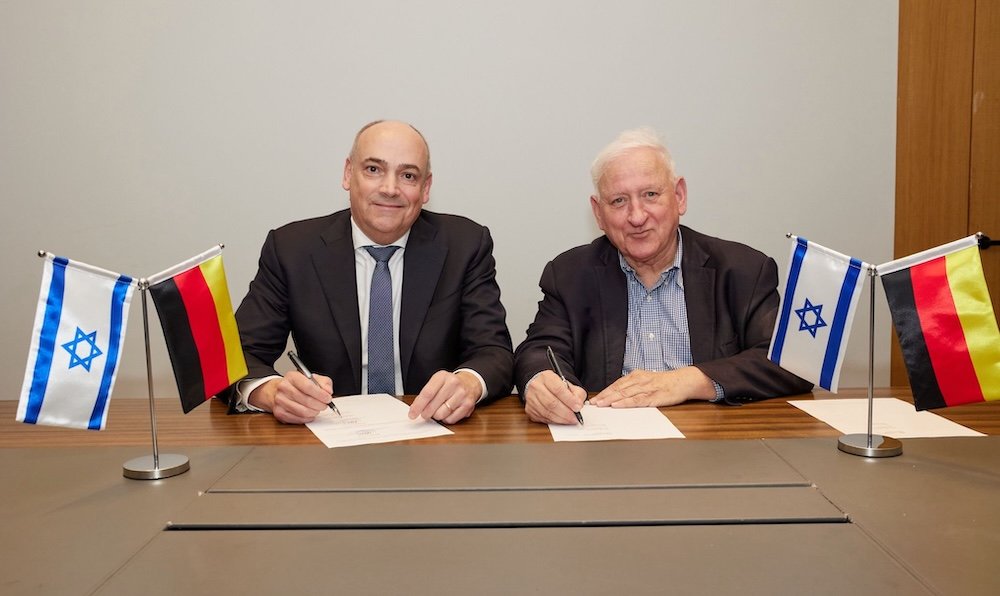
Opposition to Hapag-Lloyd’s planned takeover of Israeli line ZIM is growing, with union protests and the controversial sale debated at the Knesset, Israel’s parliament yesterday.
Hapag-Lloyd unveiled a $4.2bn takeover offer for ZIM a week ago (pictured), in a deal that would carve out a ‘New ZIM’ made up of 16 vessels to be separated from the Hapag-Lloyd takeover and run by an Israeli private equity firm.
Workers sharply reduced port operations over the weekend and barred chairman Yair Seroussi from company sites, escalating opposition despite Hapag‑Lloyd maintaining that there would be no job losses for a set period of time. The union said it would halve the scope of approved exceptional activities – including unloading ships with agricultural cargo – and prohibited Seroussi from entering Zim facilities in Haifa, Holon and Ashdod. Earlier, union representatives had treated to “paralyse” ZIM.
Israel’s parliament flagged national security risks yesterday after a Knesset committee questioned the proposed sale. Committee members pressed whether a slimmed‑down New ZIM could fulfil the carrier’s wartime logistics role.
Concerns intensified after MPs noted that significant stakes in Hapag‑Lloyd are held by Qatar Holding and Saudi Arabia’s Public Investment Fund.
The ZIM workers’ committee warned of the carrier’s strategic role, saying: “ZIM has been a vital conduit for ammunition, food and medical supplies since October 7, 2023.”
ZIM currently carries a so-called golden share agreement requiring a local presence and at least 11 Israeli‑owned vessels; under the proposed terms that golden share would move to an Israeli private equity firm, FIMI, prompting the Knesset to ask the Israel Companies Authority to vet whether New ZIM can meet statutory conditions and retain national readiness.
FIMI founder Ishay Davidi told the committee New ZIM would be financially robust, saying: “New ZIM would be solvent from day one and meet state requirements.” Yet lawmakers and defence officials pressed for firmer guarantees, requesting operational contingency plans, assurances on vessel flagging and confirmation that New ZIM can be rapidly mobilised in a national emergency.
Hapag-Lloyd anticipates the sale to go through by the end of this year. The combined company would control more than 400 vessels, with capacity exceeding 3m teu and projected annual volumes above 18m teu by 2027.