Container vessel struck by ‘projectile’ near Jebel...
4 hours ago

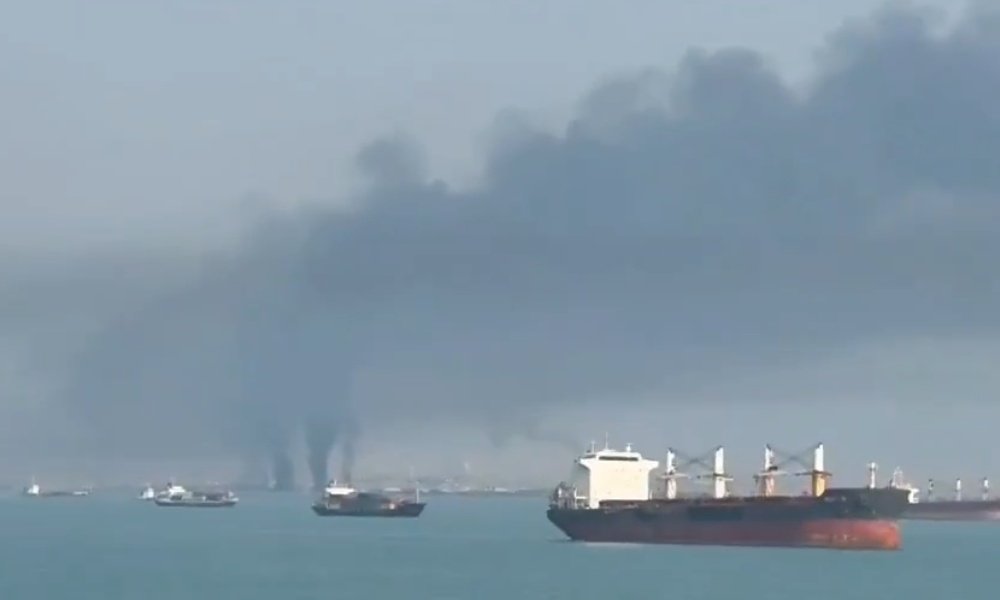
Iran’s new supreme leader has pledged to maintain the closure of the Strait of Hormuz as the maritime crisis engulfing the Middle East triggers warnings of the worst oil supply disruption in history, a Norwegian transit ban, and an emergency International Maritime Organization session, all underscoring the gravity of a situation that is rapidly reshaping global shipping.
Mojtaba Khamenei, who assumed Iran’s religious leadership following the death of his father Ayatollah Ali Khamenei in US-Israeli airstrikes on February 28, left no ambiguity about his intentions in his first address to the nation on Thursday.
“Certainly, the leverage of blocking the Strait of Hormuz must continue to be used,” Khamenei declared, signalling that the world’s most critical energy chokepoint will remain a weapon of pressure against Washington and Tel Aviv for the foreseeable future.
The security picture in the waters around the strait is deteriorating by the day. The Joint Maritime Information Center’s latest advisory – Update 12, issued Thursday – recorded three additional vessel strikes within a 24-hour period, bringing the total number of maritime security incidents since hostilities began on February 28 to more than 20.
Analysts tracking the pattern of attacks say they show no preference for Western-flagged or Western-owned tonnage, suggesting the campaign is designed to maximise broad disruption rather than pursue politically targeted strikes.
“The incidents involve a wide range of vessel types and flag states, with no consistent pattern of Western ownership linkage,” the JMIC advisory states.
The centre warns the threat environment across the Persian Gulf and Strait of Hormuz is likely to remain “highly volatile in the coming days,” with particular concern for vessels at anchor, ship-to-ship transfer operations, and port approaches and offshore energy facilities. Missiles, drones, and unmanned surface vessels all remain active threats.
The International Energy Agency is now using its starkest language yet to describe the economic consequences. In a report published Thursday, the Paris-based agency said the halt to commercial shipping through Hormuz has generated a “considerable backlog” of vessels, and that a return to full trade flows could take months even after hostilities end.
“The war in the Middle East is creating the largest supply disruption in the history of the global oil market,” the IEA said, adding that a credible escort regime and improved port and anchorage security would be critical to unwinding the backlog. Gulf producers have already been forced to slash output as the crisis bites.
Norway became the first government to impose an outright transit ban on Thursday, with the Norwegian Maritime Authority barring all Norwegian-flagged vessels from entering the Persian Gulf with immediate effect – regardless of individual shipowner risk assessments.
The International Maritime Organization announced it will convene an extraordinary session of its council on March 18 and 19 at its London headquarters, focused specifically on the impact of the crisis on shipping and seafarers across the Arabian Sea, Sea of Oman, and the Gulf region.
IMO secretary-general Arsenio Dominguez has already held separate briefings with industry organisations and member states this week as the organisation scrambles to coordinate an international response to what is fast becoming a systemic threat to global maritime trade.