After US-Iran war ceasefire, shipowners not rushin...
1 day ago

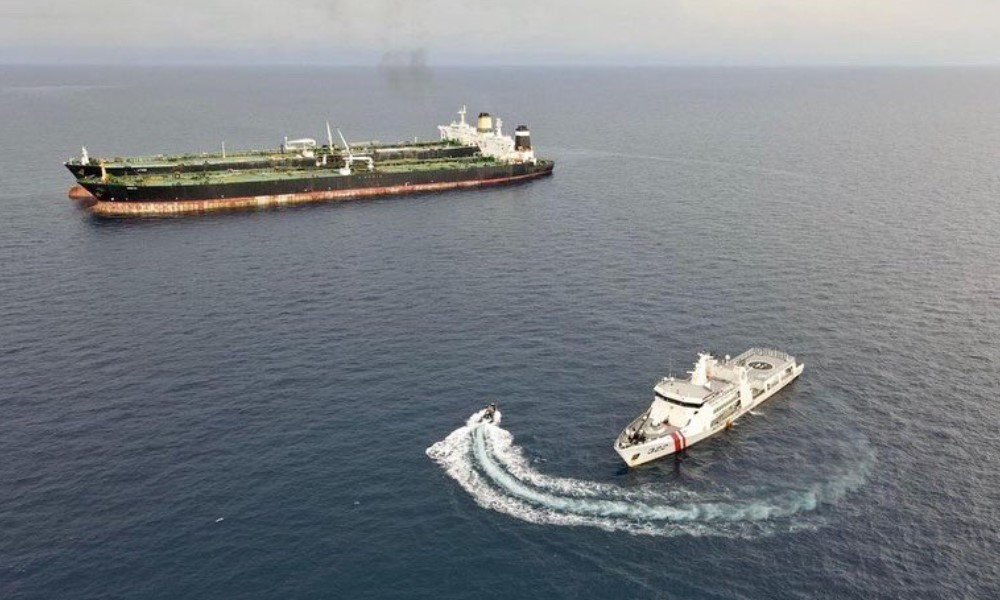
Contradictory signals from Washington and Tehran over who should profit from strait transits have added fresh uncertainty to a waterway that remains largely closed to commercial traffic
The Strait of Hormuz crisis enters its eighth week with no meaningful recovery in shipping traffic, as conflicting proposals over transit tolls – from both Washington and Tehran – have compounded the legal and commercial uncertainty facing shipowners hoping for a durable reopening.
The latest confusion stems from a rapid series of contradictory statements by US president Donald Trump. On Wednesday, Trump suggested to ABC News that the United States and Iran were “thinking of doing it as a joint venture” on strait tolls, describing the arrangement as “a way of securing it, also securing it from lots of other people. It’s a beautiful thing.” The same day, at a White House press briefing earlier in the week, Trump had asked rhetorically: “What about us charging tolls? I’d rather do that than let them have them, right? Why shouldn’t we? We’re the winner.”
Yet within 24 hours, Trump reversed course entirely after reports emerged that Iran was already moving to implement its own toll regime. Hamid Hosseini, a spokesperson for Iran’s Oil, Gas and Petrochemical Products Exporters’ Union, told the Financial Times that Tehran would require ships passing through the strait to pay the cryptocurrency equivalent of $1 per barrel of oil on board during the two-week ceasefire period – a levy JP Morgan estimates could generate Iran between $70bn and $90bn annually. “There are reports that Iran is charging fees to tankers going through the Hormuz Strait – they better not be and, if they are, they better stop now!” Trump posted on Truth Social.
The international legal community was unequivocal in its response. The European Commission stated that freedom of navigation meant “no payment or toll whatsoever,” describing the strait as “a public good for all humanity.” The International Maritime Organization warned that imposing tolls would “set a dangerous precedent,” citing UNCLOS provisions guaranteeing the right of transit passage through international straits and prohibiting bordering states from hampering that right – provisions neither the US nor Iran has formally ratified.
Oil industry executives moved quickly to make their concerns heard in Washington, meeting senior State Department officials to warn that conceding to Iran’s toll demands would add approximately $2.5m in charges and elevated insurance costs per shipment. They also cautioned that acquiescing could encourage similar moves at the Strait of Malacca or the Bosphorus, while exposing companies to sanctions liability.
With formal US-Iran-Pakistan talks now scheduled to begin in Islamabad, the fundamental question of who controls – and who profits from – one of the world’s most critical shipping lanes remains unresolved, leaving commercial operators no closer to the clarity they need to resume normal operations.