Hapag-Lloyd confirms advanced talks on acquisition...
4 hours ago

The Trump administration’s long‑awaited Maritime Action Plan (MAP) has resurrected a controversial proposal to charge foreign‑built ships a per‑kilogram fee on imported cargo, reviving a levy threat that could reshape global trade economics if enacted.
The 36‑page plan, released after months of delay, set out a four‑pillar strategy to rebuild US shipbuilding capacity, reform training, protect the maritime industrial base and boost national security. Central to financing the effort is a funding option to impose a universal infrastructure or security fee on all foreign‑built commercial vessels calling at US ports, to be assessed on the weight of the imported tonnage arriving on the vessel. The plan modelled a fee range from $0.01 to $0.25 per kilogram – a penny‑a‑kg yield of roughly $66bn over a decade, the high‑end scenario approaching $1.5trn, vastly higher than 2025’s briefly enacted port fees.
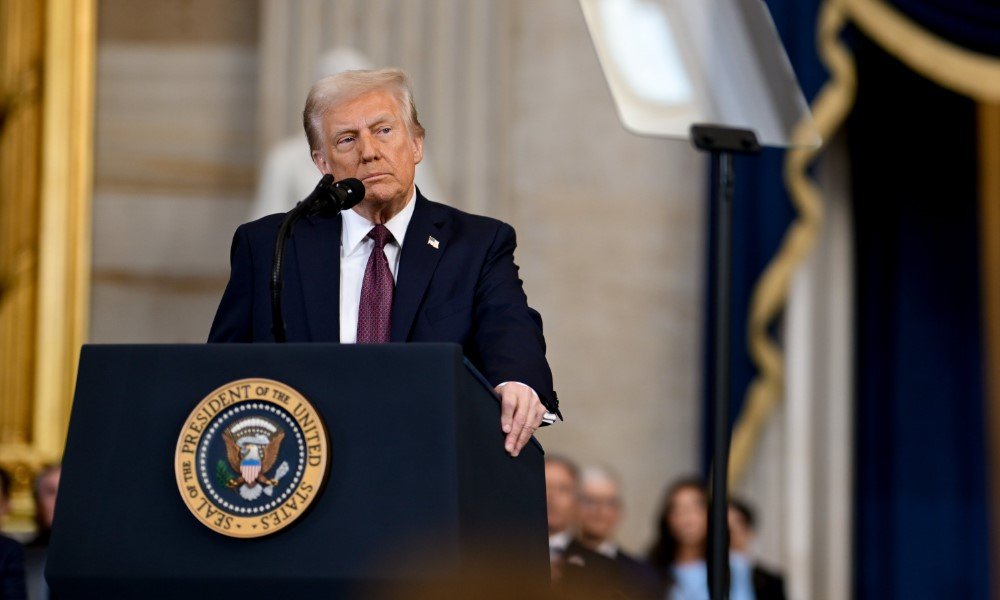
President Donald Trump positioned the plan as part of a broader industrial revival. “We will soon revitalize our once‑great shipyards with hundreds of billions of dollars in new investments and people coming from all around the world…to build ships in America,” he wrote in the plan’s introduction. “We want them built in America.”
The proposal alarmed carriers and trade partners, who warned the fee would raise landed costs, alter routing economics and invite retaliatory measures.
The MAP also outlined bridge strategies – allowing some initial foreign yard construction tied to parallel US investments – and flagged use of Title XI and Capital Construction Funds to mobilise private and foreign capital.
These are only proposals; no timelines or concrete plans for execution exist yet.