Greek bulker player M/Maritime crosses into boxshi...
2 hours ago

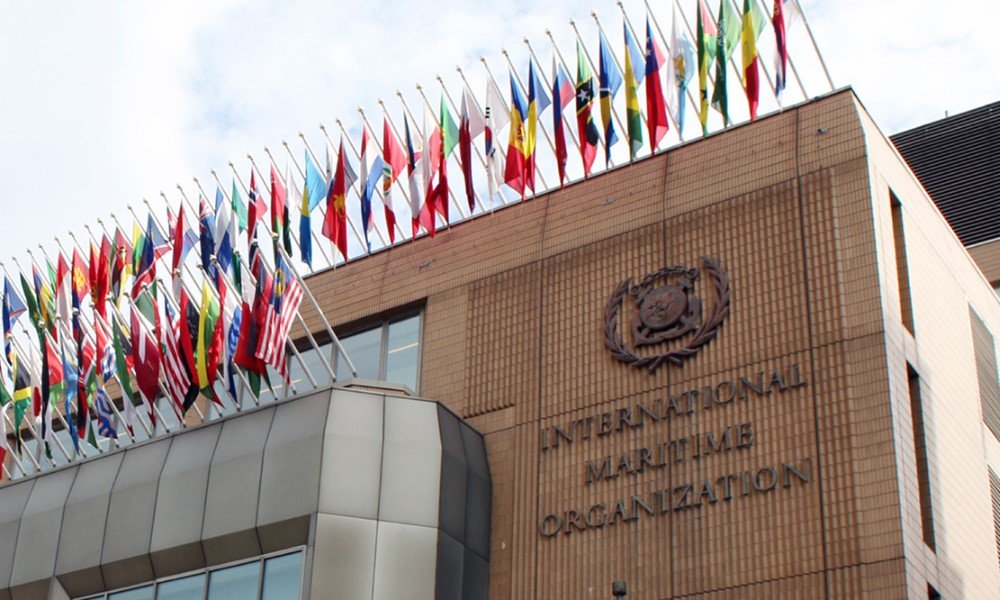
One of shipping’s most consequential regulatory gatherings gets underway in London on Monday, with the future of the world’s first global carbon pricing mechanism on any industry hanging in the balance.
The 84th session of the Marine Environment Protection Committee (MEPC) runs from April 27 to May 1 at IMO headquarters, and the stakes could scarcely be higher.
The meeting follows a week of technical negotiations at ISWG-GHG-21, where delegates have spent the past few days working through the implementation details of the Net Zero Framework – the landmark agreement reached in April 2025 that was subsequently blocked from adoption six months later in a bruising vote of 57 in favour and 49 against, after intense pressure from the United States and Saudi Arabia. The IMO now has until November 2026 to revisit adoption.
Despite that fraught backdrop, this week’s working group talks offered cautious grounds for optimism. Some 62 countries participated constructively in developing the framework’s guidelines, with 39 engaging specifically on the collection and distribution of the $10-12bn in annual revenues that a carbon price would generate. Notably, several of those countries had either voted for the delay in October or abstained – suggesting that the coalition in favour of the framework may be quietly holding together, and in some quarters even growing.
Only four states explicitly refused to engage on carbon pricing-related topics – a figure that some delegates have interpreted as a quiet act of defiance against Washington and the petrostates working to dismantle the agreement. That opposition remains formidable, however.
Japan has proposed scrapping the carbon price element entirely, a move critics say would strip the framework of the revenue mechanism that developing and vulnerable nations regard as non-negotiable. A bloc of largely oil-producing states – including Saudi Arabia, the UAE, Russia and Argentina – wants the carbon pricing removed and the agreed fossil fuel phase-out limits weakened. The United States rejects the framework altogether.
The political fight begins in earnest next week, and the major shipping bodies are watching anxiously. A joint statement from BIMCO, ICS, INTERCARGO, INTERTANKO, INTERFERRY, CLIA and the World Shipping Council has called on member states to find a globally agreed path forward, warning against the proliferation of regional and national schemes that could result in ships facing multiple penalties for the same emissions.
The industry has invested billions in alternative fuels and technology, they noted, and urgently needs the regulatory certainty that only a credible IMO framework can provide.
A separate coalition representing some of the world’s largest flag registries – including Liberia, Panama and the Marshall Islands – along with classification societies Bureau Veritas and RINA, and a raft of prominent shipowners, struck a somewhat different note. While reaffirming commitment to decarbonisation and to the IMO as global regulator, the group called on member states to give serious consideration to alternative proposals, reflecting concern that support for the framework in its current form has been eroding.
The NGO community is less equivocal. Em Fenton of Opportunity Green described this week’s negotiations as encouraging and productive, but warned that the political stakes next week are considerably higher. “A united, ambitious EU standing behind this framework will be crucial in the face of anticipated geopolitical hostility,” she said. The Clean Shipping Coalition’s Delaine McCullough echoed that view, welcoming the engagement but urging member states to “hold the line against those looking to once again disrupt and delay.”
Next week in London will go a long way to deciding whether the Net Zero Framework survives – or becomes another casualty of geopolitical headwinds reshaping the rules-based international order. Splash will be bringing readers updates through the week.