Freight Market Report 11/03-2026 Presented By IC S...
4 hours ago

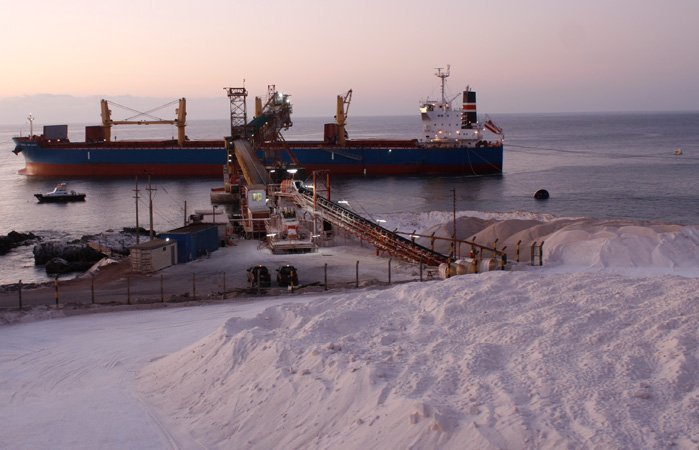
Global seaborne shipments of salt have started 2026 strongly, with rising exports from Egypt pushing cargo volumes to the highest levels seen in years, according to analysis from Ursa Shipbrokers.
Data compiled from vessel tracking provider AXSMarine shows around 13.5m tonnes of salt were loaded onto bulkers worldwide in January and February. The figure is up from 11.4m tonnes during the same period last year, marking a year-on-year increase of about 19%, the Piraeus-based outfit said.
Salt is typically classified as a minor bulk commodity, but it plays an important role as a key raw material in the production of chlorine and caustic soda. Over the past decade, the trade has expanded steadily, with annual volumes rising from 38.5m tonnes in 2016 to a record 58.4m tonnes in 2025.
The latest growth has been driven largely by exports from Egypt, Ursa noted. Shipments from ports including Alexandria, Damietta, El-Arish, Gargoub and Port Said reached 2.9m tonnes in the first two months of the year, more than doubling compared with the same period in 2025.
On the vessel side, supramax bulkers continue to carry the largest share of the trade, accounting for roughly a quarter of global salt shipments. Handysize ships make up another 23% while ultramaxes take about 17%, reflecting the geared fleet’s dominance in this commodity.
The steady rise in salt shipments has provided additional support for the geared bulker segments, with total port loadings across handies to ultramaxes up about 8% year on year in the early months of 2026.
Ursa added that strong demand in the US has also helped lift the trade. Salt discharges there reached a January–February record of about 4.2m tonnes, a jump of roughly 62% year on year. Analysts suggest the increase may be linked to severe winter weather, including the late-January storm Fern, which likely boosted demand for imported de-icing salt.
Historically, Australia, India, Chile and Mexico have dominated global salt exports, with the US, China, Japan, South Korea and Taiwan among the main importing markets. However, the sharp rise in shipments from North Africa has reshaped trade flows at the start of this year.