Flex LNG secures multi-year charter deal with ‘sup...
16 hours ago

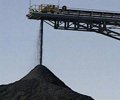
At a time when the West Asia war has raised the spectre of a serious energy crisis, India proposes to turn towards coal gasification as an additional source of fuel.
Minister for Coal and Mines, G. Kishan Reddy, on Sunday highlighted that coal gasification will be pivotal in strengthening India’s energy security, reducing import dependence and supporting industrial growth.
Speaking at an event in New Delhi, he pointed to India’s robust coal reserves, estimated at nearly 400 billion tonnes, among the largest globally, where coal accounts for about 55% of the energy mix and nearly 74% of electricity generation.
On 20 March, India achieved the landmark of one billion tonnes of coal production for the second year in a row, effectively meeting rising energy demands while supporting the power sector in maintaining record-high coal stock levels at coal-based thermal power plants, said the Coal Ministry.
Coal gasification spans multiple sectors including power, oil and gas and fertilisers, he pointed out.
India’s annual coal demand is currently pegged at around one billion tonnes, which is expected to rise significantly by 2047.
Describing coal gasification as a key transformative technology, Reddy explained that it converts coal into syngas which can be further used to produce cleaner fuels, chemicals, fertilisers, and hydrogen.
India’s dependence on imports, approximately 83% of crude oil, 50% of natural gas, and over 90% of methanol and fertilisers, makes energy security a strategic priority, said Reddy.
He said the government has launched the National Coal Gasification Mission with a target of 100 million tonnes of gasification by 2030. An incentive framework of Rs 8,500 crore has been introduced to support public and private sector projects, with several large-scale initiatives already underway and investments exceeding Rs 64,000 crore in the pipeline.
Advanced technologies such as underground coal gasification were also highlighted for their potential to tap previously inaccessible reserves while reducing environmental impact.
Source: The Business Standard