Corn Hovers Around $4.3 | Hellenic Shipping News W...
1 hour ago

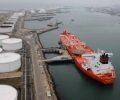
A new analysis indicates that Russia continues to ship more crude oil than it did before the 2022 invasion of Ukraine, even though overall exports dipped in the past year.
According to researchers, the total volume of shipments in the fourth year of the conflict still stands about six percent higher than pre-war figures. This comes in spite of sanctions imposed by Western nations aimed at restricting Moscow’s energy trade.
The findings, published by Finland-based think tank Centre for Research on Energy and Clean Air (CREA), suggest that enforcement gaps have allowed export levels to remain elevated. While measures have targeted shipping networks and trade routes, they have not fully curbed the flow of Russian crude.
Although export volumes remain relatively strong, Russia’s earnings from fossil fuel exports have taken a hit. Analysts note a considerable decline in income, driven largely by discounted pricing. Over the 12 months leading up to February 24, revenues from crude shipments dropped by 18 percent to 85.5 billion euros compared to the previous year.
“We’ve seen a significant drop in Russian fossil fuel export earnings as a result of new measures and greater enforcement,” said Isaac Levi, a CREA analyst and co-author of the report.
At the same time, the total quantity exported fell modestly by six percent, reaching 215 million tonnes during the same period.
A major factor behind continued export volumes is the use of what researchers describe as a “shadow fleet.” These are older tankers with unclear ownership structures, often deployed to bypass restrictions imposed by the European Union, the United States, and G7 countries.
Levi pointed out that enforcement remains incomplete. “There are still significant loopholes and areas that have been unaddressed by sanctioning countries,” he said. Among these gaps are practices such as ships operating under false flags and the re-export of refined fuels produced from Russian crude.
To address this, he suggested tighter rules: “We propose a ban of imports from any refinery or storage terminal that has received a shipment of Russian oil in the previous six months.”
Most Russian crude is now directed toward a small group of countries. China, India, and Turkey together accounted for 93 percent of these exports, underscoring a major shift in trade patterns.
The report also calls for stronger action in Europe. It recommends detaining vessels linked to the shadow fleet, citing environmental and security concerns along European and UK coastlines. Additionally, it highlights continued imports by Hungary and Slovakia — countries exempt from EU restrictions — which increased their intake by 11 percent in the first ten months of 2025 compared to a year earlier.
Source: Moneycontrol (With inputs from AFP)