Soybean Prices Near Multi-Week High on Weak Dollar
1 hour ago

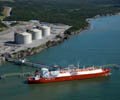
South Korea sees no impact on its pledge to buy $100 billion in US energy products, mainly LNG, officials at the Industry and Resources Ministry said Jan. 27, as US President Donald Trump raised tariffs on Seoul to 25% from 15%.
“We are monitoring the situation in a very close manner to brace for any potential impacts on the energy sector,” an official at the ministry told Platts, part of S&P Global Energy.
Trump on Jan. 26 raised tariffs on South Korea to 25% from 15%, blaming the country’s National Assembly for not approving a trade deal.
“Because the Korean Legislature hasn’t enacted our Historic Trade Agreement, which is their prerogative, I am hereby increasing South Korean TARIFFS on Autos, Lumber, Pharma, and all other Reciprocal TARIFFS, from 15% to 25%,” Trump said on his social media platform, Truth Social.
Minister of Trade, Industry and Resources Kim Jung-kwan, who is currently in Canada, is set to travel to Washington for talks on the matter, with a meeting with US Commerce Secretary Howard Lutnick being arranged, according to the ministry.
The Ministry of Economy and Finance also issued a statement, saying the government will closely communicate with Washington over the US move and the ongoing legislative progress on a special bill to support Seoul’s investment plans in the US.
President Lee Jae-myung’s office said it has not received any official notice or explanation from the US over Trump’s tariff hike announcement.
The Presidential Office said it plans to convene an emergency interagency meeting Jan. 27 to discuss how to respond.
US tariffs
The US and South Korea reached a trade deal on July 30, 2025, that set a 15% tariff on all imports to the US. South Korea initially faced a 25% tariff when Trump first announced country-specific tariff rates on April 2.
The deal, finalized on Oct. 29, included $350 billion in investments by South Korea in the US and a $100 billion purchase of LNG and other energy products over the next four years.
While announcing the deal, Trump said South Korea would be open to trade with the US and would accept American imports of cars, trucks, and agricultural products.
Meanwhile, Glenfarne Group has finalized a strategic partnership with South Korean company POSCO International, including a 20-year deal to supply LNG from the Glenfarne Alaska LNG project, it said in a statement Dec. 4.
Source: Platts