US DFC $20b plan for maritime reinsurance in Gulf ...
21 hours ago

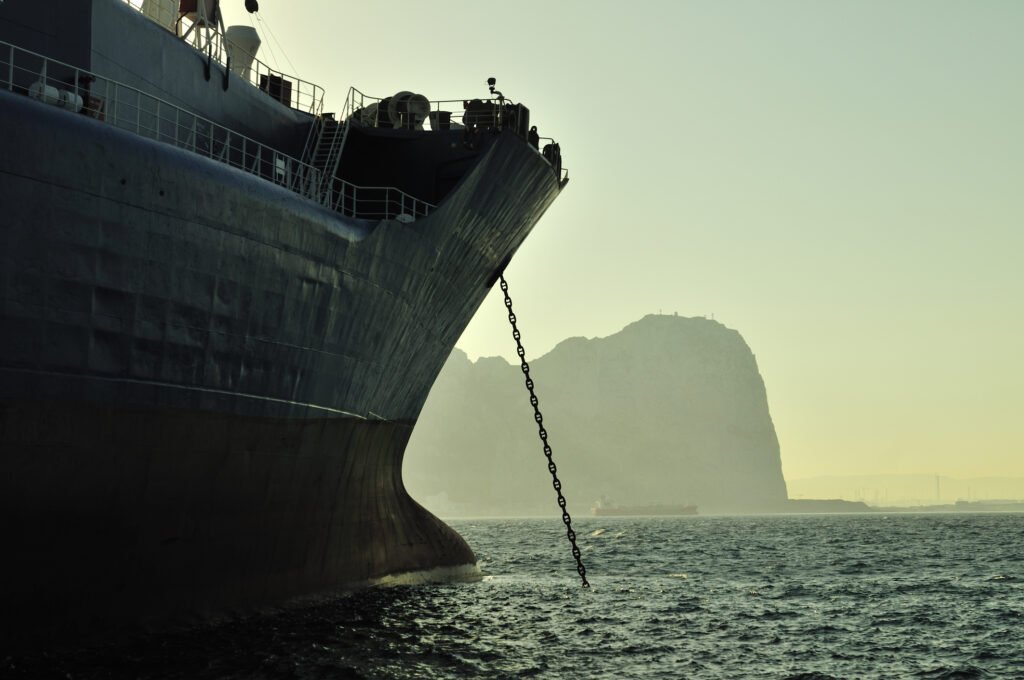
Thousands of seafarers are trapped on tankers in the Gulf after recent attacks on merchant vessels in the Strait of Hormuz.
The secretary-general of the International Maritime Organization (IMO), Arsenio Dominguez, voiced deep concern over escalating security incidents in the Strait of Hormuz, following reports of attacks on merchant vessels that left at least four seafarers dead and three others severely injured.
Around 20,000 seafarers remain stranded in the Persian Gulf, on board ships under heightened risk and considerable mental strain.
A tug operating approximately 18 nautical miles northeast of Khasab, Oman, was reportedly struck on March 5 by two missiles while attempting to tow an abandoned merchant vessel that had previously been hit. According to Maritime AI™ company Windward, the merchant vessel had been adrift following an earlier strike and abandoned by its crew. The status of the tug and its crew has not yet been confirmed.
At the same time, the electronic environment around Gulf shipping lanes degraded sharply.
Windward detected more than 1,100 vessels affected by GPS and AIS interference within the first 24 hours following the U.S. and Israel launch of Operation Epic Fury on February 28 against Iranian military targets.
The operation triggered immediate disruption across maritime chokepoints in the Gulf. Commercial tanker traffic through the Strait of Hormuz collapsed as strikes, threats, and insurance withdrawal drove operators out of the corridor.
Tankers and LNG carriers paused voyages or reversed course before entering the Strait, while routing decisions, vessel visibility, and navigational reliability across the region began shifting sharply.
Seafarers must not be targets, said Dominguez after seafarer fatalities reported in the Middle East.
“I am alarmed and deeply saddened to hear of a deadly attack on a vessel in the Strait of Hormuz on 6 March 2026, in which at least four seafarers have reportedly lost their lives and three severely injured. My thoughts are with the families and loved ones of those affected, as well as the global maritime community mourning these losses,” Dominguez said in a statement.
The casualties on March 6 follow reports of two seafarer fatalities and one missing seafarer in earlier incidents in the region.
The insurance market’s response further accelerated the halt in traffic.
Following the strikes, several marine insurers issued notices cancelling war risk coverage for ships operating in Iran and Persian/Arabian Gulf. War risk cover will be excluded in Iran and Iranian waters including coastal waters up to 12 nautical miles offshore, as well as the Persian/Arabian Gulf and adjacent waters, according to the notices.
Around 20,000 seafarers, along with cruise ship passengers, port workers and offshore crews, are impacted in the region.
“This is unacceptable and unsustainable,” Dominguez said. “All parties and stakeholders have an obligation to take necessary measures to ensure the protection of seafarers, including their rights and well-being, and the freedom of navigation, in accordance with international law.”