GPA’s Gainesville Inland Port set for May opening...
10 minutes ago

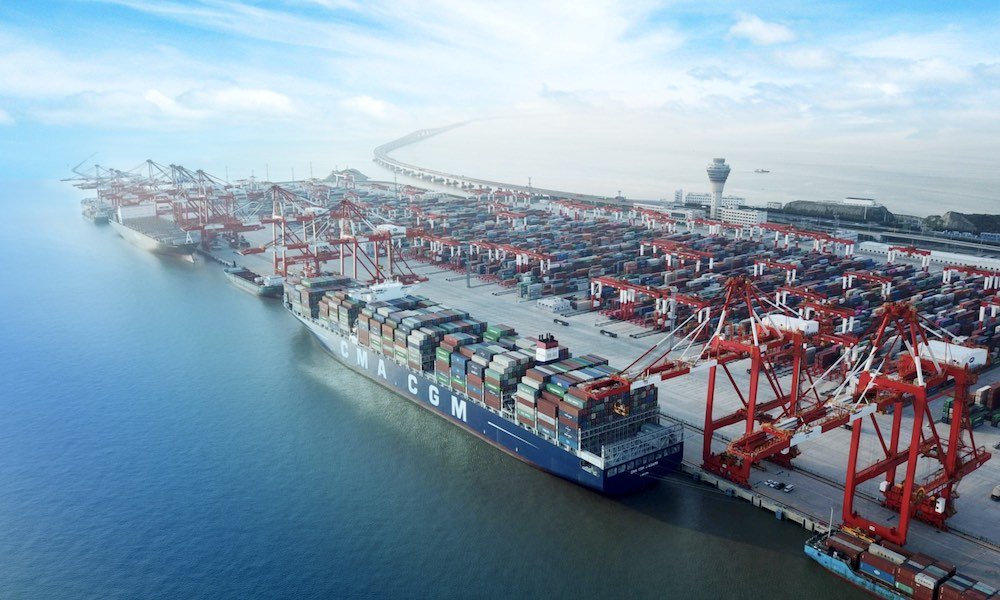
The podium among global boxports remains the same going into 2026, with the three top Asian hubs reporting swelling container traffic in 2025 despite the cloudier global trading conditions.
Shanghai International Port Group (SIPG) has reported a record-breaking 55.06m teu in throughput for 2025, a 6.9% annual increase in throughput, ensuring it retains its crown as the world’s largest container port for a 16th straight year.
SIPG pointed towards “complex and volatile global trade conditions” and “extreme weather events” as challenges it faced over the past 12 months.
In second spot, Singapore celebrated a record throughput of its own last year, moving a total of 44.66 m teu, up 8.6% year-on-year.
Ong Kim Pong, group CEO of PSA International, the country’s top port operator, commented today, “Amid shifting global trade patterns and evolving industry dynamics, effective coordination and connectivity across ports and supply chain nodes have never been more critical.”
In bronze on the container podium, Ningbo-Zhoushan port handled 43m teu in 2025. The port is the world’s largest overall, handling more than 1.4bn tonnes last year.
Beyond plain throughput numbers, other metrics are increasingly being used to measure a container port’s success.
Last November, for instance, DNV and Menon Economics crowned Singapore as the world’s leading container port in the first edition of the Leading Container Ports of the World (LCP) report to go alongside many other maritime hub accolades the Southeast Asian nation has been bestowed with this year. Shanghai and Ningbo-Zhoushan followed in second and third place
The LCP report benchmarks 160 ports against 35 indicators grouped into five pillars: enablers, connectivity and customer value, productivity, sustainability, and overall impact. These indicators are based on objective data, such as throughput volumes, berth productivity, emissions per teu, and alternative fuel availability.
Meanwhile, the fifth edition of the World Bank’s Container Port Performance Index (CPPI), published last September in association with S&P Global, focuses more on total vessel time in port. In that report, Shanghai came out on top with Singapore not registering in the top 10.