FUJAIRAH DATA: Oil product stocks fall to near rec...
2 hours ago

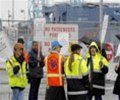
Although the seven-day transporters’ strike ended on December 17, the cargo movement at ports didn’t return to normal, descending into chaos that has exposed a crisis far deeper than any protest.
As pent-up cargo movement flooded the city’s roads, the infrastructure buckled. What industry insiders witnessed wasn’t just post-strike congestion; it was the systemic collapse of a trade gateway strangling Pakistan’s economy. “The strike has formally concluded, but the transportation and delivery system remains under severe strain,” said Sheikh Waqas Anjum, General Secretary of the Karachi Customs Agents Association, describing a normalisation process moving at an “extremely slow pace” days after the strike ended on December 17.
What emerged from the chaos weren’t just traffic jams—it was a portrait of institutional failure.
While the customs department kept clearance operations running and terminals continued handling containers, the physical movement of goods ground nearly to a halt in areas like Gulbai, Mauripur, and around terminal zones, KCAA general secretary said.
The crisis has thrown a spotlight on Pakistan’s largest terminal – SAPT, where access depends on a single road serving container trucks, residential traffic, public transport, and heavy trailers simultaneously.
The KICT terminal area, meanwhile, operates with what he described as “extremely poor” roads and no traffic regulation whatsoever—conditions that create severe congestion even during normal operations.
Beyond the infrastructure failures, the strike’s economic ripple effects continue to compound. Freight rates have exploded, with routes previously costing PKR 20,000–30,000 now commanding PKR 50,000–60,000—effective increases of up to 200 percent that are being passed directly to consumers through higher prices, KCAA general secretary confirmed.
Traders are simultaneously absorbing demurrage and detention charges from delayed container movements, creating what he termed as an “unexpected and additional financial burden” that significantly increasing the cost of doing business across the board.
Perhaps most troubling is the recurring nature of the crisis, marking the second major transport strike in Karachi within a single year—a pattern KCAA general secretary attributed to “a lack of effective communication between the government and the transport sector” and chronic failure to consult stakeholders before implementing policy changes, pointing to an absence of institutional mechanisms for pre-empting conflicts that predictably cost Pakistan “millions of dollars” each time they erupt.
He urged the authorities for constituting a consultative committee, comprising government officials, KCAA, FPCCI, trading chambers, and transporters representatives to resolve disputes amicably before they escalate.
While the immediate strike may have ended through negotiation, its aftermath has laid bare a more intractable problem: Karachi’s port infrastructure appears fundamentally inadequate for the volume of trade it must handle.
Without addressing these structural deficiencies, KCAA general secretary warned, even perfect labour relations won’t prevent the kind of paralysis that sends shockwaves through Pakistan’s economy and ultimately lands on consumers in the form of higher inflation.
Source: Business Recorder