Rail operators take a unique step towards closer c...
4 hours ago

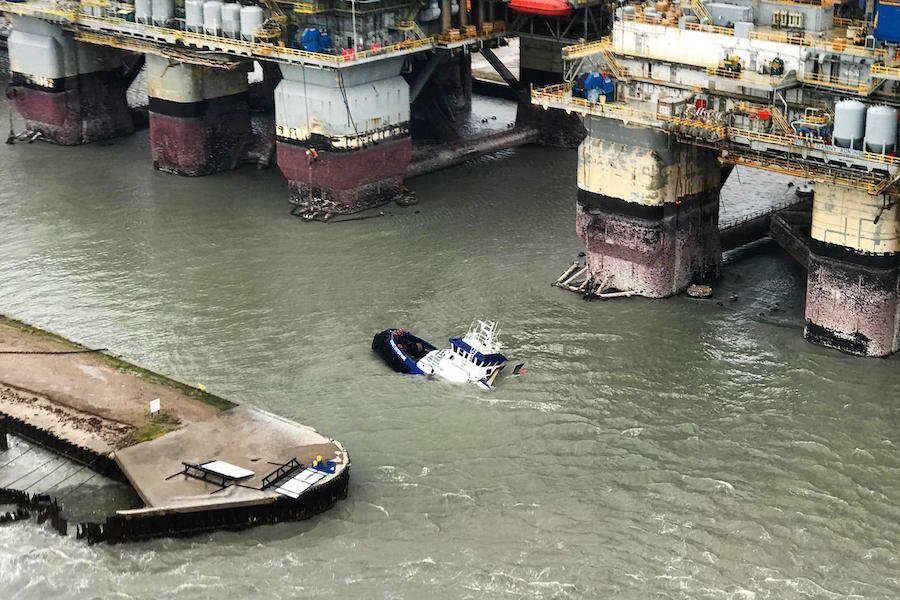
More frequent and severe weather events are placing growing strain on port infrastructure. Due to their role in facilitating global trade and economic health, disruption at a single gateway can quickly reverberate across international trade and supply networks, meaning ports cannot respond in isolation. Coordinated action between port authorities, governments and the private sector is now essential. Dr Darshana Godaliyadde, director of Resilience4Ports at the International Coalition for Sustainable Infrastructure (ICSI), sets out practical steps port authorities can take to strengthen collaboration and enhance resilience.
Rising global temperatures are rapidly changing the climate, fuelling extreme storms, increasing the frequency and severity of flooding, and triggering sea-level rise. To adapt to these challenges, ports must embed operational measures and adaptive infrastructure. This includes adopting scenario planning frameworks with peer ports, and sharing data, case studies and implementation experience through formal reporting and sector forums. While any level of adaptation is a step in the right direction, treating this as a ‘one-and-done’ solution is the wrong approach; climate risks are unpredictable and so ports must revisit climate risk assessments (CRAs) and continuously monitor resilience measures.
CRAs are an evaluation framework designed to help ports identify, understand and prioritise risks related to climate change. Port authorities should regularly return to and refresh CRAs to reflect the latest data, observed impacts and projections. Any infrastructure improvements should change accordingly to stay effective over time.
While CRAs cannot prevent climate change, they are critical for making sure that mitigation and adaptation efforts are implemented in a mutually reinforcing and benefitting way. Resilience must be integrated into ports’ decarbonisation and energy transition strategies, with adaptation on an equal footing to mitigation.
Some of the ports supported by Resilience4Ports (R4P) – a programme led by the International Coalition for Sustainable Infrastructure (ICSI), with core support from the UN High Level Climate Champions and Lloyd’s Register Foundation – have indicated individual, local-level action. For example, some have already begun to use renewable energy sources such as wind and solar, as well as use them to produce shore power to vessels at berth. This enables ships to turn off diesel generators, lowering emissions and improving local air quality.
By adhering to flexible and foresighted CRAs, port infrastructure can more efficiently keep up with the unpredictable impacts of climate change.
Change on the big stage
To truly remain effective, port resilience plans also need to align with national adaptation strategies. Key port stakeholders can work with insurers, banks and investors to factor climate risk into pricing structures, disclosure standards and lending terms, encouraging investment that supports agreed resilience measures.
Accessing finance is a continuous challenge for developing ports, particularly those in highly vulnerable regions. However, structured CRAs are a key enabler rather than a barrier to financing.
By clearly identifying vulnerabilities, risks, and priority adaptation measures, CRAs bolster the investment case for support from multilateral development banks, climate funds, and through blended finance mechanisms, many of which are outlined in the CRA guidance, which was collated by R4P.
Climate resilience in ports is fundamentally a shared responsibility between port authorities, policymakers and the private sector. Ports should look to collaborate with terminal operators, shipping lines, cargo owners and logistics providers to address supply chain vulnerabilities.
Policymakers act as a key driver and leader in establishing clear and coherent regulatory frameworks, integrating climate risk considerations into spatial planning, permitting, and infrastructure standards, and providing the long-term policy certainty needed to unlock investment in resilience.
Engaging with local communities and authorities is vital to port leadership and key stakeholders being able to ensure that infrastructure improvements contribute to broader economic stability and social resilience. As part of this, it is imperative that they make clear commitments to well-established networks such as R4P.