Fragmented Carbon Schemes Threaten Maritime Progre...
2 days ago

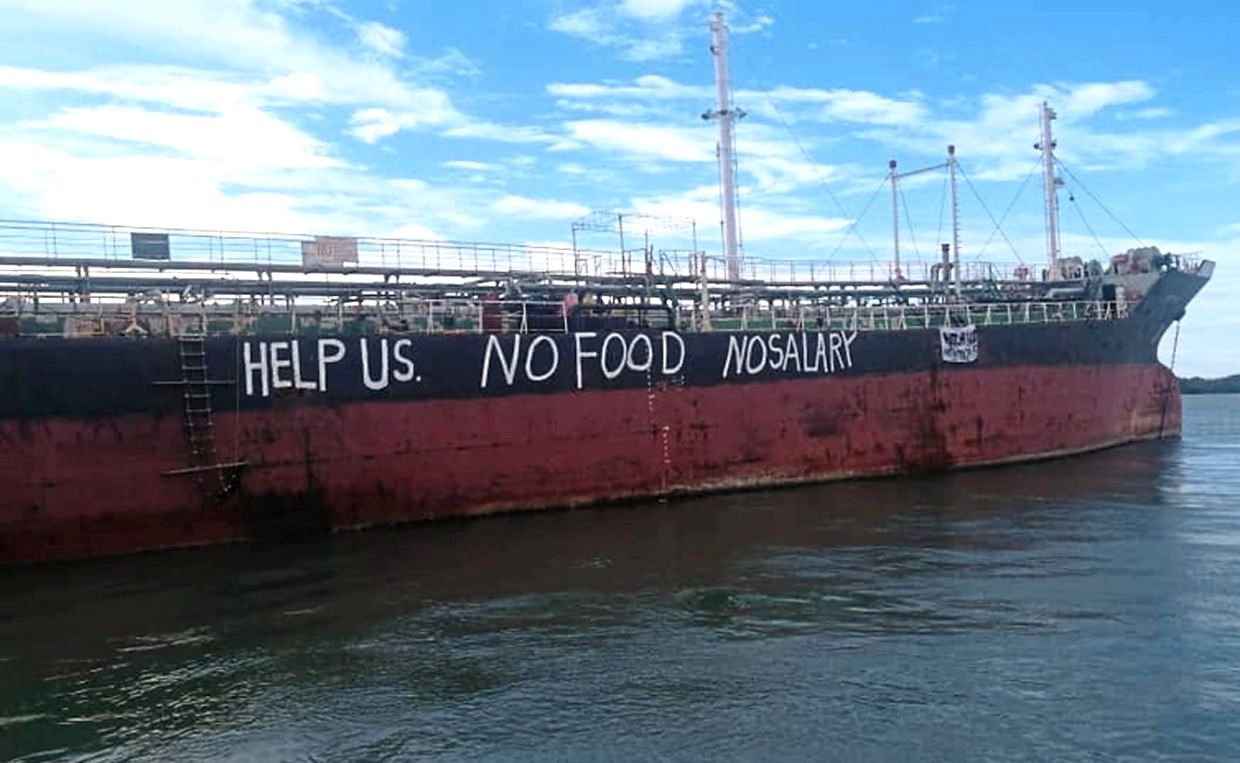
New figures released this week by the International Transport Workers’ Federation (ITF) reveal yet another disturbing surge in the abandonment of seafarers worldwide.
Over 2,280 seafarers have been abandoned aboard 222 vessels so far this year – with $13.1m in unpaid wages and a 30% year-on-year increase in cases. By comparison, at this point in 2024, already the worst year on record for seafarer abandonment, there had been 172 cases involving 1,838 seafarers and $11.5 million in unpaid wages.
37% of all abandonment cases in 2025 have occurred in the Arab world – the highest proportion of any region globally. 34% have taken place in Europe, the majority in Turkey, yet to ratify the Maritime Labour Convention – more than double the share of Asia Pacific, the next highest region.
“We are seeing a pattern of abuse that cannot be ignored and that must be confronted,” said Steve Trowsdale, the ITF’s inspectorate coordinator. “In recent years, the Gulf region, and the UAE in particular, has seen a huge increase in seafarer abandonment cases. Both there and in Europe, much more must be done to crack down on the rogue shipowners who need to know there’ll be consequences.
Abandonment has a specific definition under international law, meaning many of the cases involve seafarers being denied pay for two months or more, or being left stranded, or left without food or medical support.
Vessels registered under flag of convenience states, such as St. Kitts & Nevis (26), Tanzania (26) and Comoros (18) dominate the abandonment lists.
“These flags offer owners anonymity, deregulation and immunity from scrutiny – at the direct expense of seafarer rights,” the ITF stated in a release.
Nearly 75% of abandoned vessels in 2025 so far are under FOCs. These flag states routinely fail to enforce international obligations or pursue shipowners who dump their responsibilities at the first sign of financial trouble.
“The flags of convenience system is parasitic on the maritime industry,” added Trowsdale. “It allows shipowners to hide behind paper jurisdictions while seafarers are left abandoned on rusting hulls. And when countries enable these crimes by looking the other way – or worse, profiting from them – they become complicit.”
The ITF is calling on international regulators, port states, and the International Maritime Organization to take urgent action.
A lack of enforcement and responsiveness from flag and port states, the absence of adequate insurance for vessels, and shipowners refusing to accept responsibility for crew welfare are common factors that contribute to abandonment – and make it harder to resolve.
“There must be accountability. If we allow this exploitation to continue, we destroy the very workforce global trade depends on,” Trowsdale concluded.